Denver is working to replace its patchwork of pandemic-era emergency shelters with a permanent, citywide system for families experiencing homelessness, signaling a shift from crisis response to long-term infrastructure.
The city's Department of Housing Stability (HOST) is looking for nonprofit partners to run three interconnected programs: 24/7 non-congregate shelters offering private rooms at privately-owned facilities, 24/7 emergency congregate and semi-congregate shelters for families with nowhere to go, and a centralized Family Intake and Access Center that would serve as the single entry point for families seeking shelter or housing help. The full solicitation is posted on HOST's application portal.
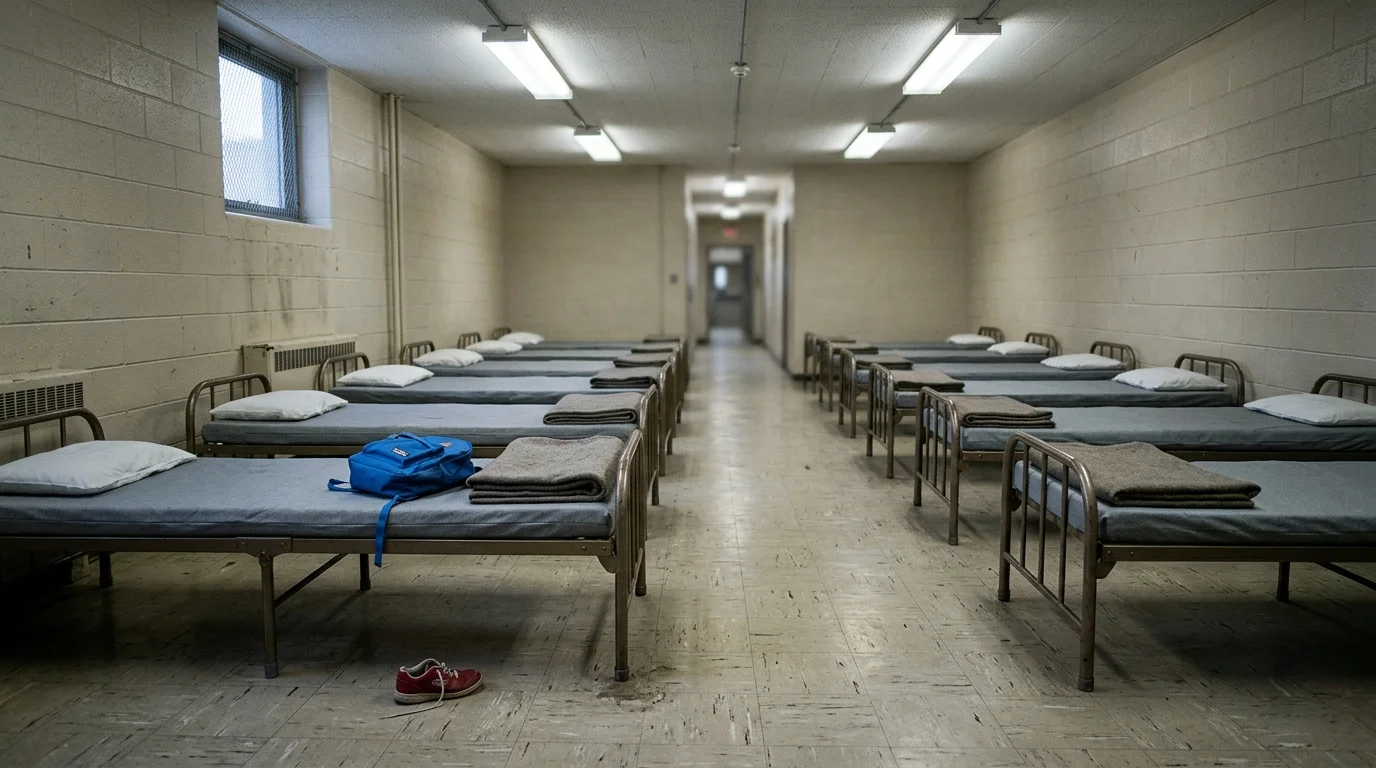
The three-program structure reflects both federal guidance and hard lessons from the COVID-19 era. Non-congregate shelters, which give families private space rather than open dormitory floors, emerged during the pandemic as a higher-performing model: families stayed longer, engaged more consistently with services, and moved into stable housing faster. Denver, like many cities, is now trying to make that model permanent rather than let it lapse with emergency funding.
The timing matters. Denver spent more than $45 million in emergency federal funds on temporary shelters, hotel placements, and micro-communities during Mayor Mike Johnston's first year in office, which began in mid-2023. But those pandemic-era dollars, including ARPA funds and Emergency Solutions Grants, are expiring. The city now faces pressure to sustain its shelter capacity using its own general fund, a politically sensitive proposition as Denver grapples with broader budget constraints.
The need is not shrinking. Denver's 2024 Point-in-Time homeless count showed a significant increase in people without shelter, with families representing one of the fastest-growing and most vulnerable segments. Denver Public Schools has reported thousands of students living in unstable housing situations. And while the city drew national attention for its response to a large influx of Venezuelan migrants beginning in late 2022, family homelessness here predates that wave, rooted in a decade of rising rents and stagnant wages for lower-income residents.
HOST, created in 2020 to consolidate the city's scattered housing and homelessness functions, is operating all three programs under a housing-first framework: low barriers to entry, no sobriety requirements, and a focus on moving families quickly into supportive or permanent housing rather than cycling them through emergency beds indefinitely.
The centralized intake center component is particularly notable. Rather than leaving families to navigate a fragmented network of agencies, it would function as a single front door, a model the U.S. Department of Housing and Urban Development has pushed cities to adopt as a condition of federal funding.
Established Denver providers including the Colorado Coalition for the Homeless, Denver Rescue Mission, Volunteers of America, and Family Tree are expected to compete for contracts. Organizations may apply for one, two, or all three programs. Applications are due by 5 p.m. on May 14.