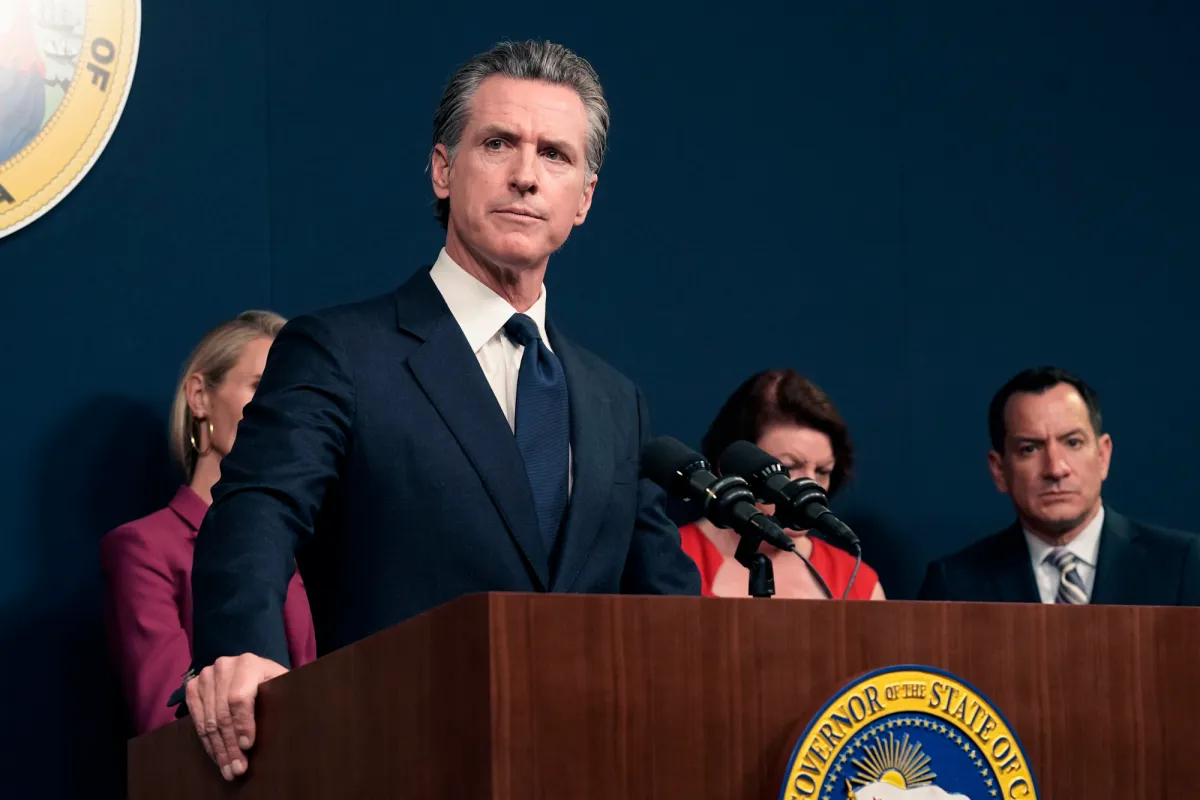
When Robert F. Kennedy Jr. fired CDC Director Susan Monarez, her own lawyers charging it amounted to "the dangerous politicization of science," California Governor Gavin Newsom didn't wait for the dust to settle. He hired her.
Within days, Newsom also brought on Debra Houry, the CDC's former chief science and medical officer, who had resigned in protest within hours of Monarez's dismissal. The message was deliberate: the expertise being purged from Washington would find a home on the West Coast.
But Newsom wasn't finished. Joining forces with the Democratic governors of Oregon, Washington, and Hawaii, he launched the West Coast Health Alliance, a regional bulwark against what the governors openly called the Trump administration's destruction of the CDC's scientific credibility. The alliance was designed as an independent counterweight as Kennedy accelerated the rollback of national vaccine recommendations, stripping away the institutional guardrails that have guided American public health for decades.
Then California made a move with no precedent in modern American history: it became the first state to formally join a global outbreak response network run by the World Health Organization, the same body President Trump had just abandoned, accusing it of acting against U.S. interests. Illinois and New York quickly followed. Colorado and Wisconsin signaled they were next.
The sequence of events reveals something profound about the fracture lines now running through American governance. States aren't merely criticizing federal health policy. They are replacing it. They are recruiting its exiled scientists, building parallel institutions, and forging alliances with international bodies their own federal government just walked away from.
Whether this represents courageous improvisation or the dangerous fragmentation of a unified national public health system depends entirely on whom you ask. What's undeniable is the urgency driving it. The infrastructure built after decades of hard lessons, from HIV to SARS to COVID, is being dismantled in real time.
Newsom has cast joining the WHO consortium as a matter of outbreak preparedness. The faster California can access global disease surveillance, he argues, the faster it can protect its 40 million residents. What he left unsaid is the darker implication: that in an era of emerging pandemics, California can no longer count on the federal government to warn it in time.