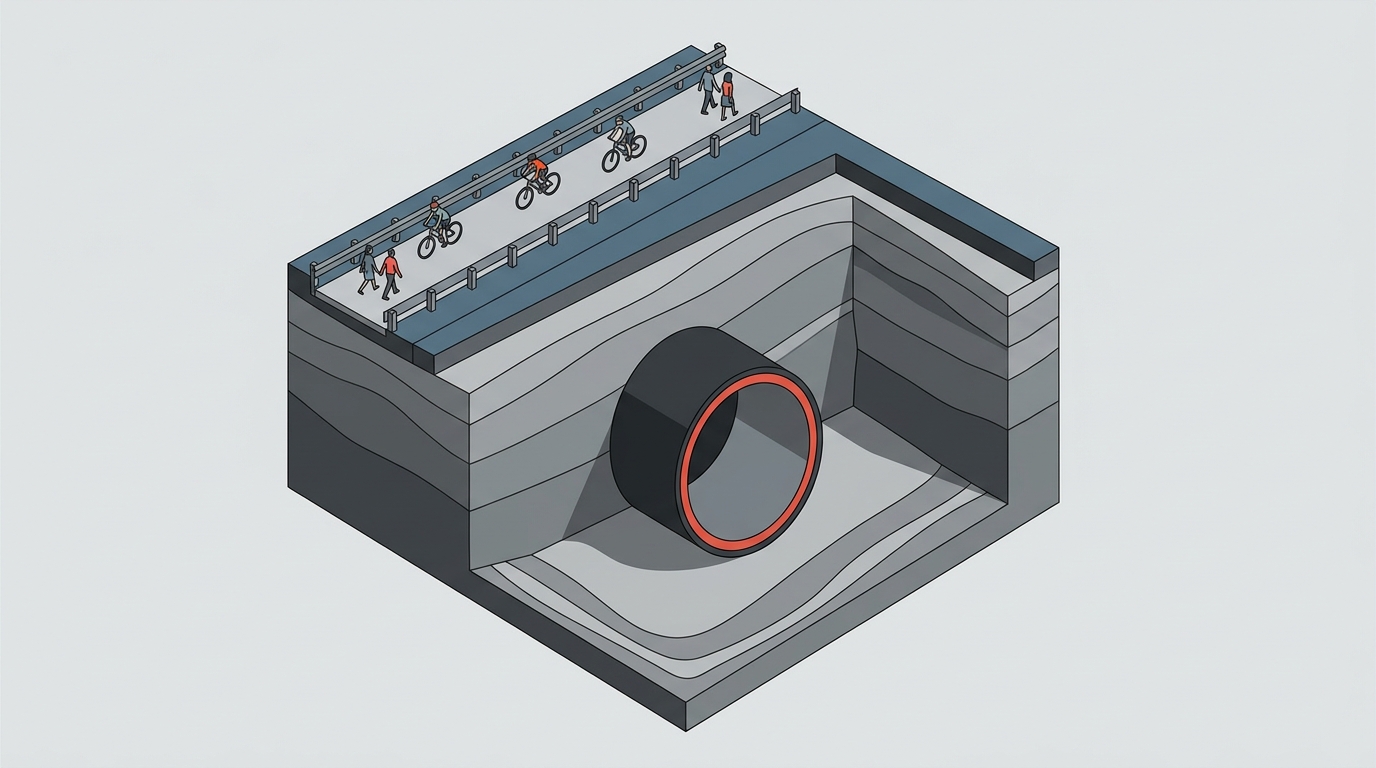
Minneapolis is moving to replace a large water main running beneath the Cedar Lake Trail, one of the city's busiest recreational pathways, as the city works to keep aging underground infrastructure from failing.
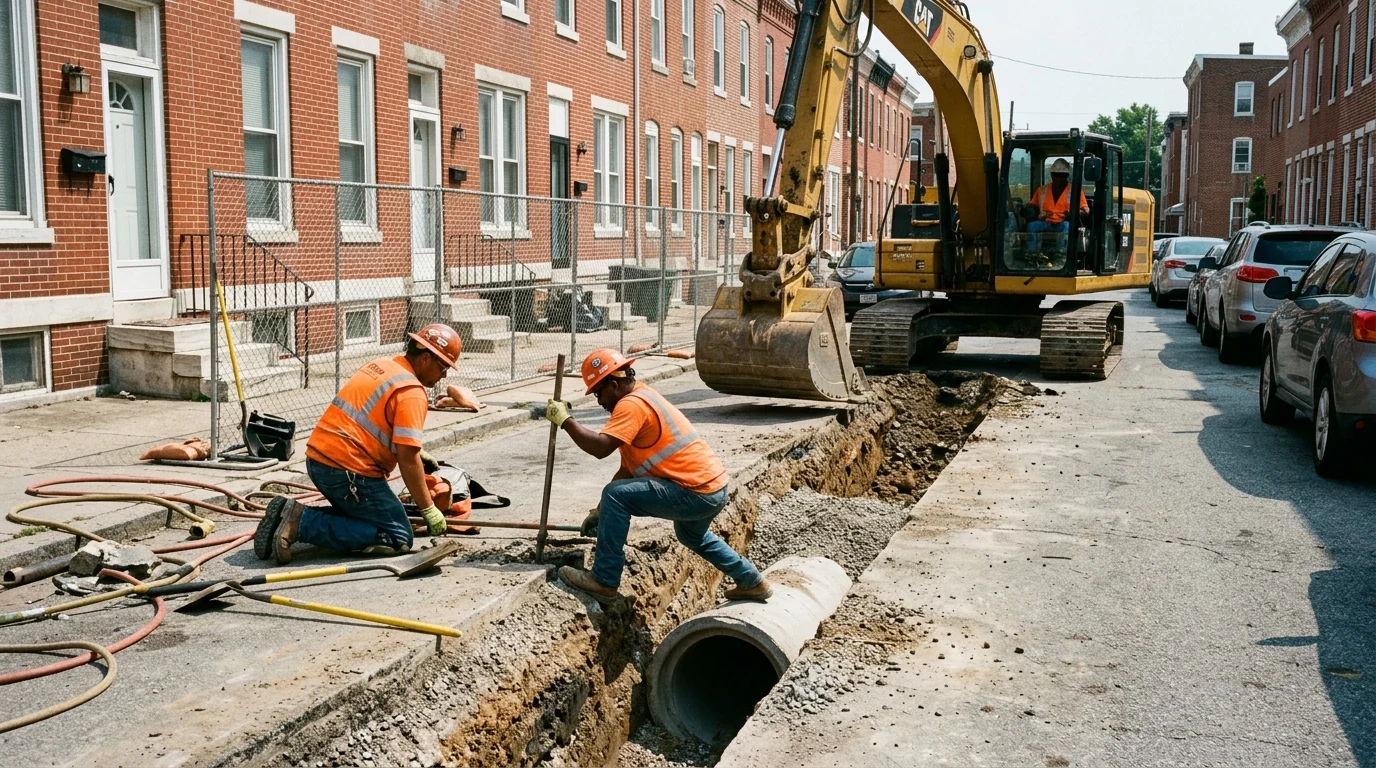
The project involves a 48-inch watermain, a pipe large enough to carry a significant share of water supply through the area. Water mains of that size are considered backbone infrastructure: when they fail, the consequences can include widespread service outages, sinkholes, and costly emergency repairs. Proactive replacement is typically far cheaper than responding to a break.
The Cedar Lake Trail corridor, which connects several Minneapolis neighborhoods and sees heavy use from cyclists and pedestrians year-round, sits above the pipe. Construction work will require careful coordination to minimize disruption to the trail, though the city has not yet released a detailed schedule for closures or detours.
The research brief accompanying this project is limited, and the city has not publicly disclosed the total estimated cost of the construction, the length of pipe being replaced, or a projected completion date. Those details are expected to emerge as the bidding process moves forward and a contractor is selected.
The project is part of a broader pattern of water infrastructure investment in Minneapolis, where much of the buried pipe network dates back decades. The city's water utility has been working through a long-term capital program to address the oldest and highest-risk sections of the system before failures occur.
Once bids are reviewed and a contractor is awarded the work, residents near the Cedar Lake Trail corridor can expect more specific information about construction timing and any trail access impacts.