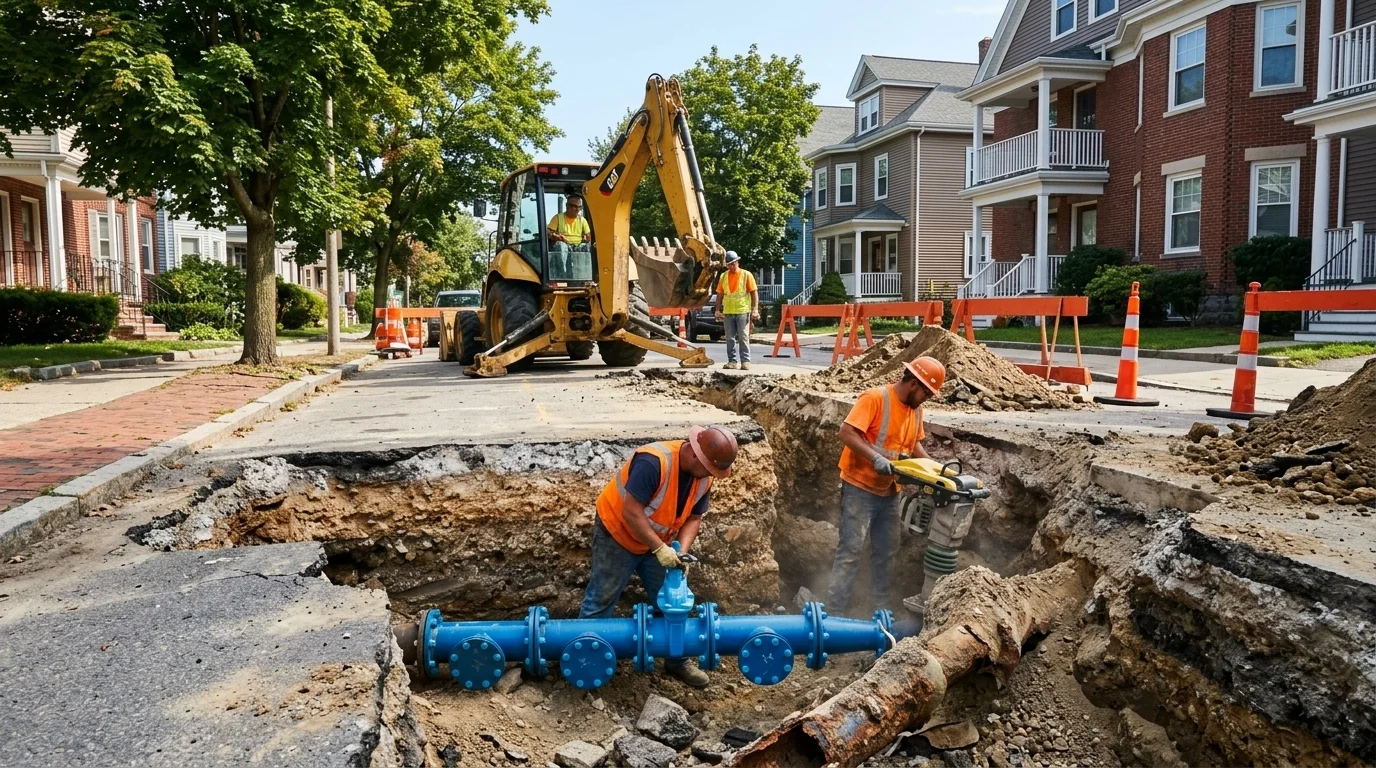
Two Jack Lake, one of the most popular camping and day-use destinations in Banff National Park, Alberta, is getting a major overhaul of its underground utilities, aging water, wastewater, and electrical systems that were built for a fraction of the visitors now streaming through every summer.
Parks Canada has posted a tender for the first phase of the project, covering both design and construction work at Two Jack Lakeside. The designation as Phase 1 signals this is the beginning of a multi-year capital overhaul, with utility upgrades typically laying the groundwork for broader improvements to campsites, accessibility, and visitor amenities.
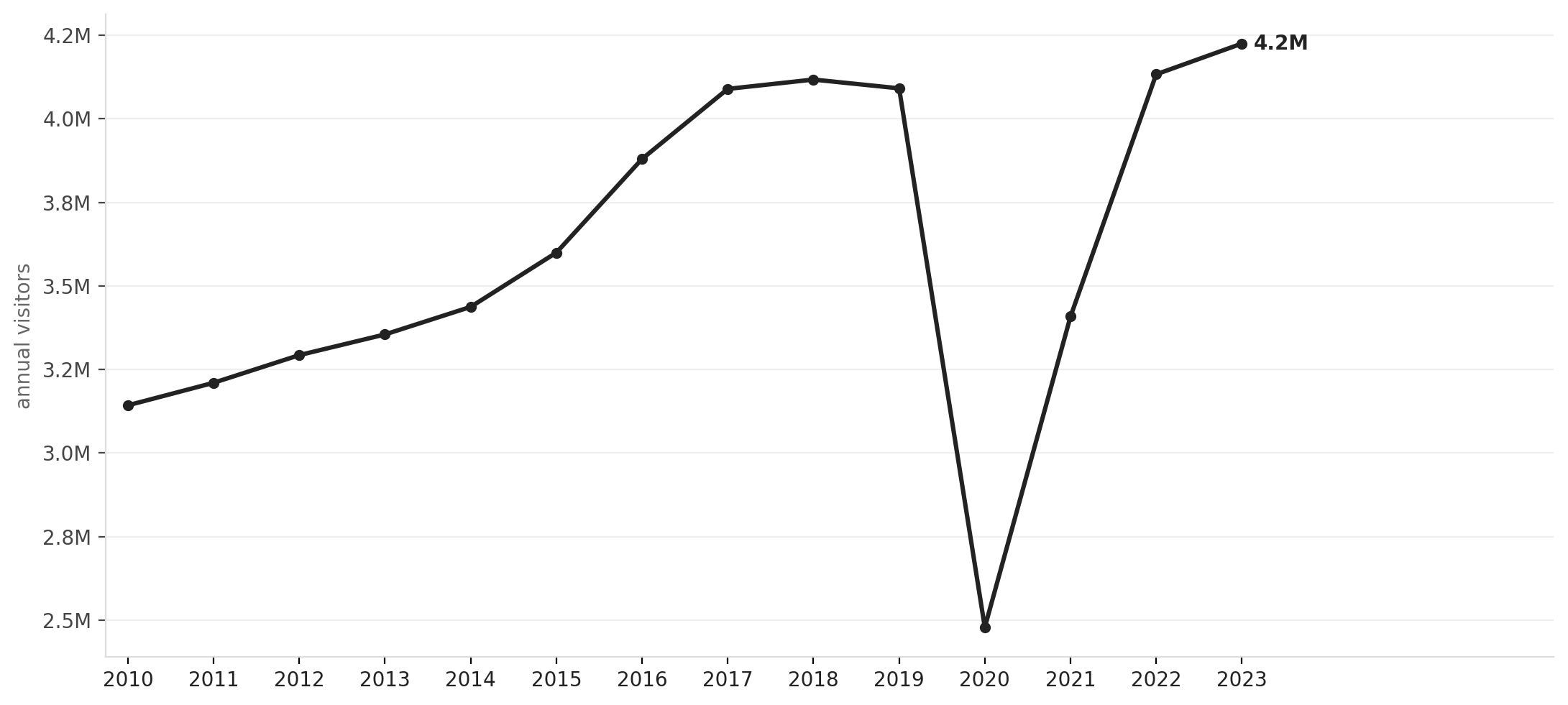
The timing reflects a pressure that has been building for years. Banff draws more than 4 million visitors annually, making it Canada's most-visited national park, and Two Jack Lake sits just minutes from the Town of Banff near the popular Lake Minnewanka corridor. That foot traffic, which surged further after COVID, is straining infrastructure that was designed for far lighter use and, in some cases, has been patching along since the mid-20th century.
Source: NationGraph.
Environmental stakes have also risen. Modern federal and provincial regulations require wastewater systems in national parks to meet strict discharge standards, particularly near sensitive alpine watersheds like the Bow Valley. Failing to upgrade means risking contamination of the pristine waterways that make these landscapes worth visiting in the first place.
The Two Jack project is part of a broader federal reinvestment in national park infrastructure that began around 2015, when the government committed $2.6 billion over five years to address a deferred maintenance backlog that had swelled to an estimated $3.5 billion. Subsequent budgets have continued that funding. Parks Canada manages 48 national parks and more than 170 historic sites, many with infrastructure in similar condition.
Construction in Banff comes with extra constraints: short alpine building seasons, strict environmental assessment requirements, and tight regulations on materials and methods. Those factors have contributed to cost overruns and delays on past Parks Canada projects elsewhere. Whether the Two Jack work stays on schedule will depend in part on how the design phase goes and what crews find once they start digging.