Washington's transit agency is moving forward with one of its most significant bus infrastructure overhauls in decades, backed by a $174.4 million federal transit grant from the Department of Transportation.
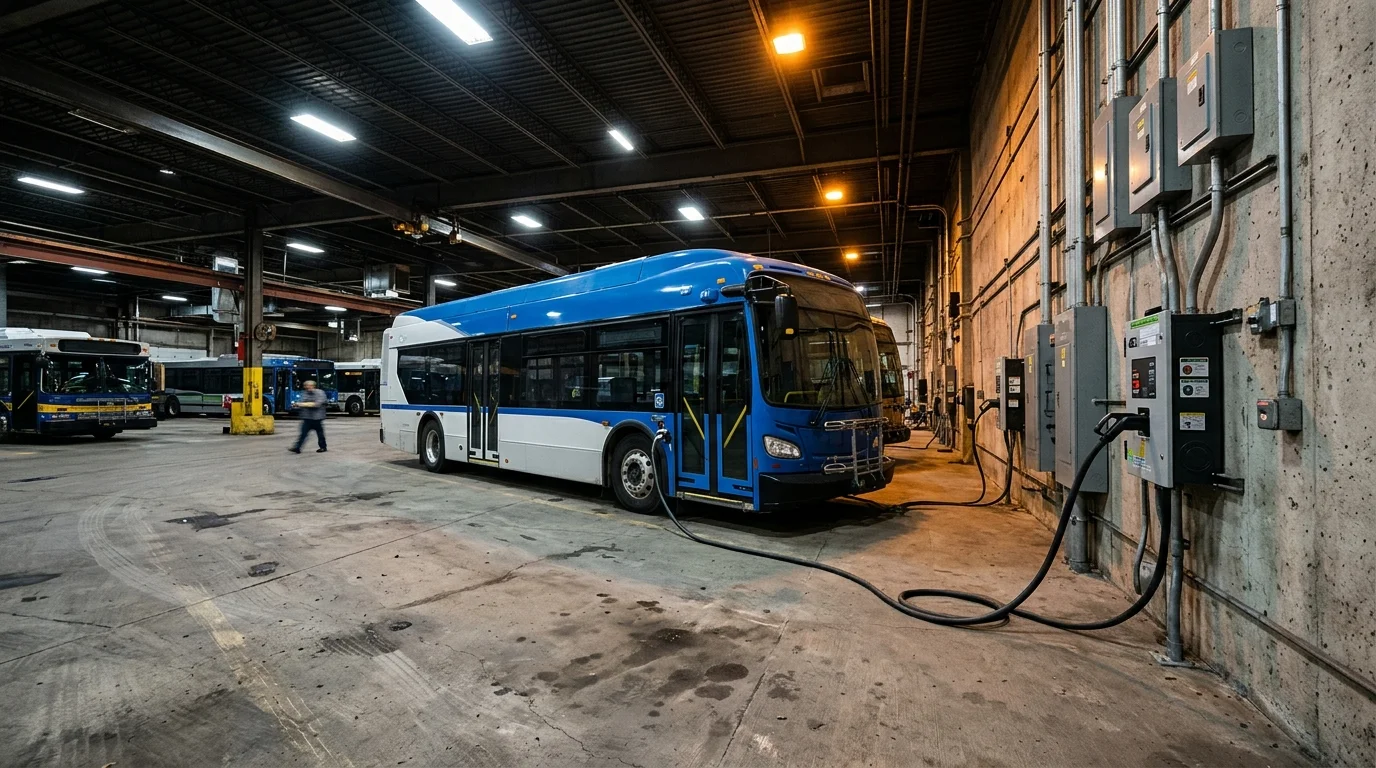
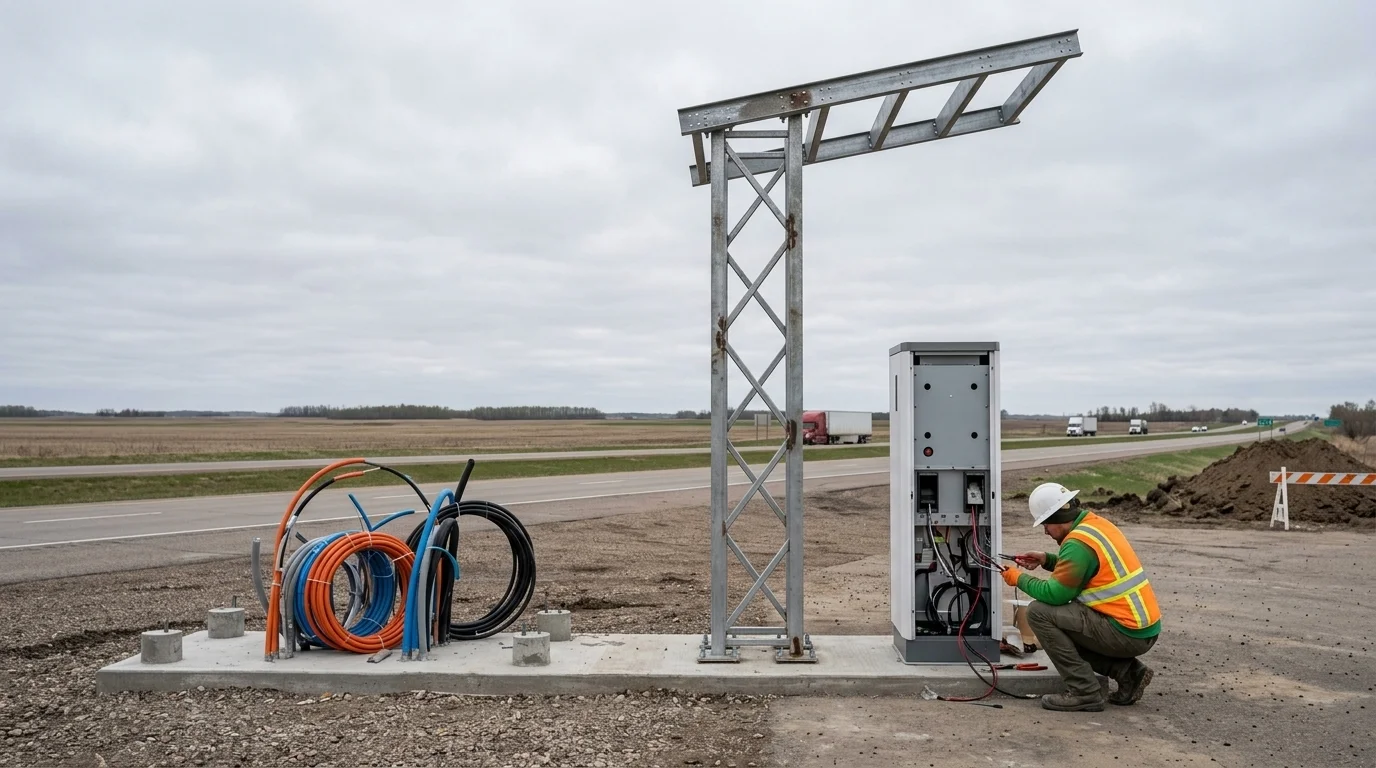
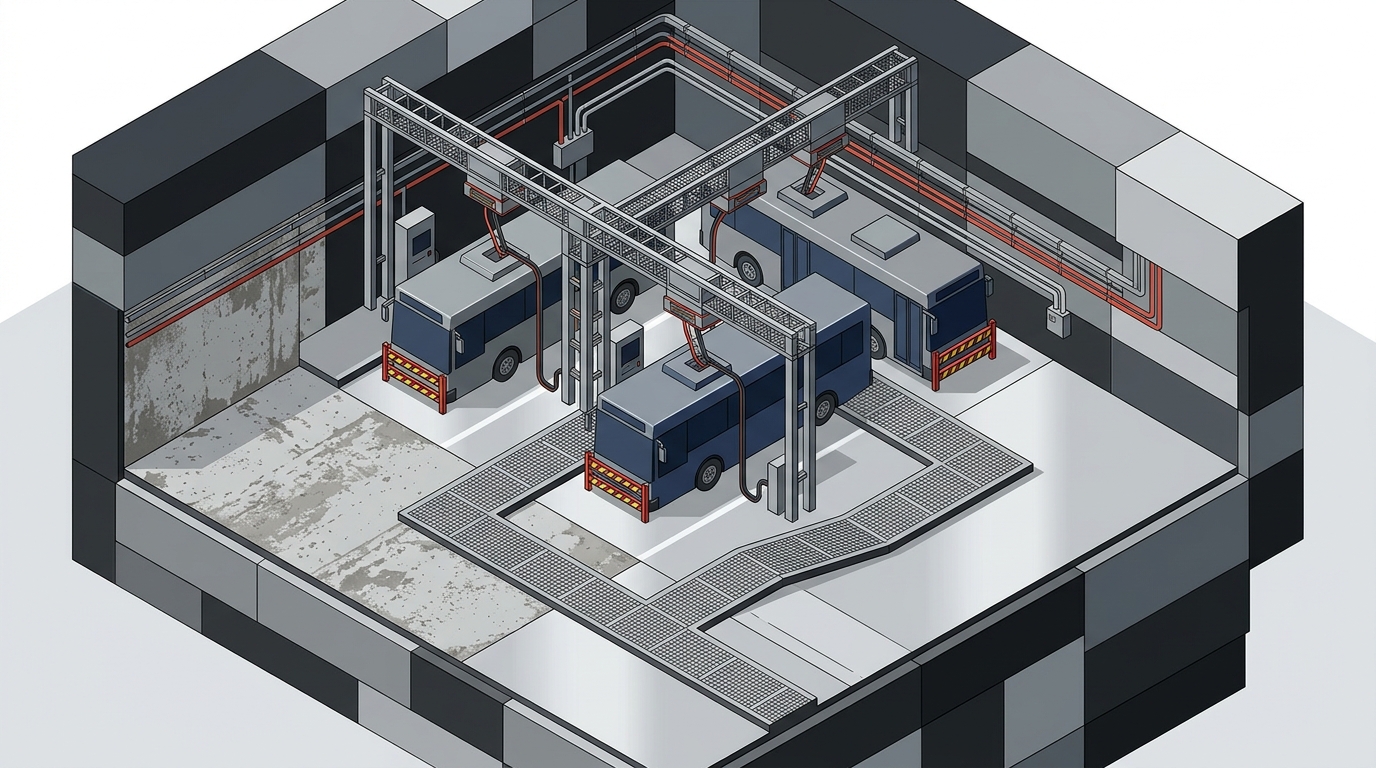
The money goes to the Washington Metropolitan Area Transit Authority, which serves roughly 4 million riders across D.C., Northern Virginia, and suburban Maryland. The funds will pay for rebuilding two of the system's most deteriorated bus garages, the Bladensburg facility in Northeast D.C. and the Northern garage, both of which date to an era long before electric buses were a consideration. The rebuilt facilities will be designed specifically to support battery-electric bus operations, with the charging infrastructure and electrical capacity those vehicles require.
Bladensburg serves routes through some of the District's most transit-dependent neighborhoods, including parts of Wards 5 and 7, where car ownership is low and bus ridership remains high. The garage has been flagged as a priority replacement for years, but the capital dollars to act on that haven't always materialized.
The grant also funds something bus drivers have been demanding for years: protective barriers across the entire Metrobus fleet. Assaults on transit operators have climbed nationally since the pandemic, and Amalgamated Transit Union Local 689 has publicly pushed WMATA to move faster on operator safety. This funding makes fleet-wide installation possible.
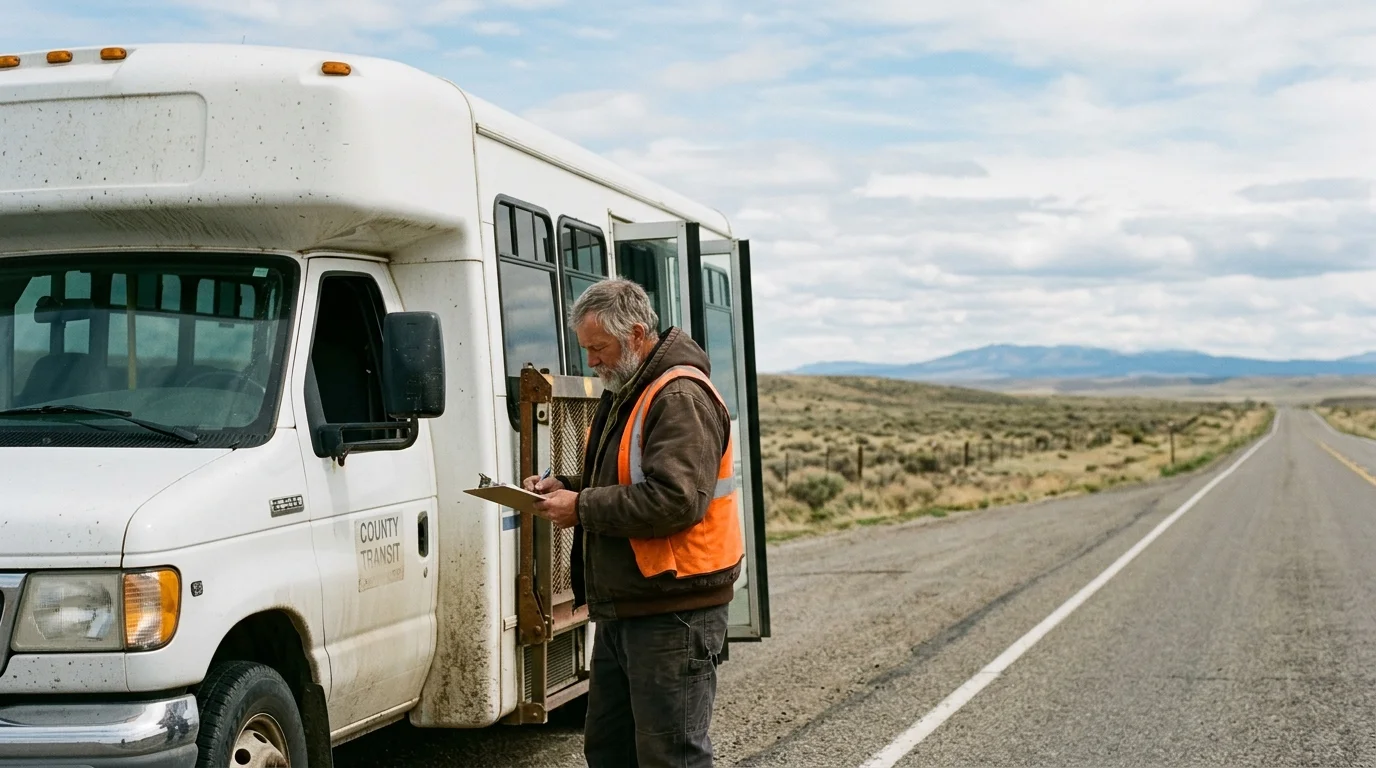
Also covered: replacement of MetroAccess paratransit vans that have exceeded their useful life, typically benchmarked at five to seven years. Aging paratransit vehicles are a reliability problem that directly affects disabled riders who depend on the service.
The funding flows through the Federal Transit Administration's Section 5307 Urbanized Area Formula program, which distributes money based on population density and transit service levels. Authorization levels for the program increased roughly 30 percent under the 2021 Bipartisan Infrastructure Law, which is part of what makes a single-year award of this size possible.
The timing matters. WMATA spent the last several years burning through roughly $2.4 billion in pandemic relief funds while warning of catastrophic service cuts if D.C., Maryland, and Virginia didn't commit to new dedicated funding. That regional deal came together in 2024, stabilizing the operating budget, but the agency's capital backlog, estimated at over $20 billion over the next decade, remains a slow-moving crisis. Federal formula grants like this one are central to making any dent in it.
WMATA has set a goal of transitioning to a fully zero-emission bus fleet, and Bladensburg and Northern were always going to be the first test of whether that goal was real or aspirational. Rebuilding them is the concrete first step. Whether the agency can sustain the capital investment pace needed to reach the rest of its aging infrastructure before something forces the issue remains the open question.