In Humboldt County, Iowa, one of the state's rarest natural features is being slowly swallowed by trees. The Iowa Department of Natural Resources is now moving to stop it, hiring contractors to clear up to 9 acres of encroaching woody growth from a patch of never-plowed native prairie at the East Fork Wildlife Management Area.
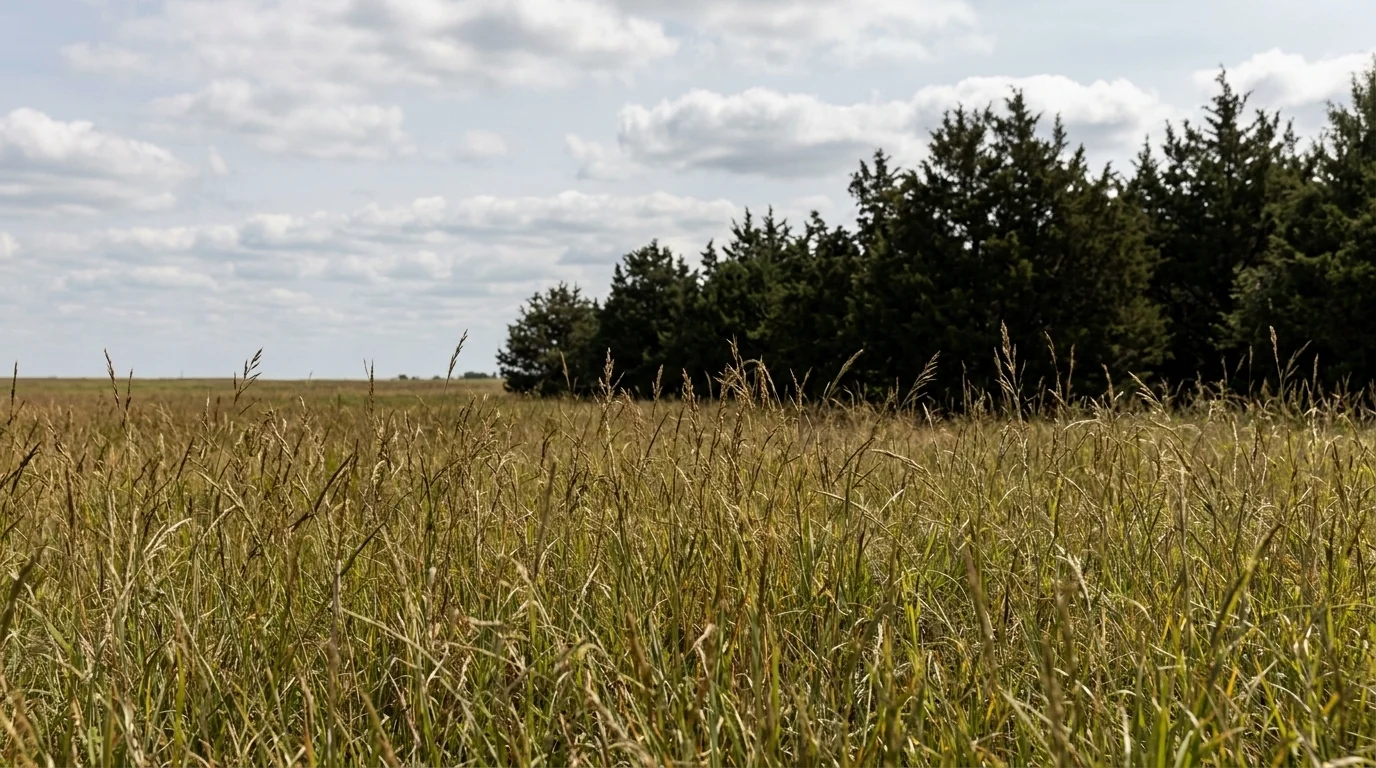
The target is the Behounek Tract, a remnant prairie along the East Fork of the Des Moines River. "Remnant" is the key word: this ground was never broken by a plow, meaning it still holds the original native seed bank and soil communities that took thousands of years to develop. Scientists consider such parcels ecologically irreplaceable. You cannot recreate them by reseeding.
That makes the trees a serious problem. Without the wildfires and bison grazing that historically kept Iowa's grasslands open, eastern red cedar, honey locust and invasive shrubs have been steadily colonizing remnant prairies across the state for decades. Cedar in particular has expanded aggressively across the Midwest since the 1980s, and researchers now list woody encroachment among the leading threats to remaining North American grasslands.
Source: NationGraph.
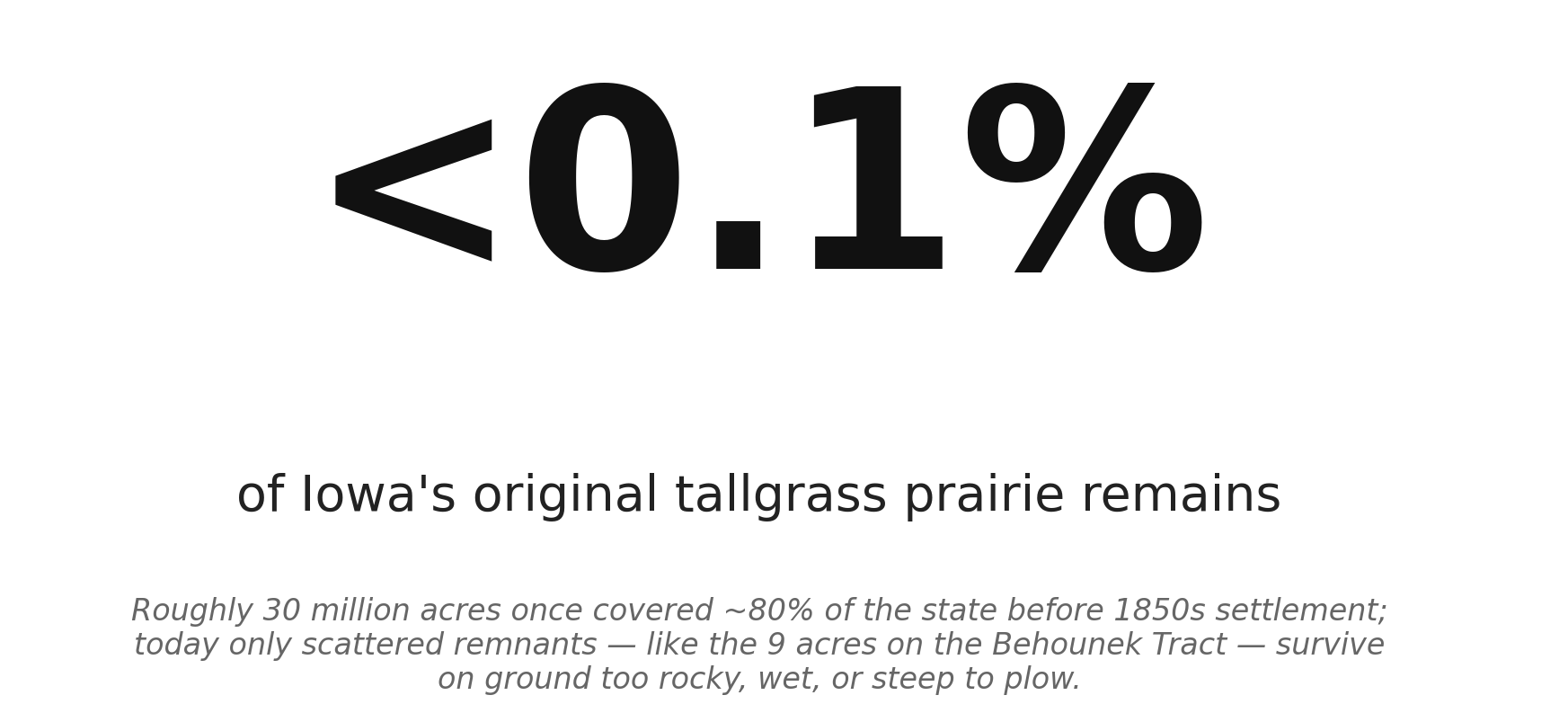
Before Euro-American settlement in the mid-1800s, roughly 30 million acres of tallgrass prairie covered about 80% of Iowa. Today, less than 0.1% survives. Iowa has lost more of its native landscape than almost any other state, and Humboldt County reflects that history: the region was drained and plowed in the late 1800s and is now dominated by corn and soybean fields. The East Fork corridor is one of the few places in the county where public conservation land exists at all.
The ecological stakes extend beyond rare plants. Grassland bird populations, including bobolinks, meadowlarks and Henslow's sparrows, have fallen 40 to 70 percent since the 1960s as their habitat has shrunk and fragmented. Pheasant numbers, which carry significant weight with Iowa hunters and rural communities, track closely with grassland quality.
The DNR's typical approach is to mechanically clear the woody growth first, then follow up with prescribed burns to keep the prairie open long-term. The agency has been carrying out similar restoration work at wildlife management areas across Iowa in recent years, as previously reported.
The project is listed on the state's procurement portal, posted Aug. 5, 2026. A contractor has not yet been selected, and no timeline for the clearing work has been publicly announced.