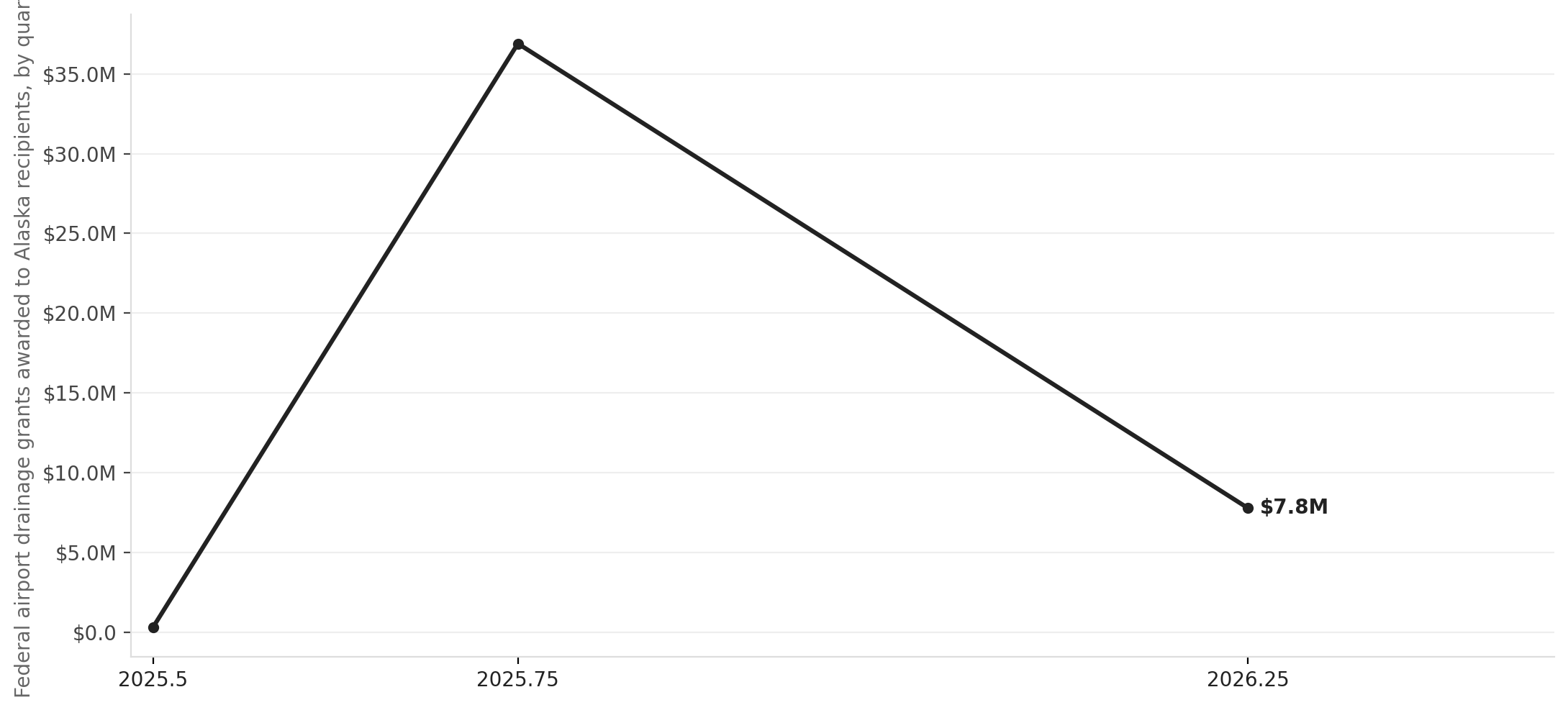
Federal grants for stormwater and drainage work at Alaska airports reached $7.78 million in the last 90 days, a 2,493% jump from the $300,000 awarded in the same window a year ago. That surge is not an anomaly, it is the climax of a spending sprint that began in earnest in mid-2025, when three additional IIJA drainage and erosion-control grants totaling roughly $29.5 million landed at Alaska DOT&PF and the City of Wasilla in a single quarter. Alaska is the only state in the western United States with any stormwater-tagged federal grant activity in the trailing 90 days.
The reason for the speed is a deadline. The FAA's Airport Infrastructure Grant program, funded by the 2021 Infrastructure Investment and Jobs Act, allocated $14.45 billion to airports over five years in formula grants. FY2023 allocations expire September 30, 2026. Airports had to notify the FAA of their intent to use those funds by May 1 of this year and submit full applications by June 30. The May 19, 2026 start date on Alaska's latest $7.78 million award lands inside that window almost to the day. Forfeit the money or spend it: that is the choice Alaska DOT&PF is now executing against at scale.
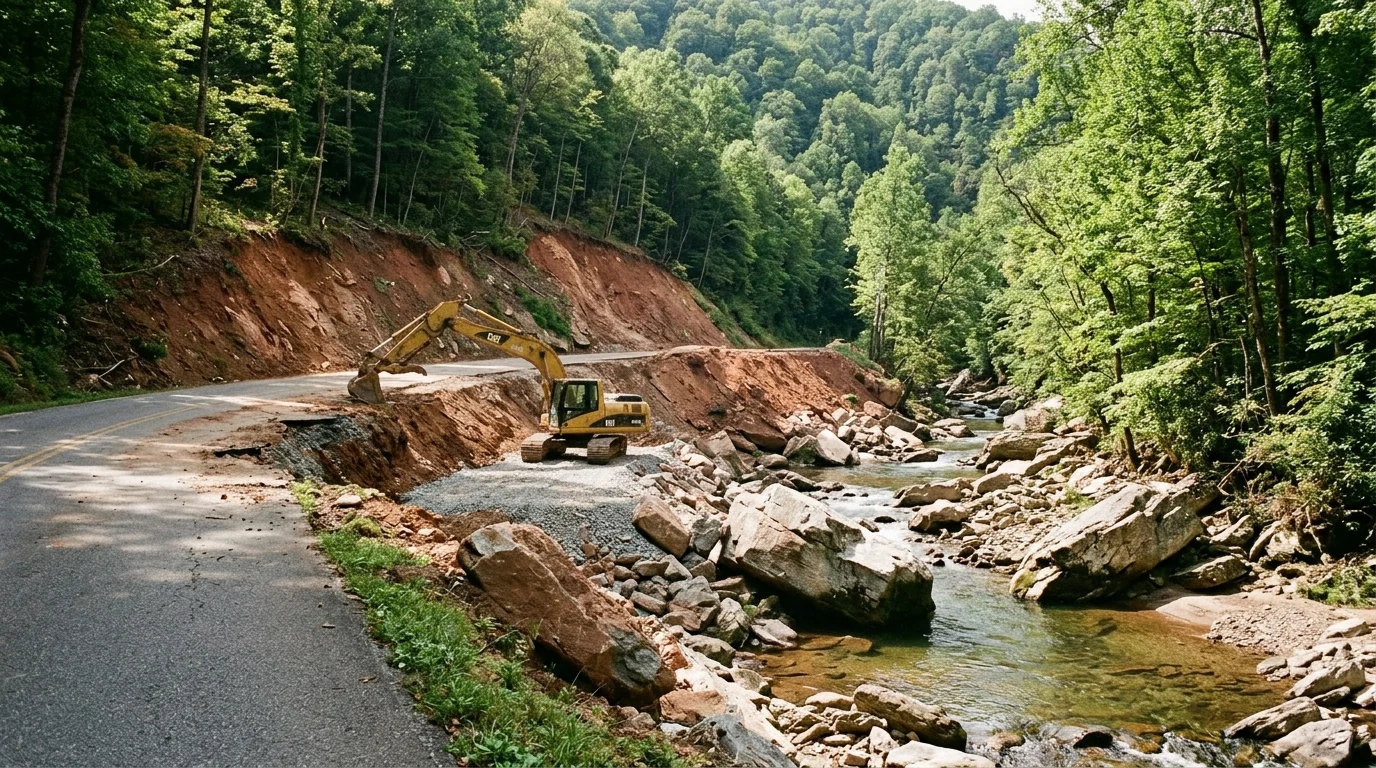
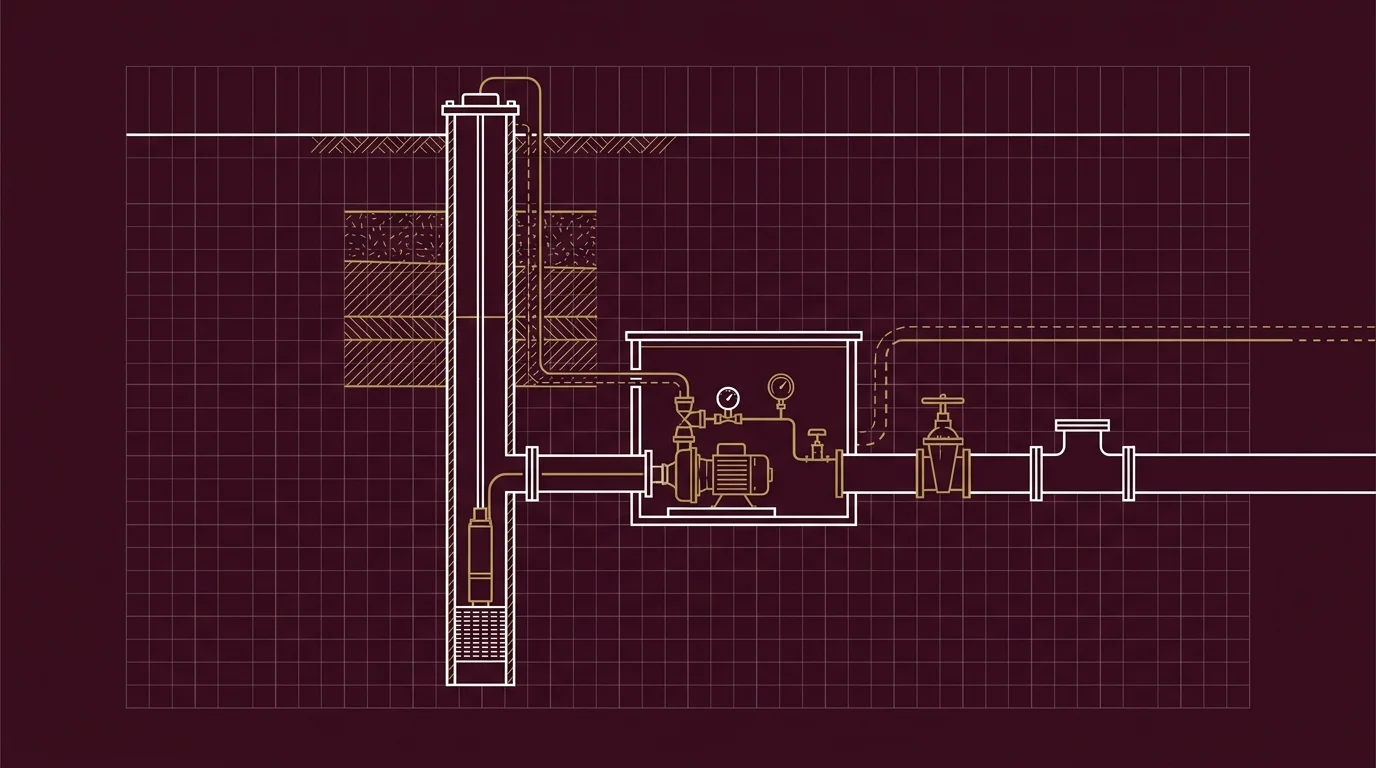
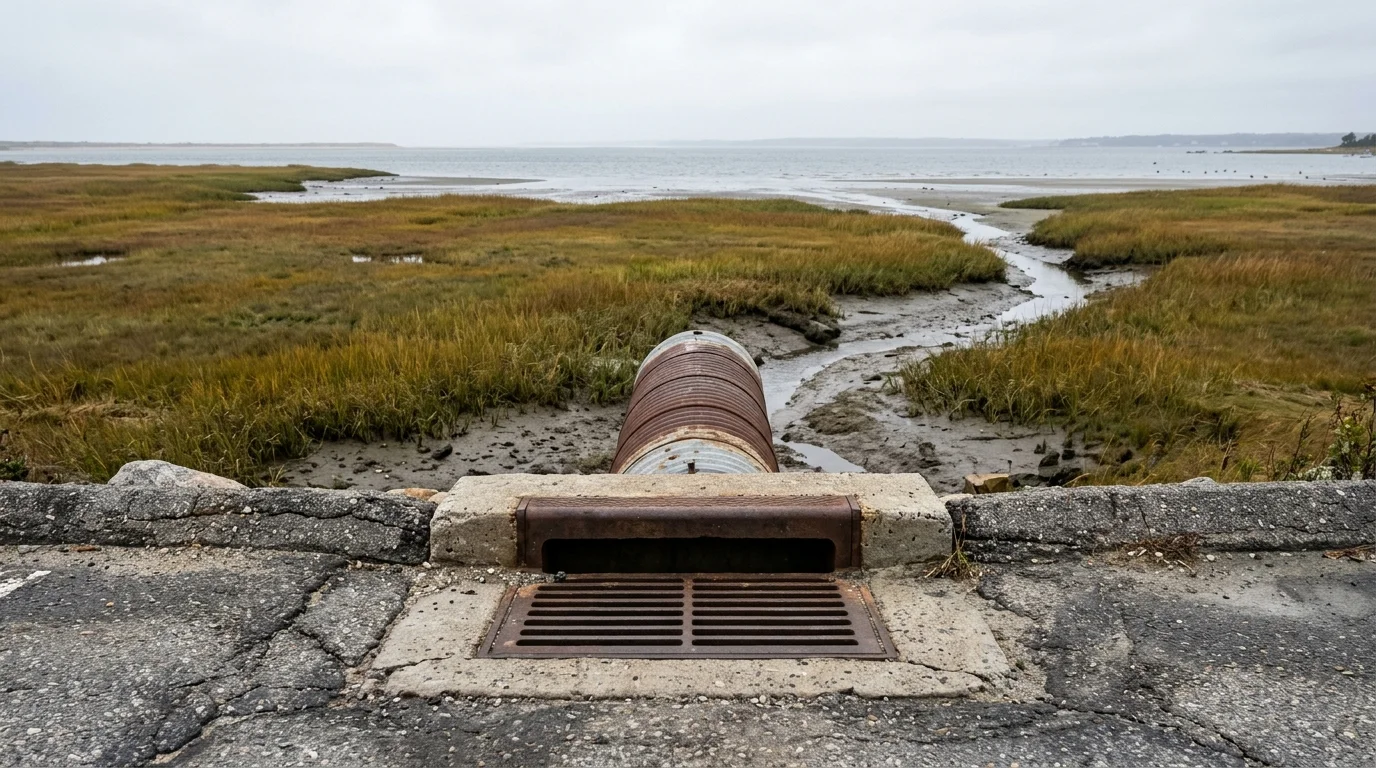
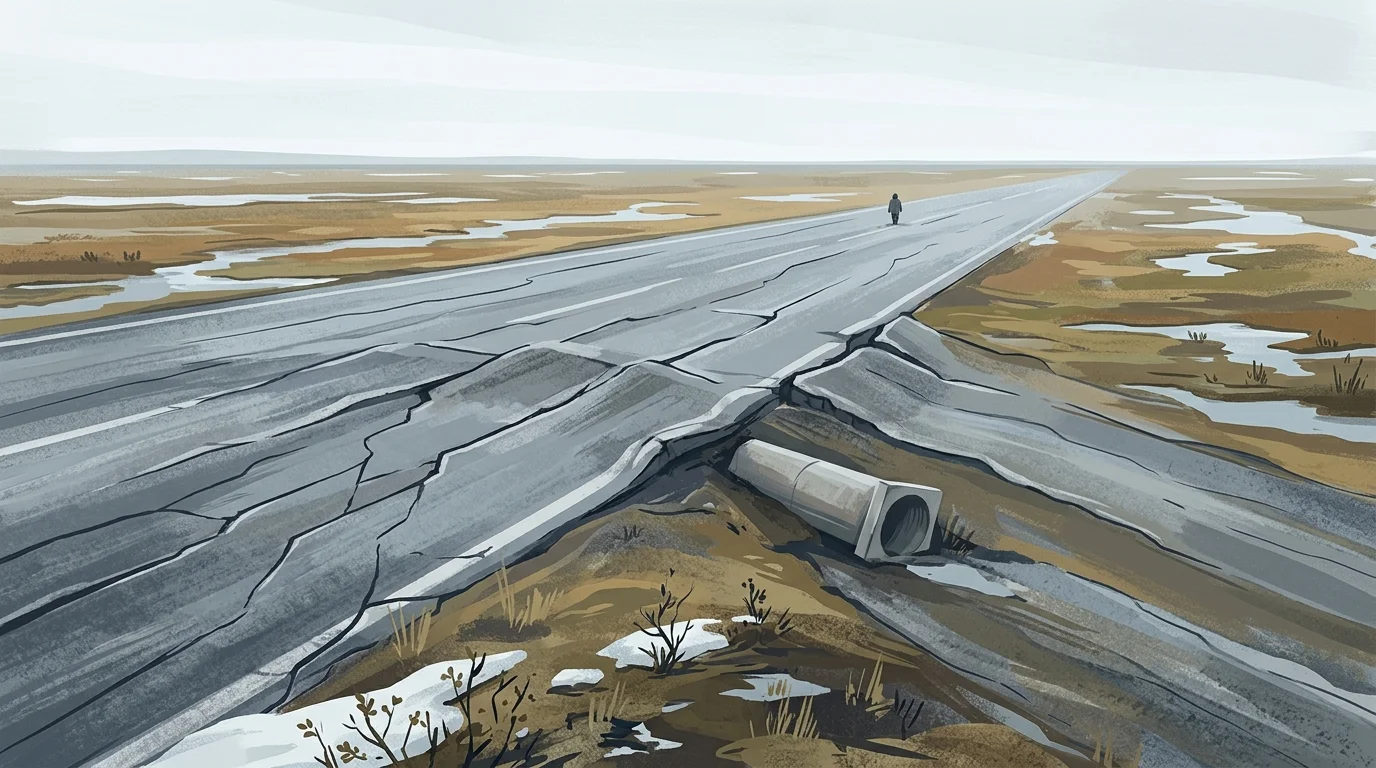
But the urgency is not only fiscal. At Deadhorse Airport, on Alaska's Arctic Slope, project documents describe culverts subjected to repeated ice jacking, a freeze-thaw cycle that physically lifts and cracks drainage infrastructure from below, destroying both culvert function and the pavement above it. Deadhorse is not an edge case. Across Alaska's roughly 250 public-use airports, more than any other state, most runways were built on or adjacent to permafrost. As that permafrost thaws, drainage systems designed for frozen ground lose their structural foundation. The latest $7.78 million grant will construct a new storm drain system and reconstruct 5,000 feet of service road at an Alaska airport, with performance extending through May 2030.
Source: NationGraph.
The science behind the urgency has sharpened considerably. A March 2025 study in Communications Earth & Environment projected $37 to $51 billion in Alaska building and road damage from permafrost thaw by mid-century, a figure sharply higher than earlier modeling. A September 2025 University of Alaska Fairbanks study described catastrophic coupled permafrost and infrastructure failures at the coastal community of Point Lay and recommended communitywide drainage assessments. In 2025, airport runways cracked across Alaska's rural system as permafrost collapse accelerated. The drainage grants are not getting ahead of a future problem; they are catching up to a present one.
Federal policy has also shifted to acknowledge Alaska's situation explicitly. The FAA Reauthorization Act of 2024 created the Don Young Alaska Aviation Safety Initiative, which directed the FAA to recognize Alaska's distinct geographic and climatic challenges within the Airport Improvement Program. The FAA operationalized those new eligibilities through guidance document PGL 25-08 in 2025, expanding the types of drainage and climate-adaptation projects that qualify for AIP funding in Alaska. That policy change effectively unlocked project categories that had previously fallen into gray areas, and Alaska DOT&PF moved quickly to use them.
The airport system is not the only piece of Alaska's drainage infrastructure under stress. The Alaska Railroad Corporation issued a request for proposals in May 2026 to replace a failed stormwater drain at its Whittier Yard. Alaska DOT separately awarded stormwater compliance monitoring contracts covering 13 Marine Highway ferry facilities. The same thaw dynamics affecting runway culverts are working on port aprons, rail yards, and coastal staging areas across the state.
For residents of Alaska's rural communities, the practical stakes are direct. Aviation is a lifeline service for hundreds of towns with no road access. When a runway ponds or a culvert fails and the airstrip closes, medical evacuations reroute, fuel deliveries delay, and supply chains compress. The FAA has flagged FY2026 as the final IIJA Airport Infrastructure Grant installment, releasing $2.89 billion nationally. How much of that reaches Alaska's rural system, and how quickly projects can be designed and obligated before the September 30 expiration, will determine whether this sprint extends one more year or closes out.
The next signal to watch is the June 30 application deadline. Projects that miss it forfeit their FY2023 allocation. For a state agency managing drainage repairs across 250 airports, many of them reachable only by air, that deadline is less a bureaucratic formality than a hard clock on years of deferred work.