Franklin County, Vermont is moving forward with a floodplain restoration project on Westcott Brook, putting into practice a philosophy that has reshaped how the state thinks about rivers since a pair of catastrophic floods tore through the region in 2023 and 2024.
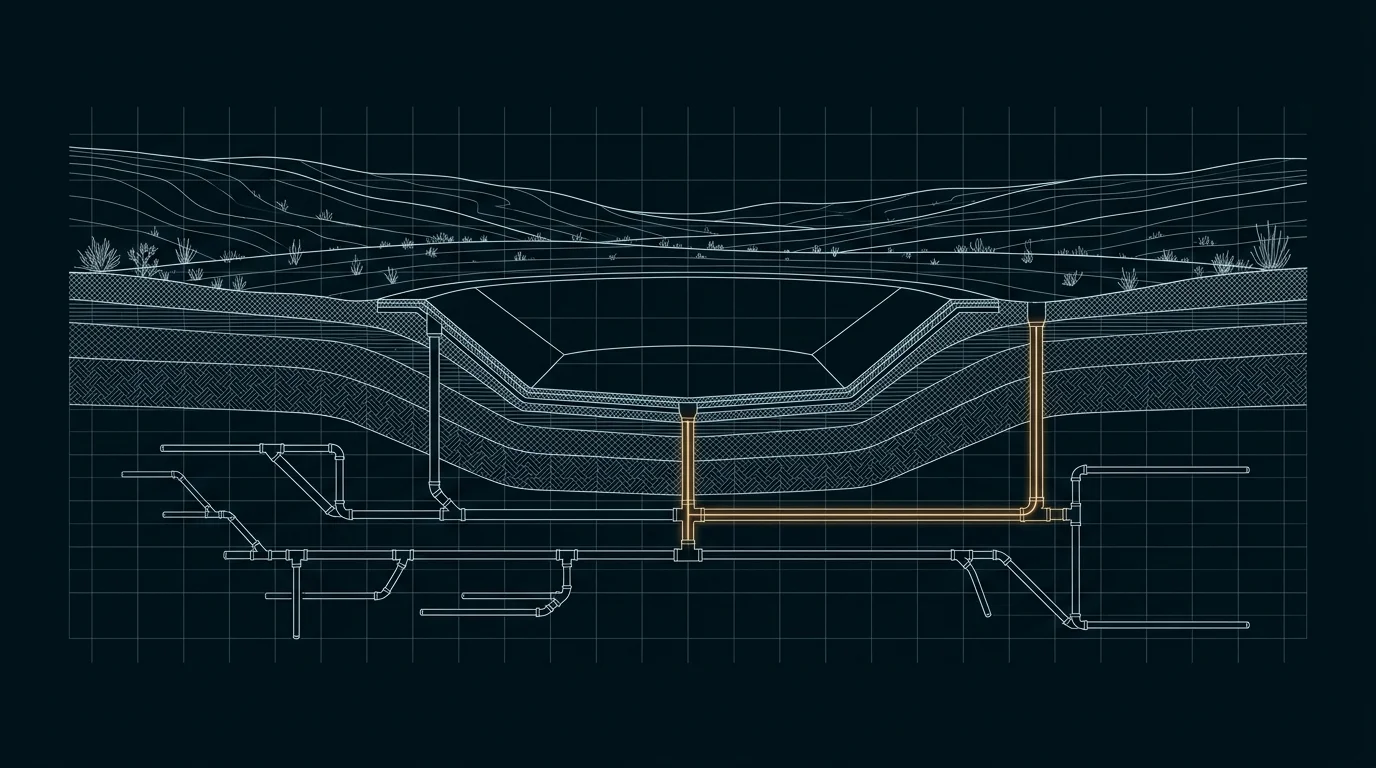
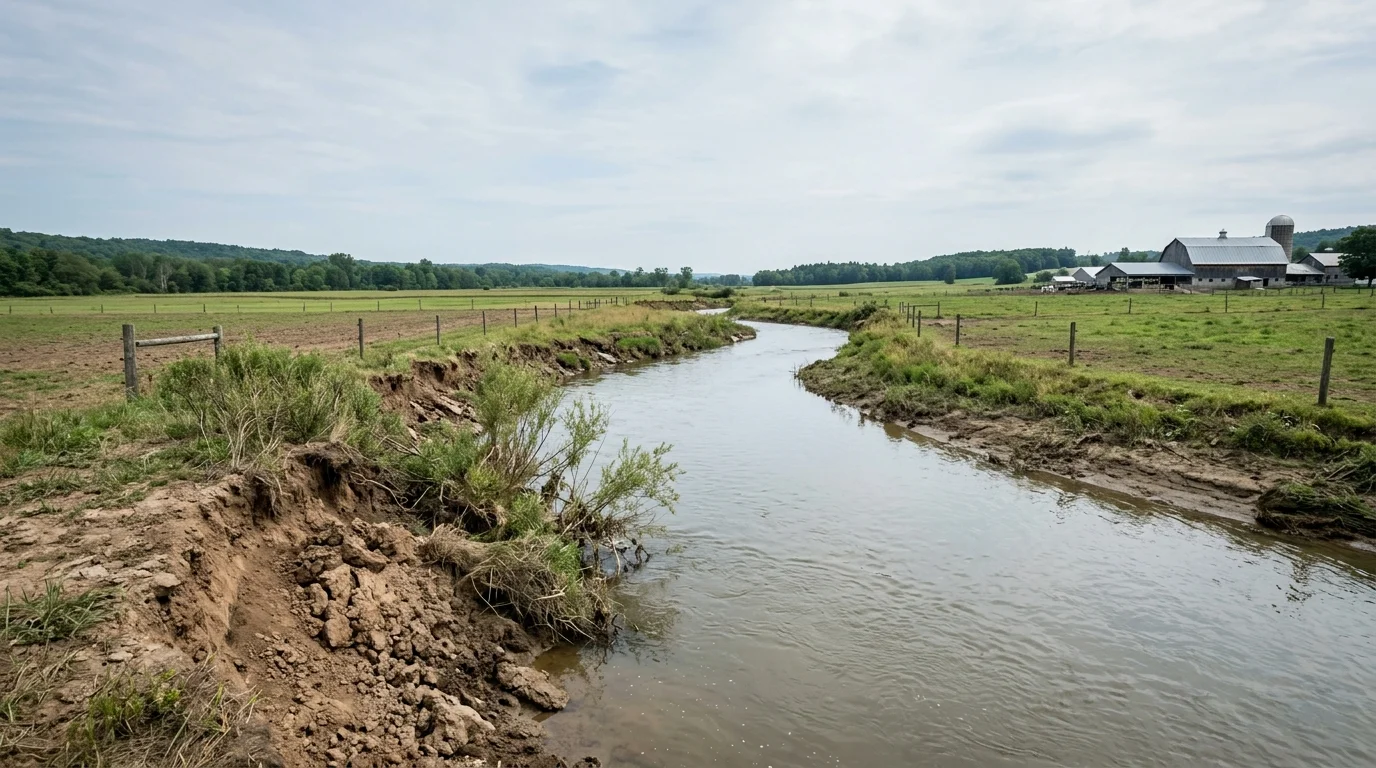
The Franklin County Natural Resources Conservation District, which works the diplomatic middle ground between farmers, regulators, and conservation funders in one of Vermont's most agricultural counties, is now seeking a contractor to carry out the work. That the project is already in the implementation phase suggests engineering and design are complete, and crews could soon be reshaping streambanks, removing old berms and fill, adding large wood to slow the current, and planting riparian buffers along the brook.
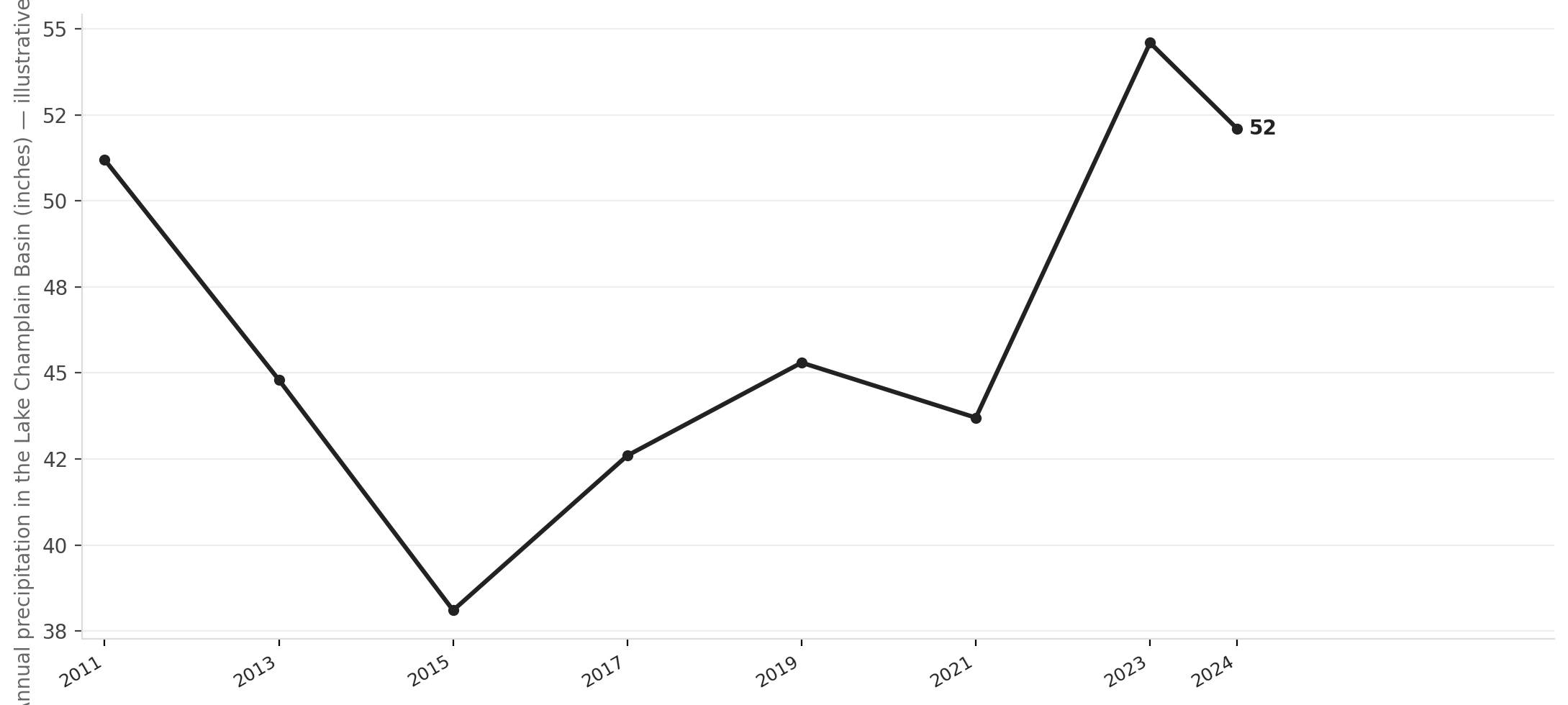
The approach reverses a century of conventional thinking. Dairy farmers across Franklin County spent generations straightening streams and draining floodplains to squeeze out more tillable acreage. That engineering, it turns out, made floods worse: channelized streams move water faster, sending destructive surges downstream rather than letting them spread and slow across a natural floodplain. Vermont was reminded of this violently in July 2023, its worst flooding since Tropical Storm Irene, and again in July 2024, when Lamoille, Caledonia, Essex and Franklin counties all took hits.
Source: NationGraph.
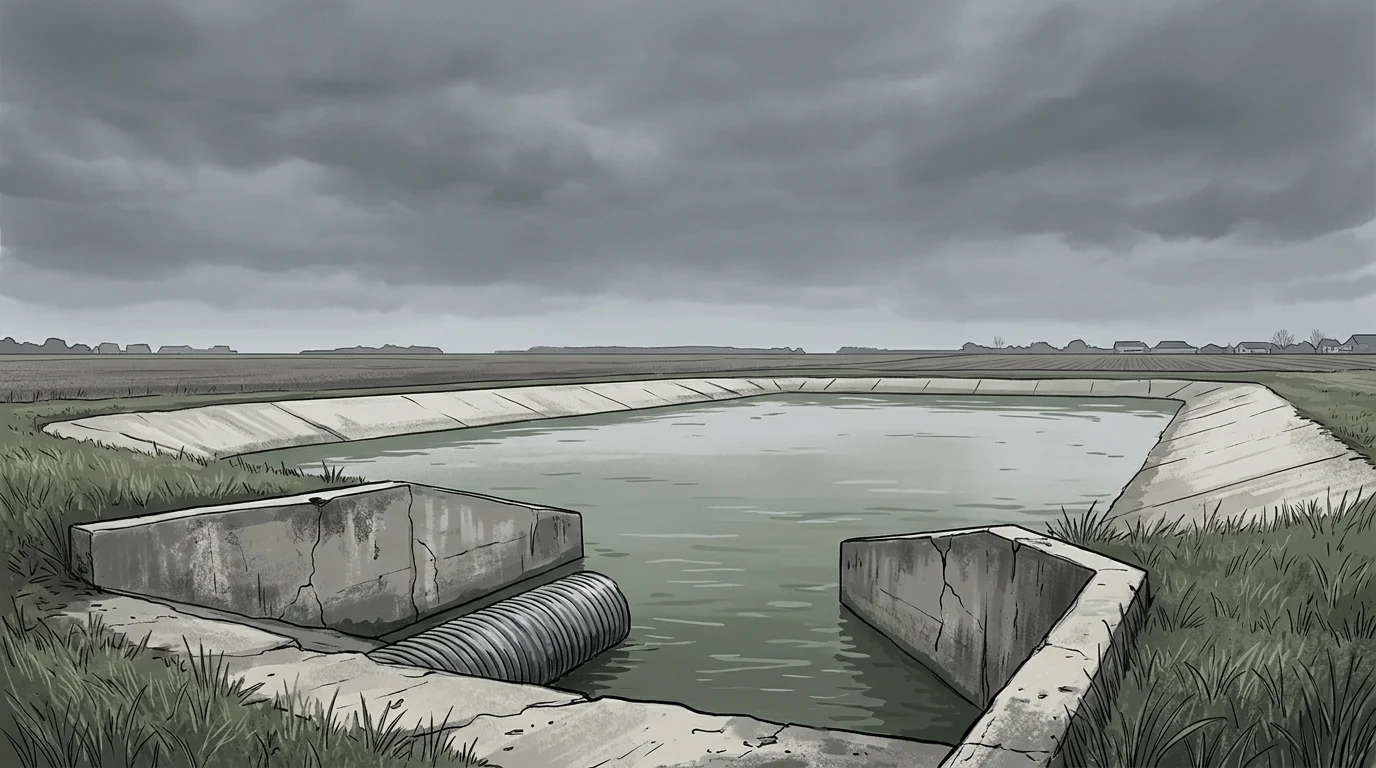
But flood risk is only half the story on Westcott Brook. The stream drains into the Lake Champlain watershed, and ultimately into Missisquoi Bay, the most phosphorus-impaired section of the lake and the subject of ongoing cleanup negotiations between the United States and Canada. Vermont is operating under a 2016 EPA-mandated phosphorus reduction plan, and eroding streambanks are a major source of that pollution. Restored floodplains, with their root systems and slower water, trap sediment and filter nutrients before they reach the lake.
The funding source for the Westcott Brook project hasn't been specified publicly, though projects of this type in Vermont are typically supported by some combination of the state's Clean Water Fund, USDA natural resources programs, FEMA hazard mitigation grants, or the Lake Champlain Basin Program.
The Franklin County NRCD posted the solicitation on July 1, 2026. Once a contractor is selected and work begins, Westcott Brook will become one more test of whether Vermont's bet on giving rivers room to move can deliver on both its flood and water-quality promises.