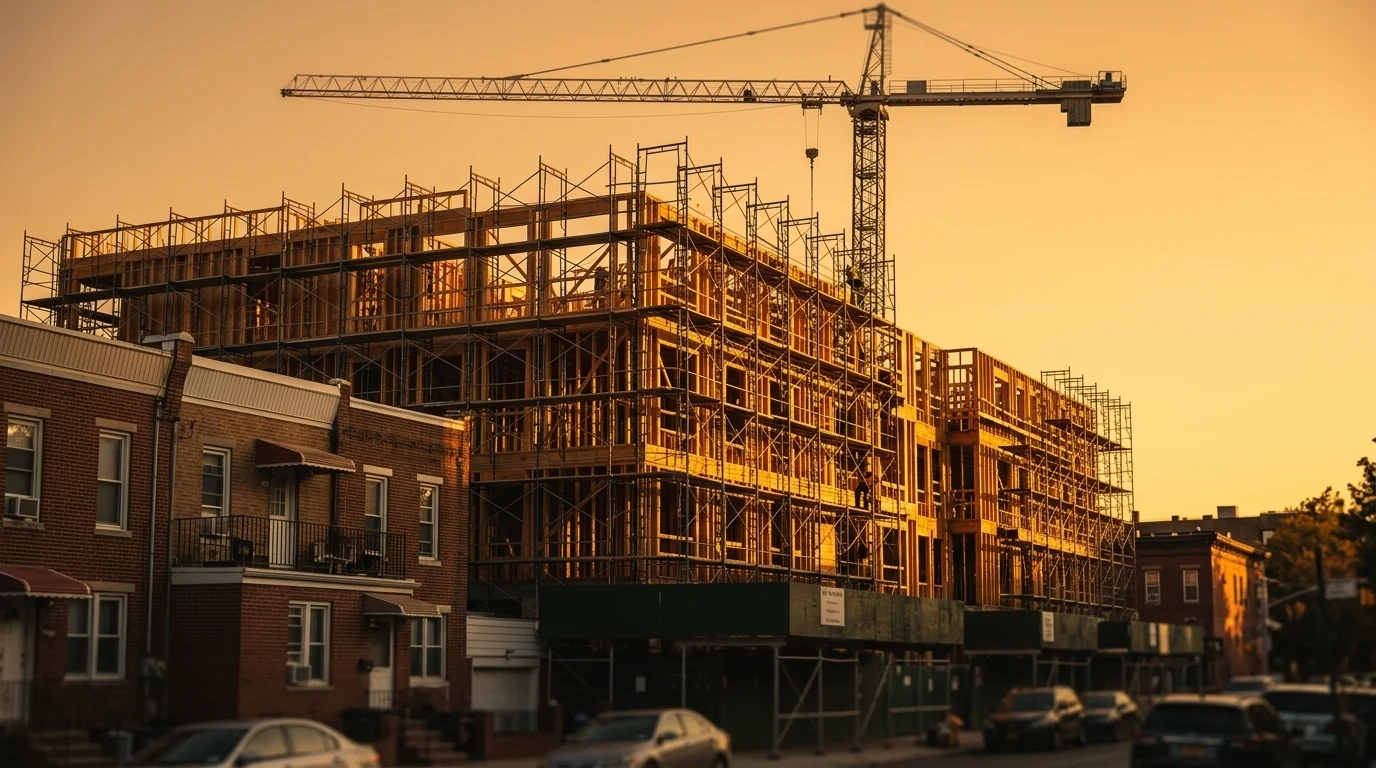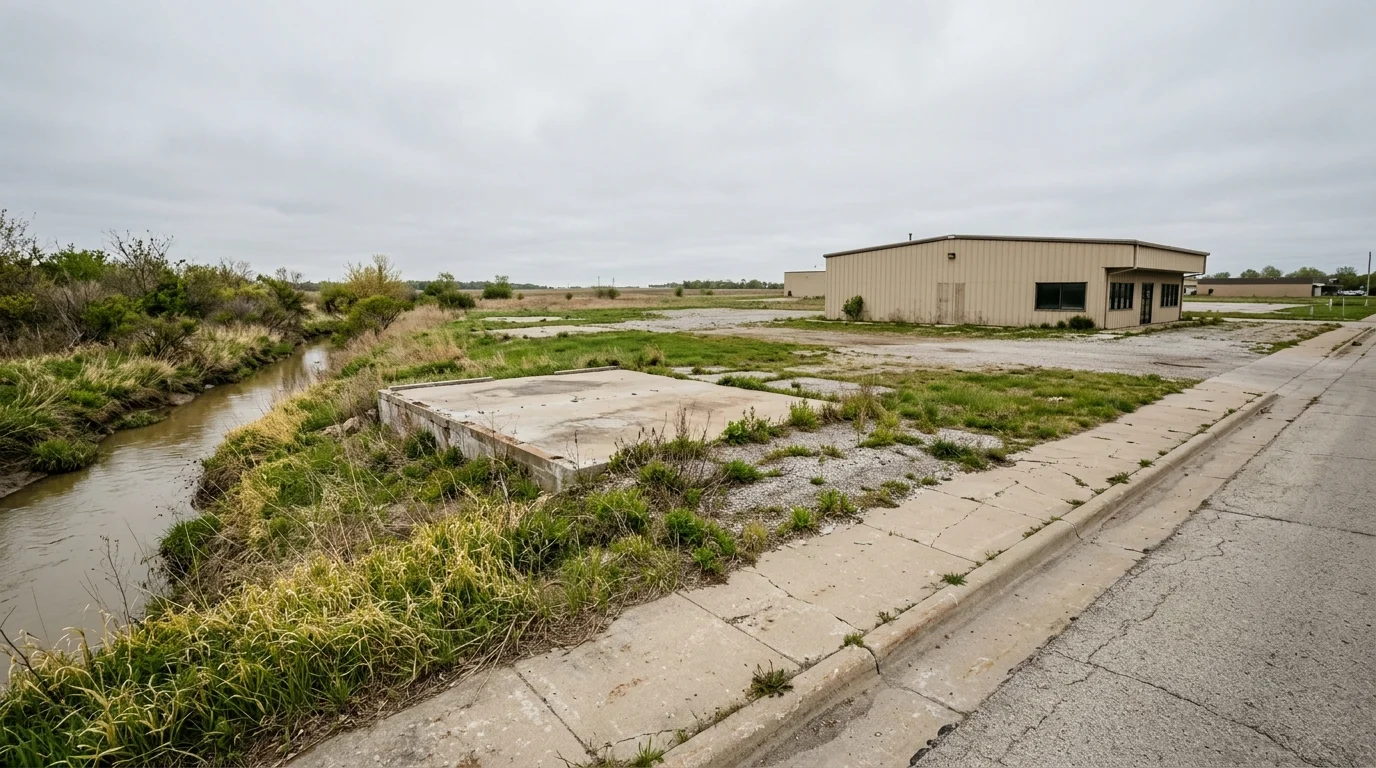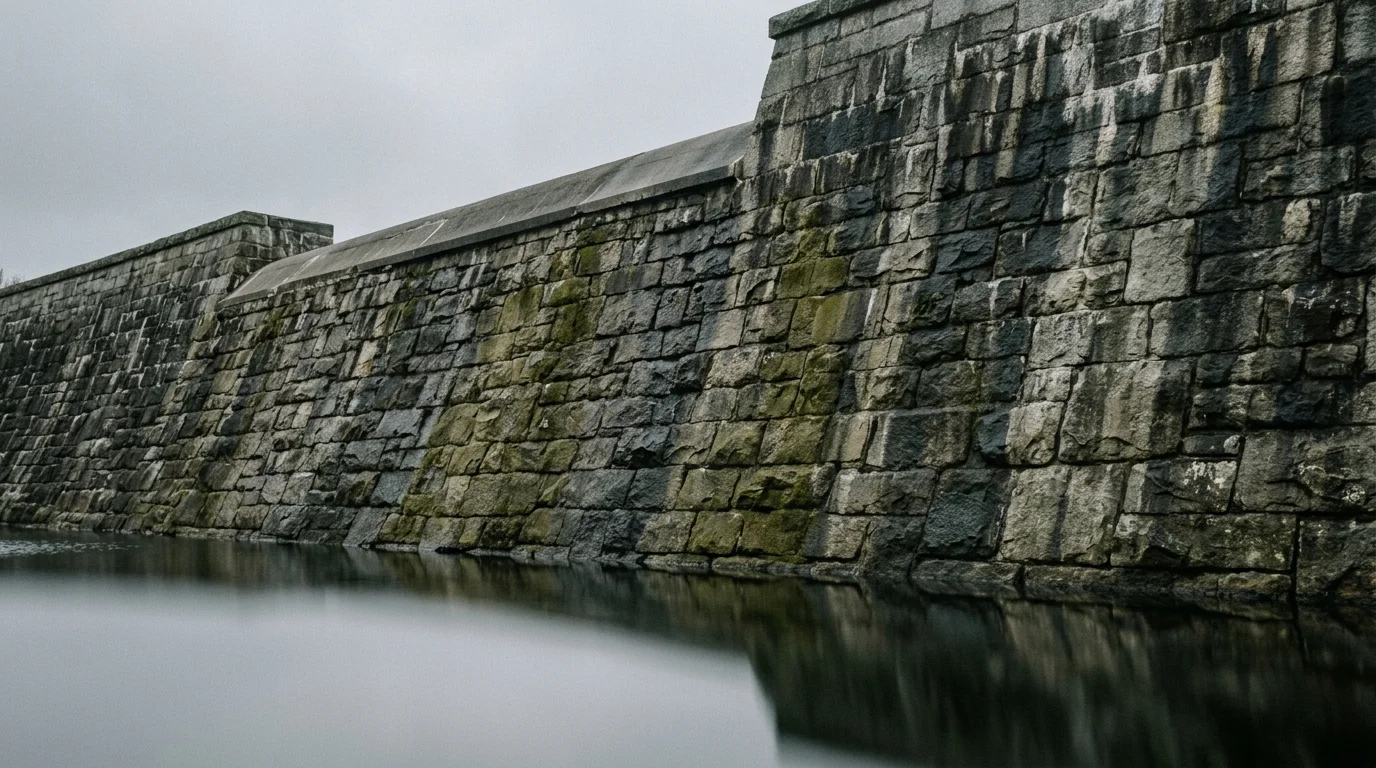
A dam built in the 19th century to help supply water to a rapidly growing New York City is about to get a major safety overhaul, as the city moves to bring the Silver Lake Reservoir structure on Staten Island up to modern standards before the next major storm tests what it can handle.
New York City has posted a solicitation seeking a contractor to rehabilitate the dam, which impounds Silver Lake Reservoir in the heart of Staten Island's Silver Lake Park. The reservoir was decommissioned from active water supply use long ago, but the dam itself remains a consequential piece of infrastructure. It sits in a densely populated urban area where a failure would put thousands of residents at risk downstream.
The push reflects a convergence of pressures that have been building for years. The average American dam is now over 60 years old, and the American Society of Civil Engineers has repeatedly given U.S. dam infrastructure a "D" grade, flagging thousands of high-hazard structures in need of repair. New York State's own dam safety program, run by the Department of Environmental Conservation, classifies dams by the severity of harm a failure could cause and imposes the strictest inspection and upgrade requirements on those where collapse would likely cost lives.
Source: NationGraph.
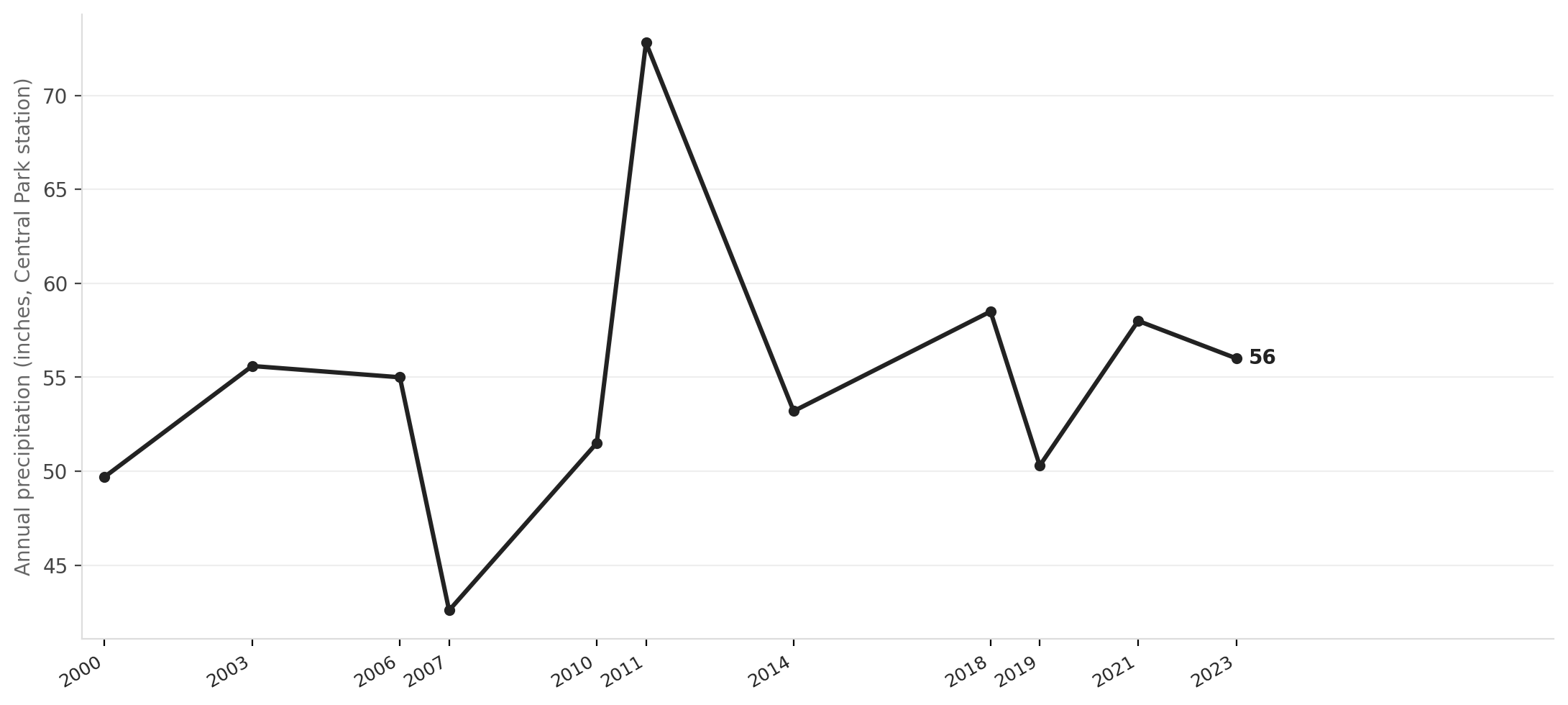
Climate change has added urgency. NYC updated its stormwater design standards in recent years to account for heavier rainfall, and the city's experience with Hurricane Ida in 2021 made clear that storms are now delivering volumes of water that older spillways were never designed to manage. Staten Island knows this lesson well: Hurricane Sandy in 2012 killed 24 people on the island and caused catastrophic property damage, putting infrastructure resilience at the center of local politics ever since.
The Silver Lake project is part of a broader capital push. NYC's current ten-year capital plan allocates more than $30 billion to the Department of Environmental Protection for water and sewer work, and the city completed a major Delaware Aqueduct rehabilitation in 2024. Federal money is also in play nationally: the Bipartisan Infrastructure Law directed $3 billion toward dam safety through FEMA and the Army Corps of Engineers.
For residents who use Silver Lake Park as neighborhood greenspace, the construction work ahead will be a visible reminder of what lies beneath the surface of a city park: a century-old hydraulic structure carrying modern safety obligations. How long the project will take and what it will cost have not yet been disclosed.