Twenty-two Pennsylvania municipalities issued their first stormwater-related RFP in more than a year, all within a single 30-day window ending mid-July 2026, a simultaneous break from silence that has no obvious explanation except one: they are all running against the same regulatory clock.
The clock is PA DEP's reissuance of the PAG-13 general permit, which governs stormwater discharges from small municipal separate storm sewer systems across the state. Published in the January 18, 2025 Pennsylvania Bulletin, the draft reissuance carries an anticipated effective date of October 1, 2026 and covers roughly 1,059 small MS4s statewide. Municipalities that fail to file a Notice of Intent by the deadline face a fallback to individual NPDES permitting, a process that is slower, more expensive, and significantly more burdensome for small borough administrations.
PA DEP has since signaled it will not finalize the new PAG-13 during 2026, which might sound like a reprieve. It is not. The Pollutant Reduction Plan implementation deadlines embedded in the existing permit have not been extended. Municipalities with active PRP obligations must still hit physical infrastructure milestones on schedule regardless of when the final permit lands. That distinction, between the permit clock and the project clock, is what converted a regulatory notice published eighteen months ago into a procurement surge last month.
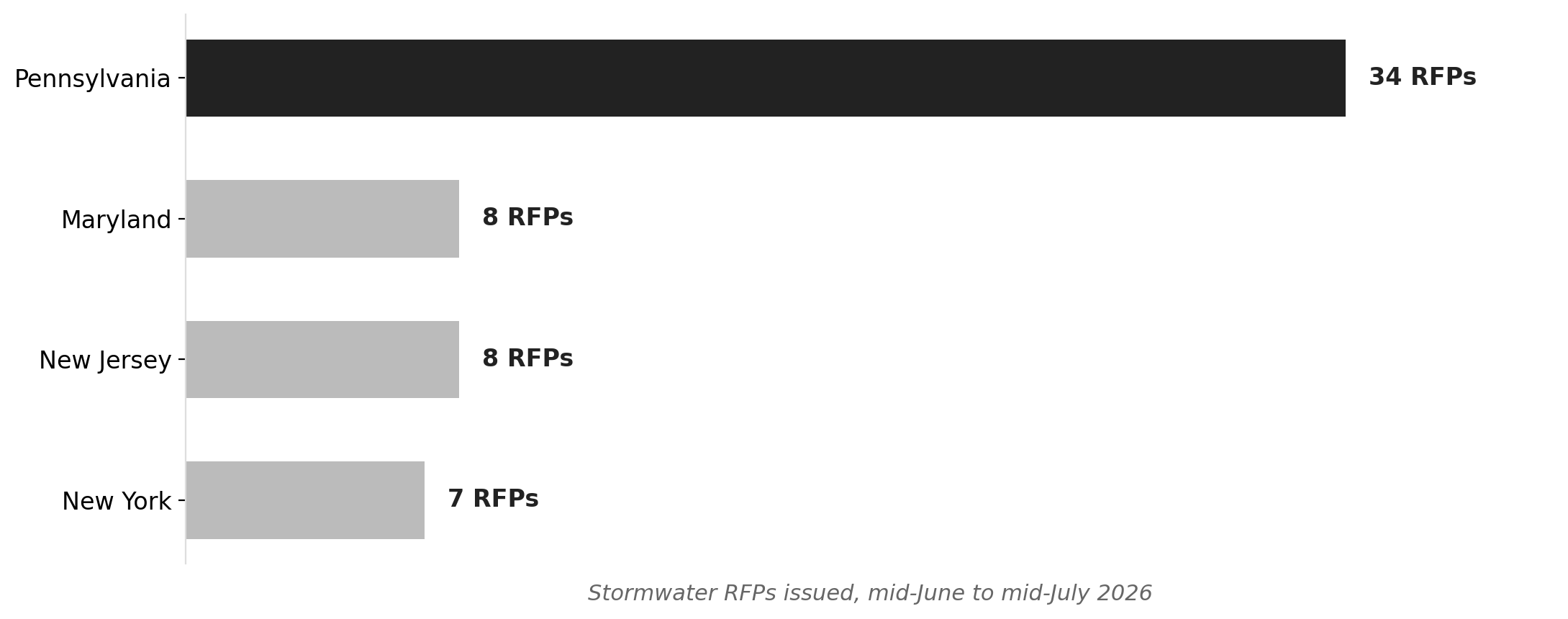
Source: NationGraph.
Forest Hills Borough in Allegheny County made the connection explicit. Its RFP is labeled Contract No. 26-SW1 '2026 PRP Improvements', a direct reference to Pollutant Reduction Plan obligations under the current permit. Seven of the 22 institutions that issued first-time RFPs are located in Allegheny County, including West Mifflin Sanitary Sewer Municipal Authority (whose solicitation names a specific construction project, the 'Nordeen' MS4 project), East McKeesport, Springdale, Neville, and Churchill. The geographic concentration suggests Pittsburgh-area engineering firms are actively coordinating procurement across their municipal client rosters, timing submissions around shared consultant schedules and the same compliance deadlines.
Bucks County added three more institutions to the count, including Warminster Township, Yardley Borough, and the county itself. A July 11, 2026 meeting of Morrisville Borough council in Bucks County included a full 'MS4 Program Updates' briefing from the municipal engineer, direct evidence that the permit reissuance has moved from DEP's docket onto local government agendas. Across all 22 institutions, the projects span named MS4 construction, sanitary and stormwater sewer separation, corridor drainage work, and streambank stabilization, spread across 15 counties.
The scale of the response looks different when compared to neighboring states. Pennsylvania produced 34 total stormwater RFPs in the same 30-day window. Maryland and New Jersey each produced 8. New York produced 7. The gap reflects something structural, not just urgency: Pennsylvania has more than 2,500 separate townships and boroughs, and its MS4 program places compliance obligations on each one individually. A single permit reissuance in Pennsylvania creates hundreds of simultaneous compliance actions where a comparable reissuance in a more centralized state might create dozens. As PA DEP notes, the state's fragmented municipal structure is a defining feature of how stormwater obligations flow downward.
The financial infrastructure to support this procurement wave is in place. PENNVEST holds multiple active EPA Clean Water State Revolving Fund tranches, including a FY2025 grant worth more than $97 million running through 2032, available specifically for municipal stormwater and clean water projects. Low-interest SRF financing is one reason small boroughs with limited capital budgets can realistically contract construction projects on a deadline, the money is accessible before the permit expires.
PennDOT's own individual MS4 permit, which covers the state's road and bridge network, expires October 31, 2026, one month after the anticipated PAG-13 effective date. Engineering firms working on both municipal and transportation stormwater projects are marketing around both deadlines simultaneously, which may be amplifying the urgency signal for borough engineers advising local councils.
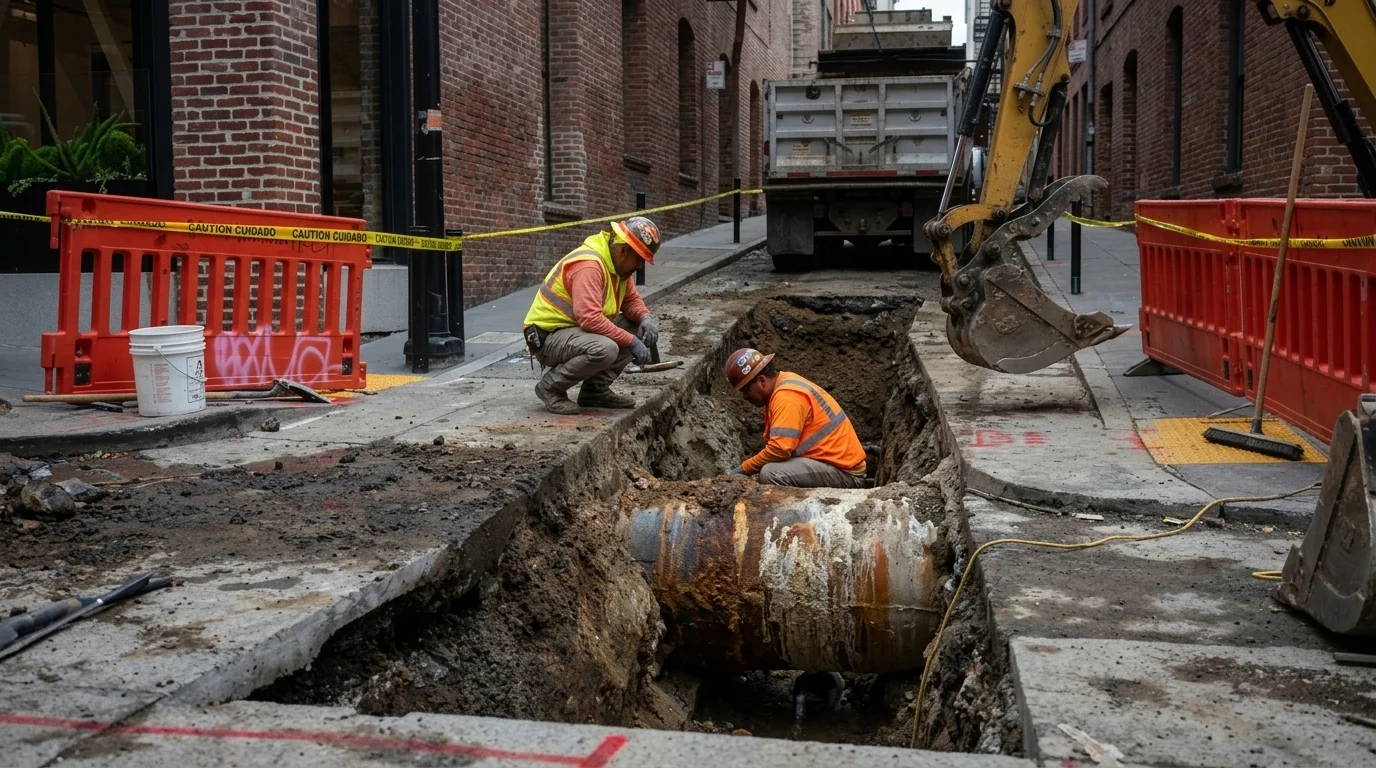
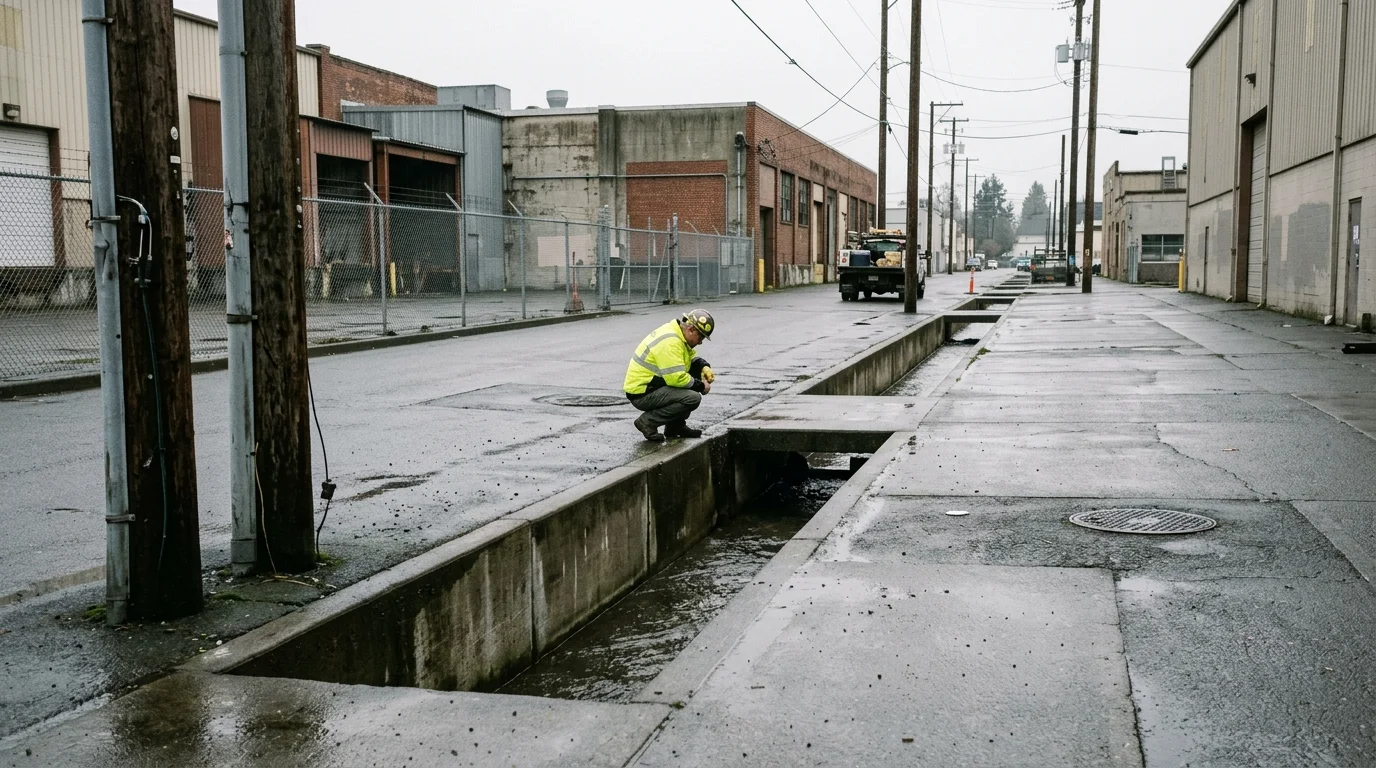
For residents in the affected municipalities, the immediate effect is construction: drainage improvements, inlet upgrades, streambank work, and in some cases full separation of combined sewer pipes. These are visible, physical projects. The less visible effect is financial: municipalities that miss the general permit window and fall into individual NPDES permitting will spend more, over a longer timeline, to reach the same compliance endpoint.
The next signal to watch is whether the 22 first-movers convert their RFPs into awarded contracts before September 30. DEP's permit timeline may still shift, but the PRP milestone deadlines will not. Municipalities that issued RFPs in June and July have roughly one construction season to show progress. Those that have not yet moved have less time than that.