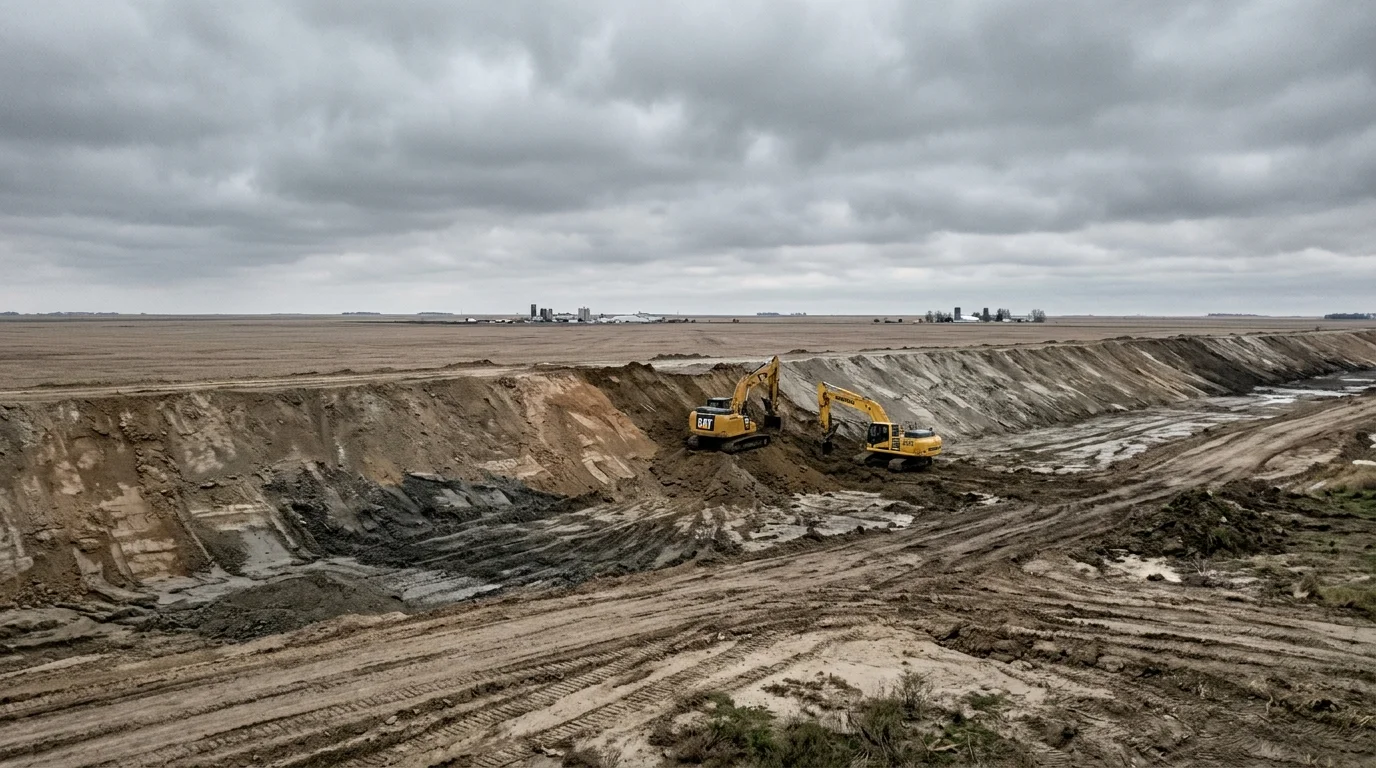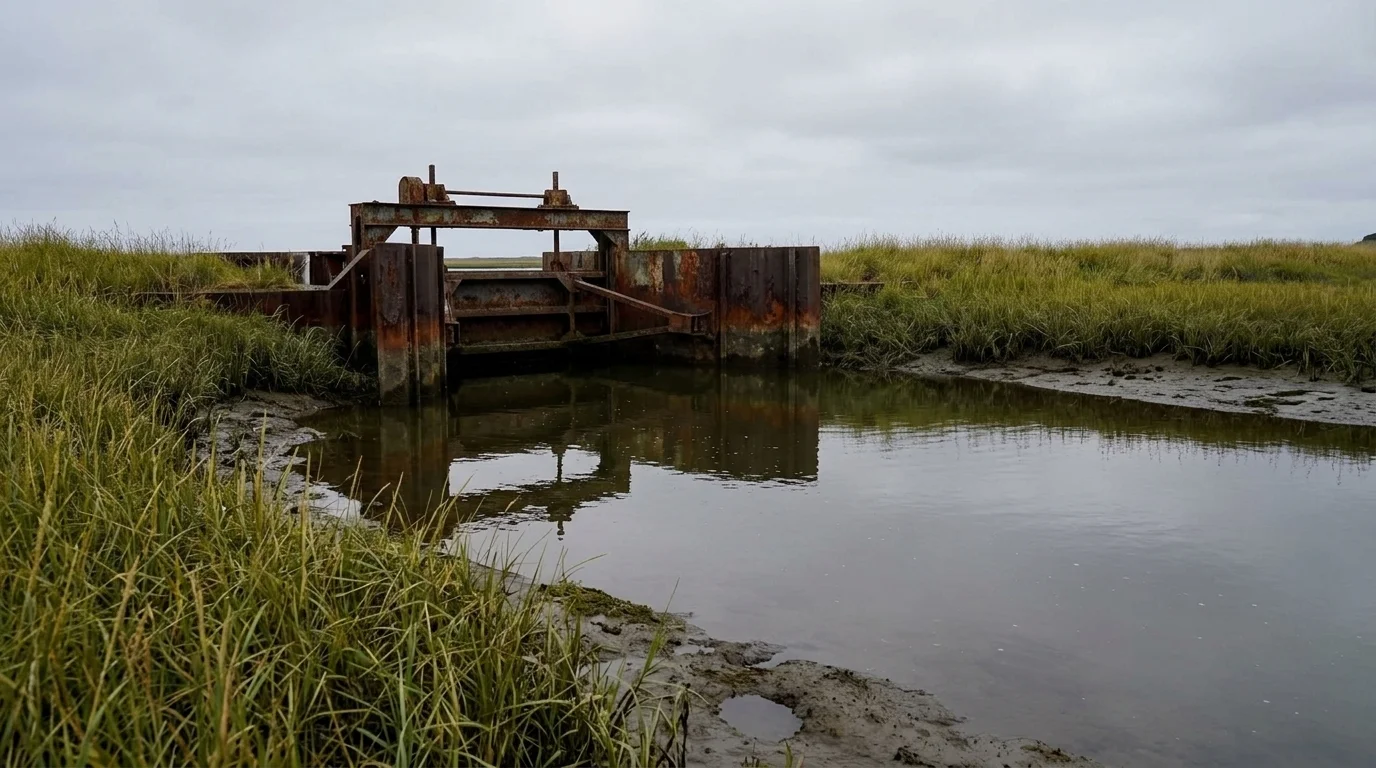
A piece of mid-century farm infrastructure is coming out of Gallagher Slough on the Oregon coast, part of a sustained state and federal campaign to restore the tidal wetlands that salmon depend on and that decades of agricultural drainage have nearly erased.
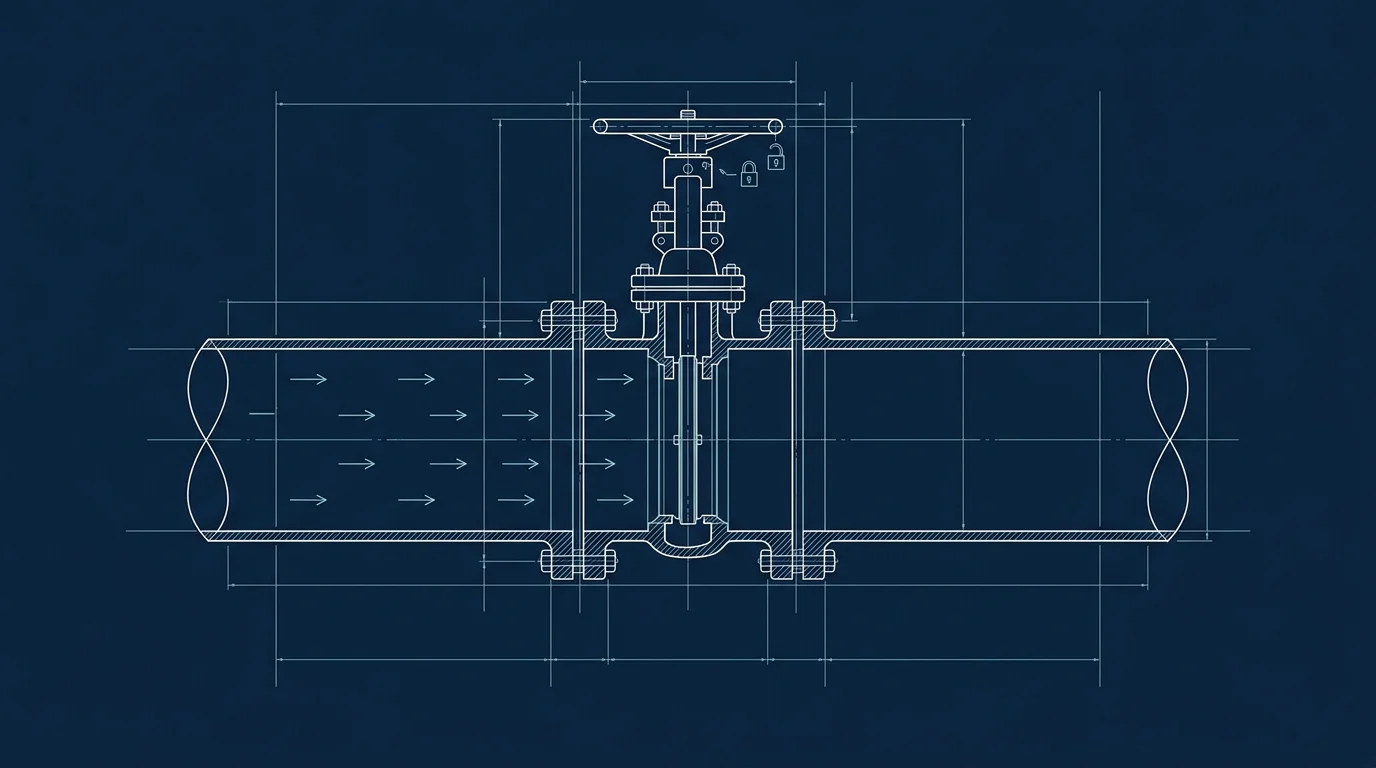
Oregon has lost an estimated 68 to 90 percent of its historical tidal wetlands, and tide gates are a primary cause. Installed mostly between the 1920s and 1960s with federal encouragement, the gates converted estuaries and sloughs into pasture by blocking saltwater while letting freshwater drain. The tradeoff was a century in the making: productive dairy land, but at the cost of the estuarine nursery habitat that juvenile coho and other anadromous fish rely on. Behind the gates, water warms and loses oxygen, making the blocked sloughs effectively dead zones for fish. The structures also physically cut off salmon from miles of potential rearing habitat.
Coho salmon on the Oregon coast have been listed as threatened under the Endangered Species Act since 1998, and since around 2015 a coalition of state agencies, NOAA, tribes and land trusts has been working systematically to remove or replace tide gates up and down the coast. Federal dollars from the 2021 Bipartisan Infrastructure Law and the 2022 Inflation Reduction Act accelerated that work, funneling hundreds of millions into fish passage restoration and coastal resilience.
The Gallagher Slough project fits that pattern: aging infrastructure that no longer serves its original agricultural purpose, blocking habitat now seen as critical for both salmon recovery and climate resilience. Restored tidal marshes buffer sea-level rise and sequester carbon, giving these projects value well beyond fisheries.
Oregon has completed similar work elsewhere along the coast, including a large-scale restoration at Tillamook Bay's Southern Flow Corridor and ongoing projects in the Coos Bay area. Tribal nations with cultural and treaty ties to coastal salmon runs, including the Confederated Tribes of the Coos, Lower Umpqua and Siuslaw Indians and the Coquille Indian Tribe, have been partners in much of this work.
The state posted the Gallagher Slough tide gate removal project for contractor bids on Sept. 17, 2026, through OregonBuys, Oregon's public procurement portal. The precise location of the slough within coastal Oregon has not been confirmed in available records. Once a contractor is selected and work is completed, tidal exchange is expected to resume and fish access to the restored wetland will reopen.