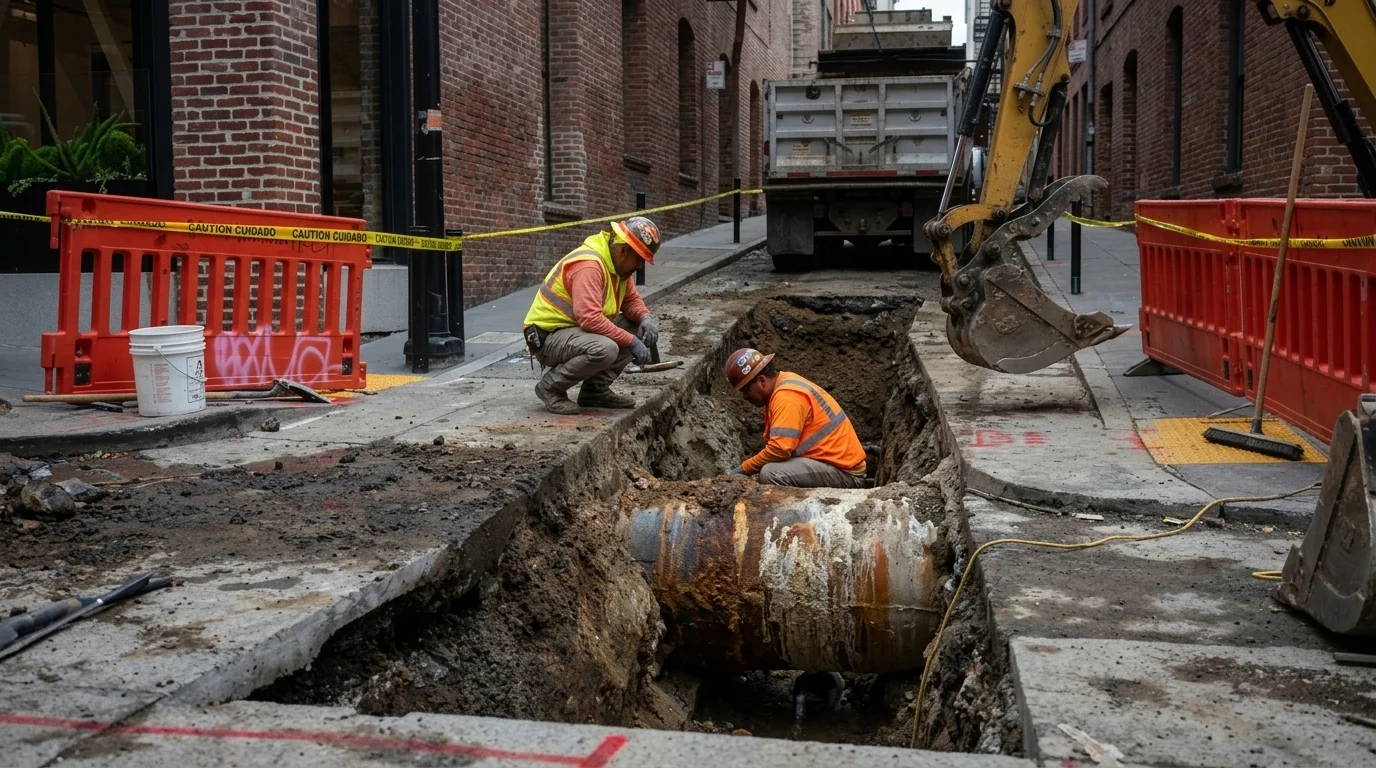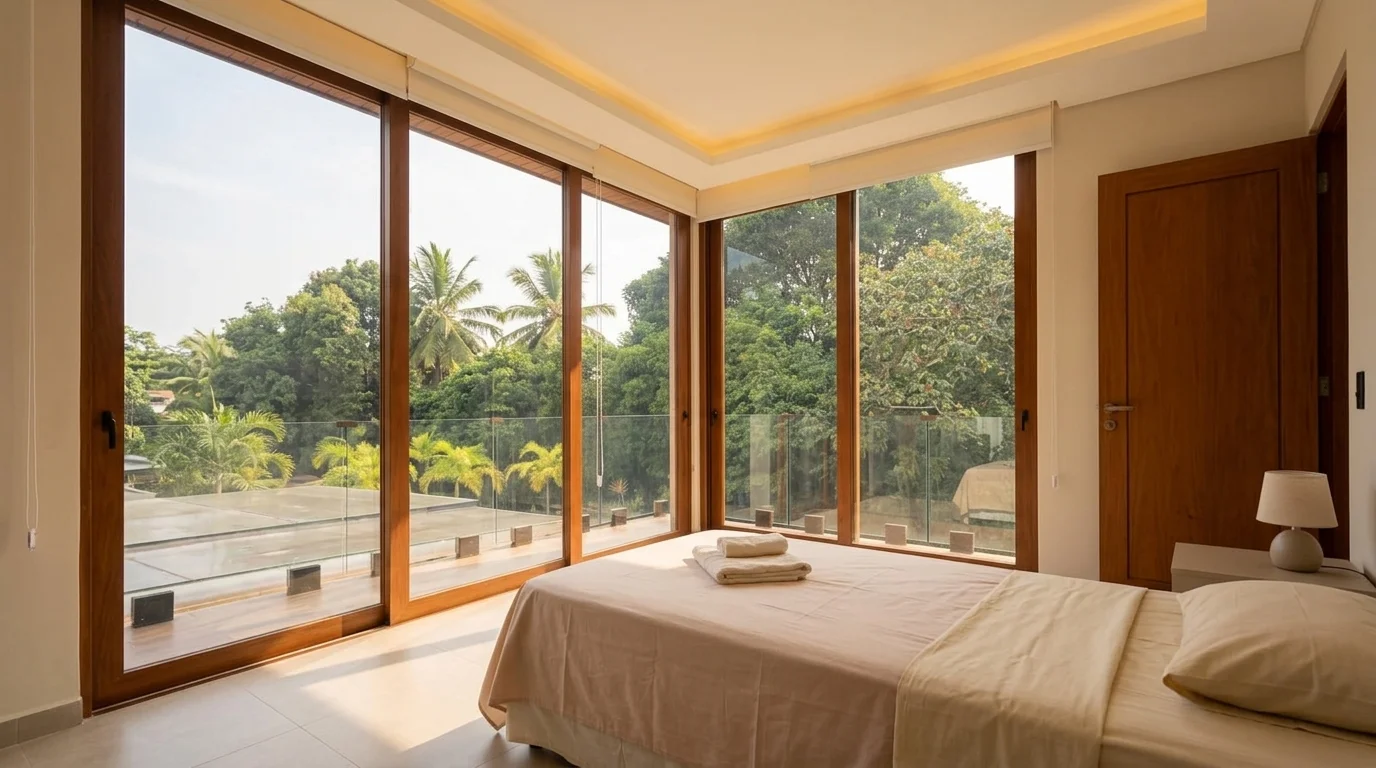
Irving, Texas is building its first dedicated domestic violence shelter, and unlike the dormitory-style facilities that have long defined emergency housing for abuse survivors, this one will offer private rooms.
The city of roughly 256,000 in Dallas County has historically had no shelter of its own, leaving survivors to navigate referrals to facilities in Dallas, Plano, or Grand Prairie during some of the most dangerous moments of their lives. Irving is now moving to change that, seeking a nonprofit operator to run the new facility through a proposal posted to the city's procurement portal.
The shelter will be city-owned and built using a mix of HOME-ARP funds, federal community project money, and the city's general fund. HOME-ARP is a $5 billion set-aside from the 2021 American Rescue Plan specifically targeting homelessness prevention, with domestic violence survivors named as a qualifying population. Jurisdictions face a 2030 deadline to spend those dollars, and Irving's project is part of a nationwide wave of shelter construction riding that funding window.
Source: NationGraph.
The non-congregate model at the center of this project represents a significant shift in how cities house abuse survivors. Shared dormitory shelters have drawn criticism from advocates for decades: they strip privacy, can feel institutional, and deter families with teenagers, older boys, or pets from seeking help at all. During the COVID-19 pandemic, federal guidance pushed shelters to de-densify, giving the private-room model both policy backing and emergency funding. The 2022 reauthorization of the Violence Against Women Act further cemented it as a best practice.
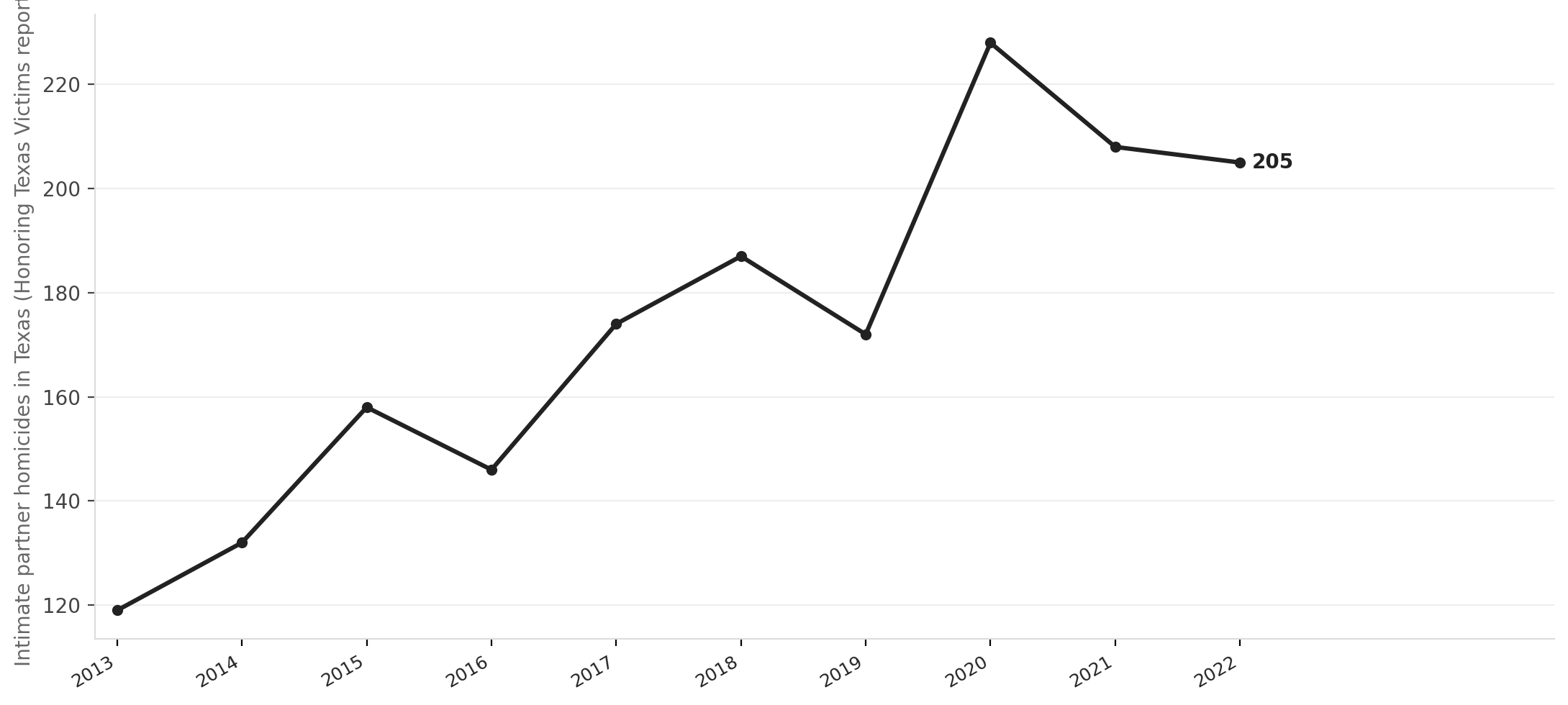
The need is acute in North Texas. Texas has consistently ranked among the highest states for intimate partner homicides, recording more than 200 in recent years according to the Texas Council on Family Violence. Shelters in the region, including Hope's Door New Beginning Center in nearby Plano, have reported chronic waitlists and turn-aways.
Irving's demographics add another layer of urgency. Large immigrant communities, with some neighborhoods more than 40% foreign-born, face compounding barriers to seeking help: language gaps, fears about immigration status, and cultural stigma that generic congregate shelters are often poorly equipped to address.
The operator Irving selects will help shape the facility's design, raise funds for operations, and lease the shelter from the city for 15 years under federal compliance requirements. After that period, the nonprofit takes ownership outright, subject to a covenant requiring it to continue operating the building as a domestic violence shelter. The structure is designed to ensure the federal investment stays tied to its intended purpose long after the compliance clock runs out.
Irving has not previously announced a construction timeline or capacity for the facility. The selection of an operator is the next step before design and construction can move forward.