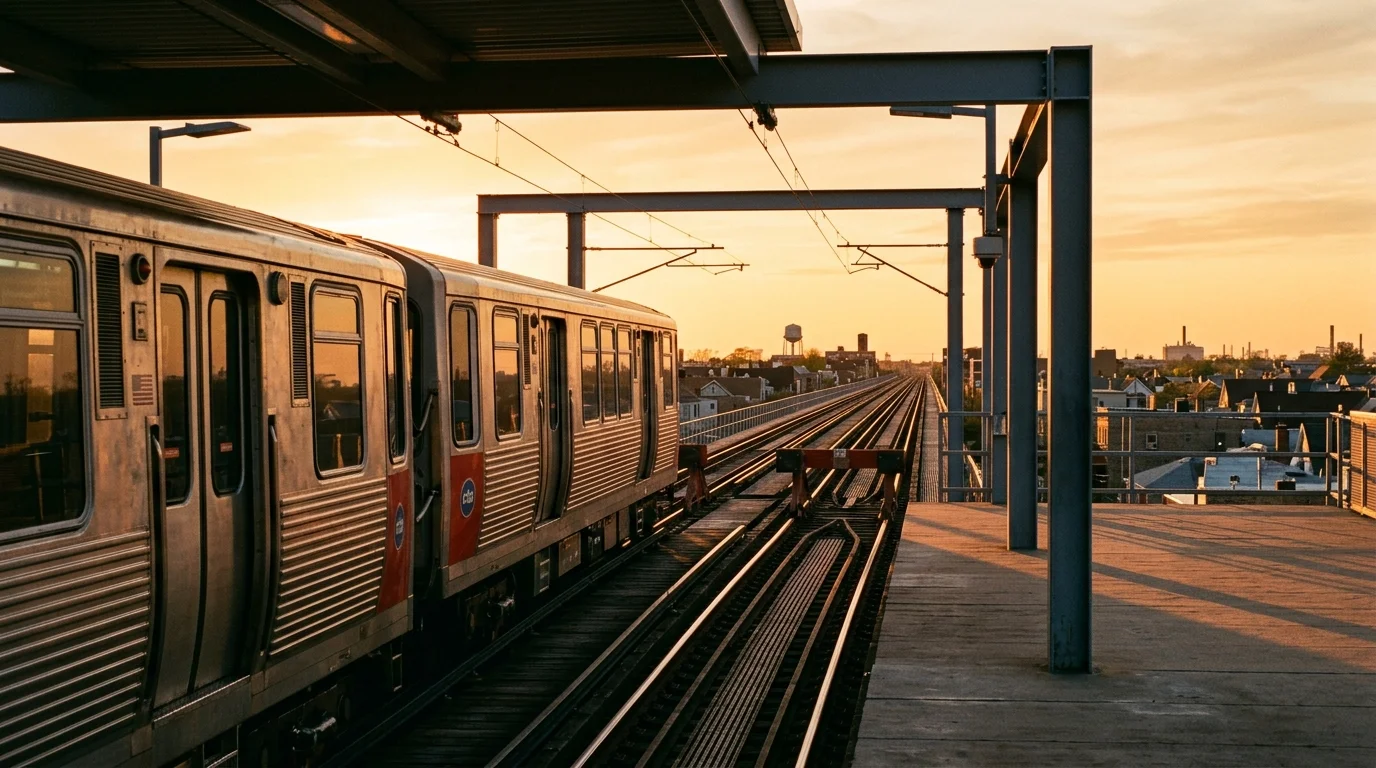
Chicago's Far South Side neighborhoods have waited more than 50 years for a Red Line extension that was first proposed in 1969, promised by mayors from Richard J. Daley onward, and repeatedly shelved. Now the Chicago Transit Authority is moving into the heavy construction phase of a project that residents of Roseland, West Pullman, Riverdale, and Altgeld Gardens have spent a generation fighting for.
The CTA has posted a request for proposals to build the 120th Street Yard, Shop, and Substation, the maintenance base and power facility that will store and service trains on the extended line. Without it, the extension cannot run. The facility is one of the last critical-path pieces standing between groundbreaking, which happened in 2025, and the scheduled 2030 opening.
The extension itself will carry the Red Line 5.6 miles south from its current terminus at 95th Street, adding four new stations at 103rd, 111th, Michigan Avenue and 130th Street. The area it serves is more than 90 percent Black and has historically had some of the longest commutes in the city. Residents of Altgeld Gardens, a public housing development built in the 1940s, have had to string together multiple bus transfers just to reach the 95th Street terminal, adding 30 to 60 minutes each way to trips downtown.
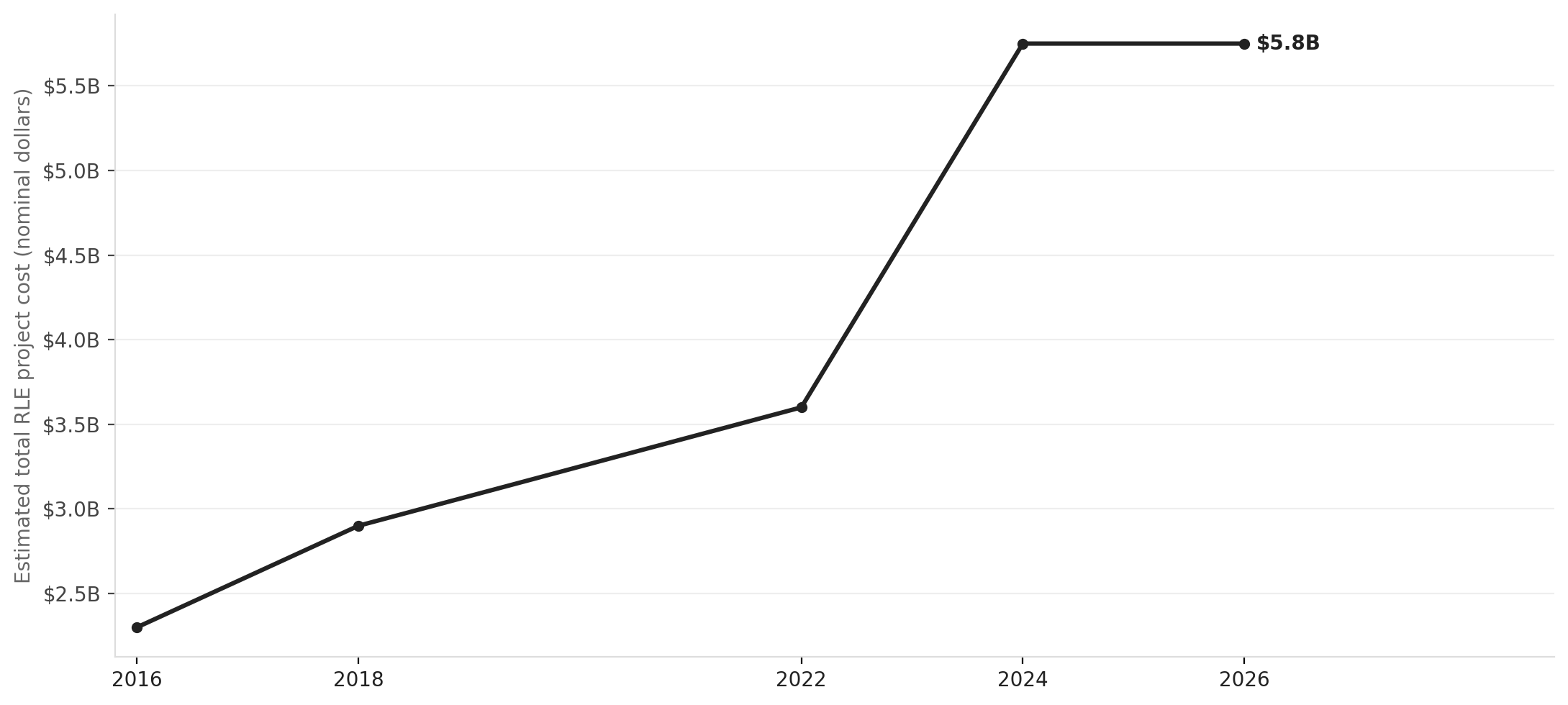
Source: NationGraph.
The project carries a total price tag of roughly $5.75 billion, more than double early estimates from the mid-2010s. About $1.9 billion comes from a federal Full Funding Grant Agreement signed in 2024 under the Bipartisan Infrastructure Law. Illinois's Rebuild Illinois capital plan and a Transit Tax Increment Financing mechanism, authorized by the state in 2016 specifically to make this project viable, cover significant portions of the local match.
The rail yard contract is among the largest remaining awards as the CTA transitions from design and utility work into full construction. The agency is also navigating broader institutional pressures: recovering ridership and staffing levels after the pandemic, questions about governance raised by a proposed regional transit merger under Governor Pritzker, and scrutiny over how the Transit TIF affects Chicago Public Schools funding.
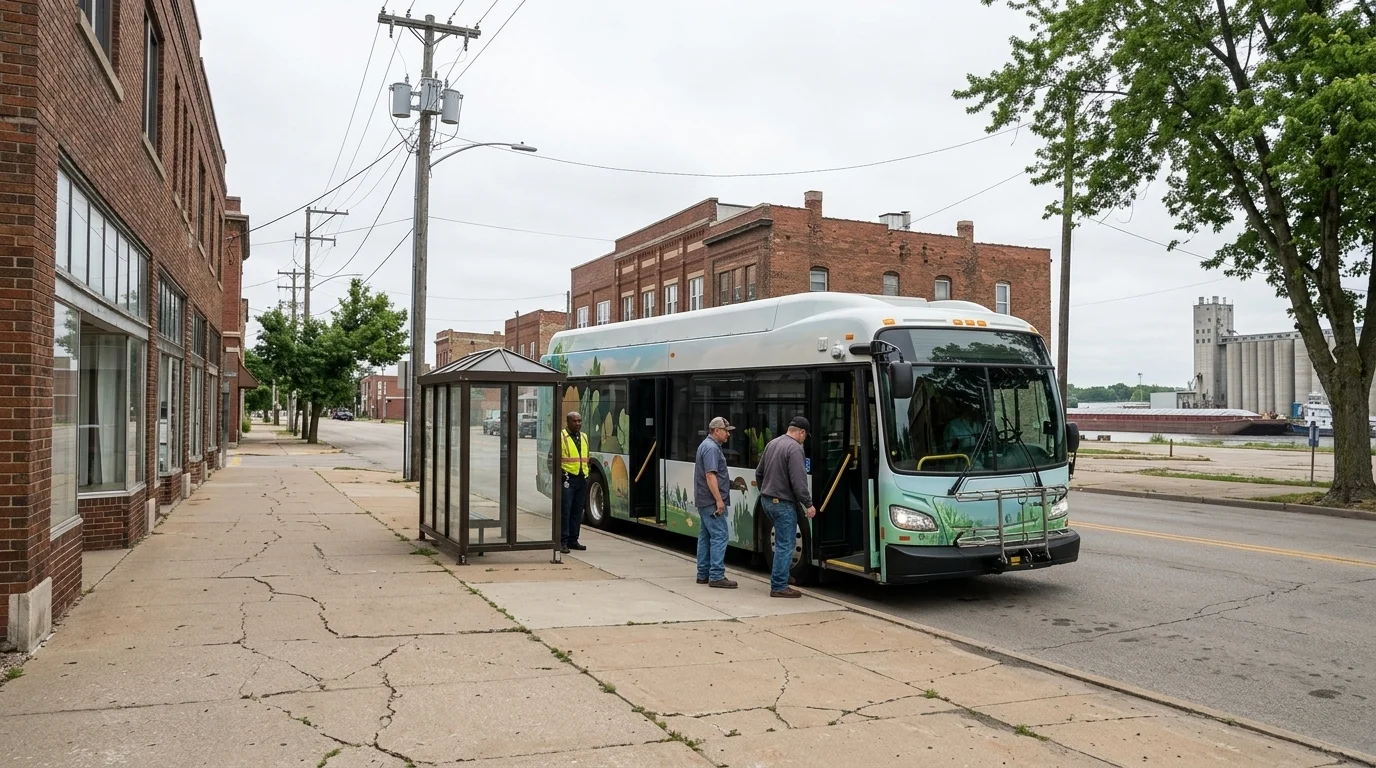
The CTA has also been investing in the broader system while managing the extension, including a move to replace up to 250 diesel buses with electric vehicles. Meanwhile, the Far South Side has seen other long-deferred public works finally advance, including a new sewage overflow tunnel after decades of flooding.
If construction proceeds on schedule, trains could begin running to 130th Street by 2030, ending the longest transit gap of any major American city.