Federal hurricane recovery grants flowing into North Carolina have hit $40.5 million in the trailing 90 days, a 167% jump from the same window a year ago, and the composition of those dollars tells the real story: these are not emergency stopgaps. They are permanent reconstruction obligations with end dates in the 2030s.
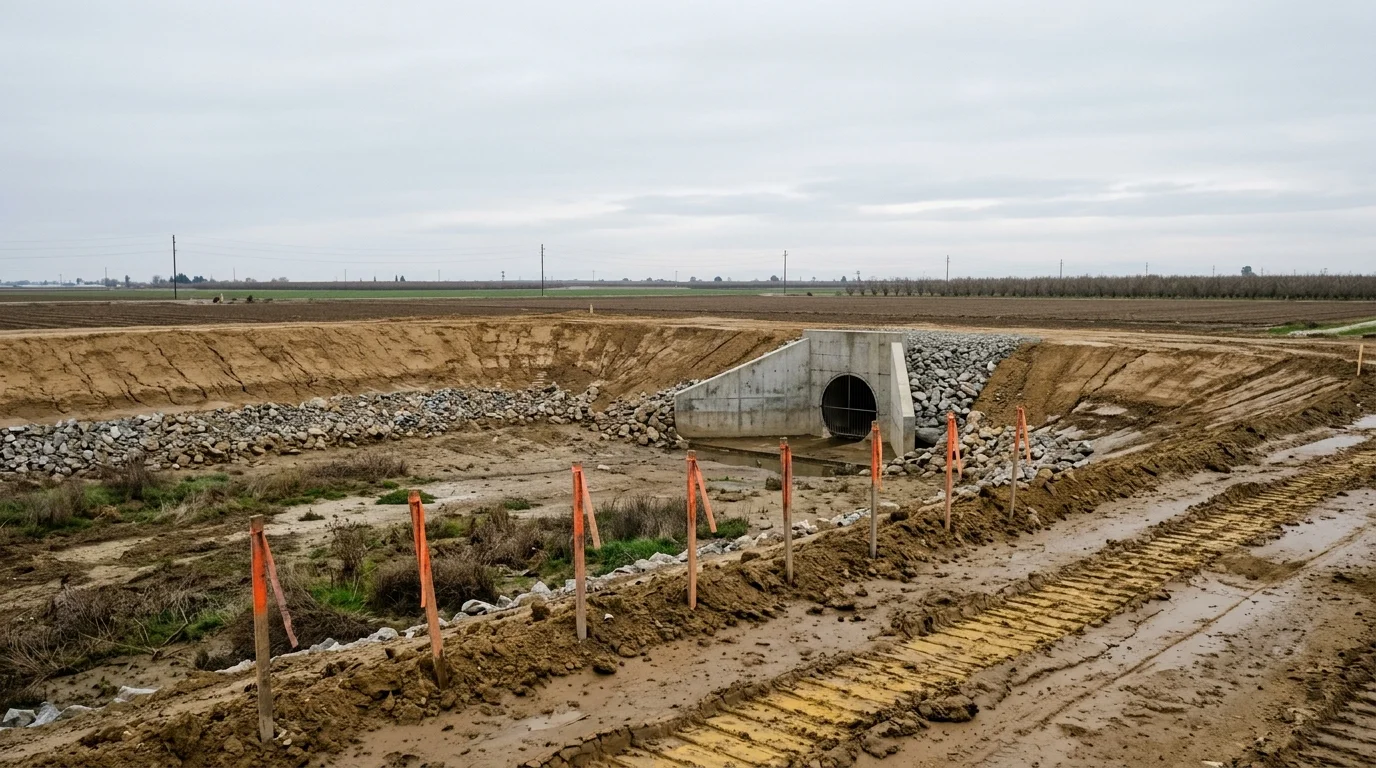
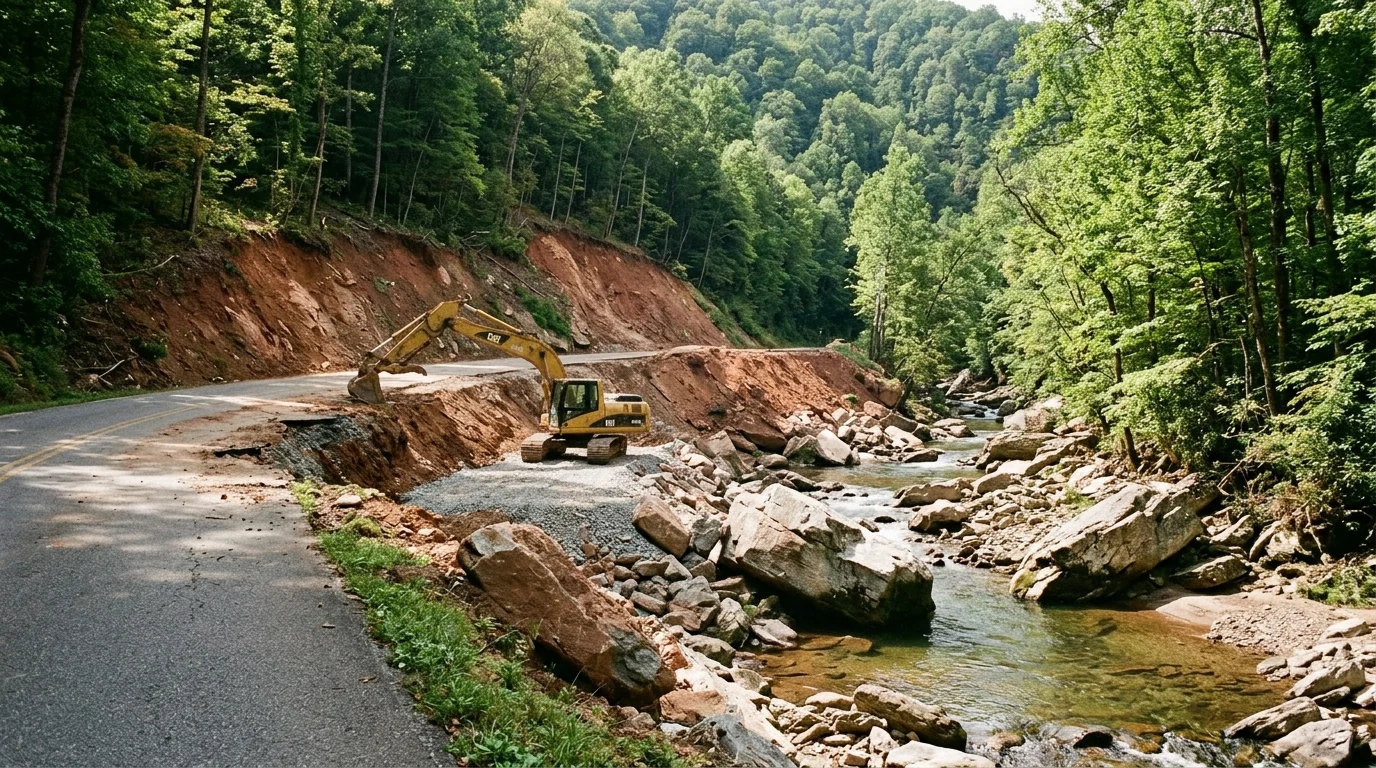
The two grants driving that surge anchor on opposite ends of western NC's recovery arc. A $29.9 million Federal Highway Administration Emergency Relief grant, obligated May 6, funds permanent reconstruction of US 176 in Polk County through 2034. A $10.6 million USDA Emergency Watershed Protection grant, obligated May 11, commits to streambank and shoreline stabilization in Chimney Rock Village in Rutherford County. Together, they mark the arrival of a different kind of federal money than what moved in the months after the storm.
The distinction matters because of how these programs work. FHWA's Emergency Relief program reimburses permanent infrastructure repairs only after emergency stabilization is complete. USDA's EWP program, which carries a 100% federal cost share with no local match required, operates on a similar logic: communities must clear bureaucratic thresholds before the permanent-repair queue opens. For Chimney Rock, that process took until spring 2026. Neighboring Buncombe County had EWP access months earlier. The $10.6 million now formally obligated to Chimney Rock Village is not a sign that the government moved slowly on one community. It is a sign that the repair sequence for 100 simultaneously declared disaster counties is only now reaching the places that Helene hit hardest.
Source: NationGraph.
Chimney Rock's situation captures that arc in concentrated form. The village sits at the mouth of the Hickory Nut Gorge, where the Rocky Broad River, redirected by Helene's floodwaters, carved new channels through the main street and left the iconic rock formation surrounded by debris fields. NCDOT has since unveiled a $250 million-plus rebuild plan for the corridor with construction extending through fall 2029. The EWP grant obligated this month is the first major federal reconstruction dollar formally committed to the village itself.
The broader funding architecture behind these project-level grants is substantial. Congressman Chuck Edwards announced $1.15 billion in FHWA Emergency Relief funding to NCDOT in September 2025, with repairs focused on the I-40, US 64-74, and US 19 corridors across counties from Avery to Buncombe. Individual project obligations from that pool are now being processed county by county. FEMA separately crossed $1 billion in total NC Helene funding by December 2025. Governor Josh Stein signed a supplemental state recovery bill allocating $700 million to the Helene relief fund at Chimney Rock State Park's reopening ceremony, reinforcing that the state views this as a multi-year commitment, not a closed account.
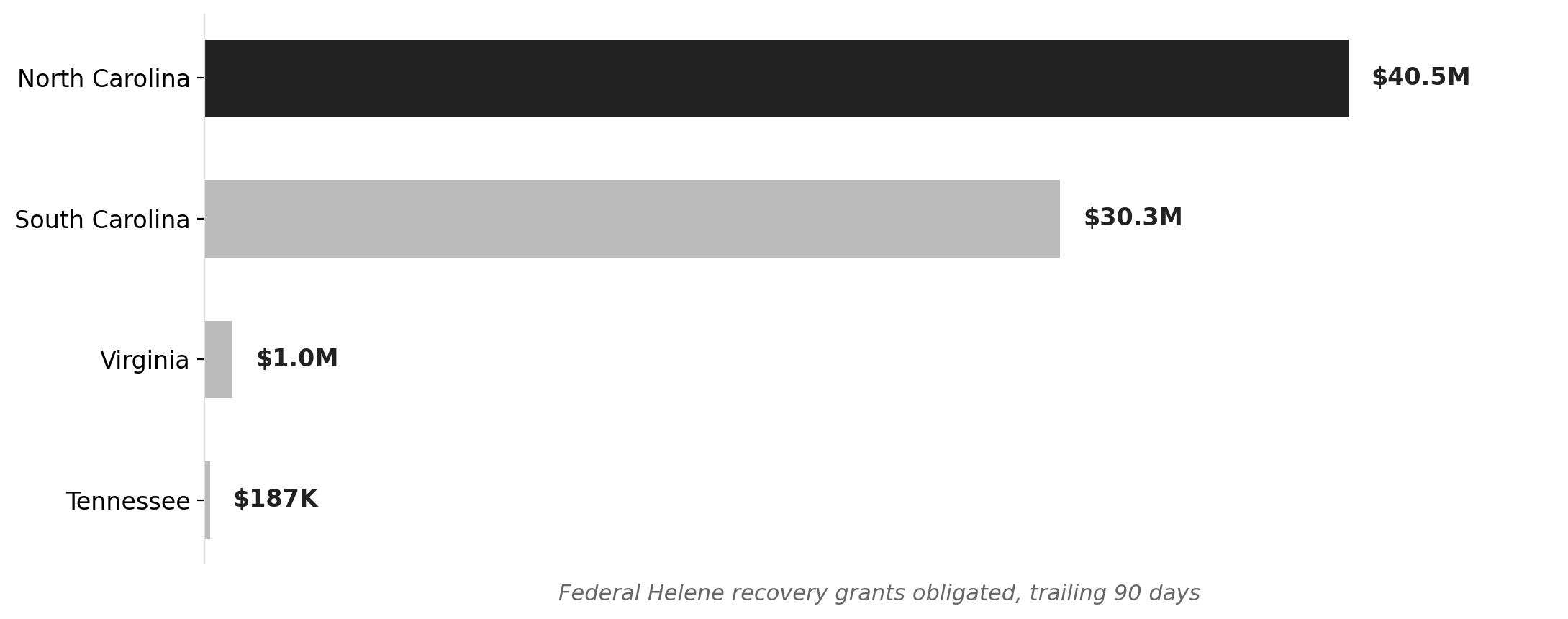
The active NC hurricane grant portfolio now stands at roughly $1.07 billion from DOT, $805 million from EPA, and $95 million from USDA, with most obligations running through the 2030s. North Carolina leads all neighboring states in 90-day grant volume by a wide margin: South Carolina received $30.3 million in the same window, Virginia $1 million, Tennessee $187,000. The gap reflects both the scale of Helene's damage to NC's mountain infrastructure and the state's relative progress in moving from emergency stabilization to permanent reconstruction.
For residents of western NC, the practical meaning of this shift is visible in the project timelines. The US 176 grant in Polk County runs through 2034. The Chimney Rock watershed work will take years to complete. These are not promises of a quick return to normal; they are commitments to a specific rebuilt normal, with federal dollars locked in and contractors eventually to follow. The mountain communities most dependent on road access, places where Helene destroyed more private roads and bridges in a single event than any prior NC disaster on record, are now watching permanent reconstruction funding move into their counties for the first time.
The next signal to watch is how quickly the remaining FHWA ER project obligations from the $1.15 billion award clear the processing queue. If the pattern from Polk and Rutherford counties holds, the 90-day grant totals for NC should continue running well above prior-year levels through at least 2027, as the repair sequence works through the remaining backlog of damaged corridors. A USDA disaster block grant deadline of June 12 for $221 million in Helene agricultural recovery funds adds another near-term inflection point for the region's farm and nursery operators, who lost an estimated 80% of mountain nursery stock in the storm.