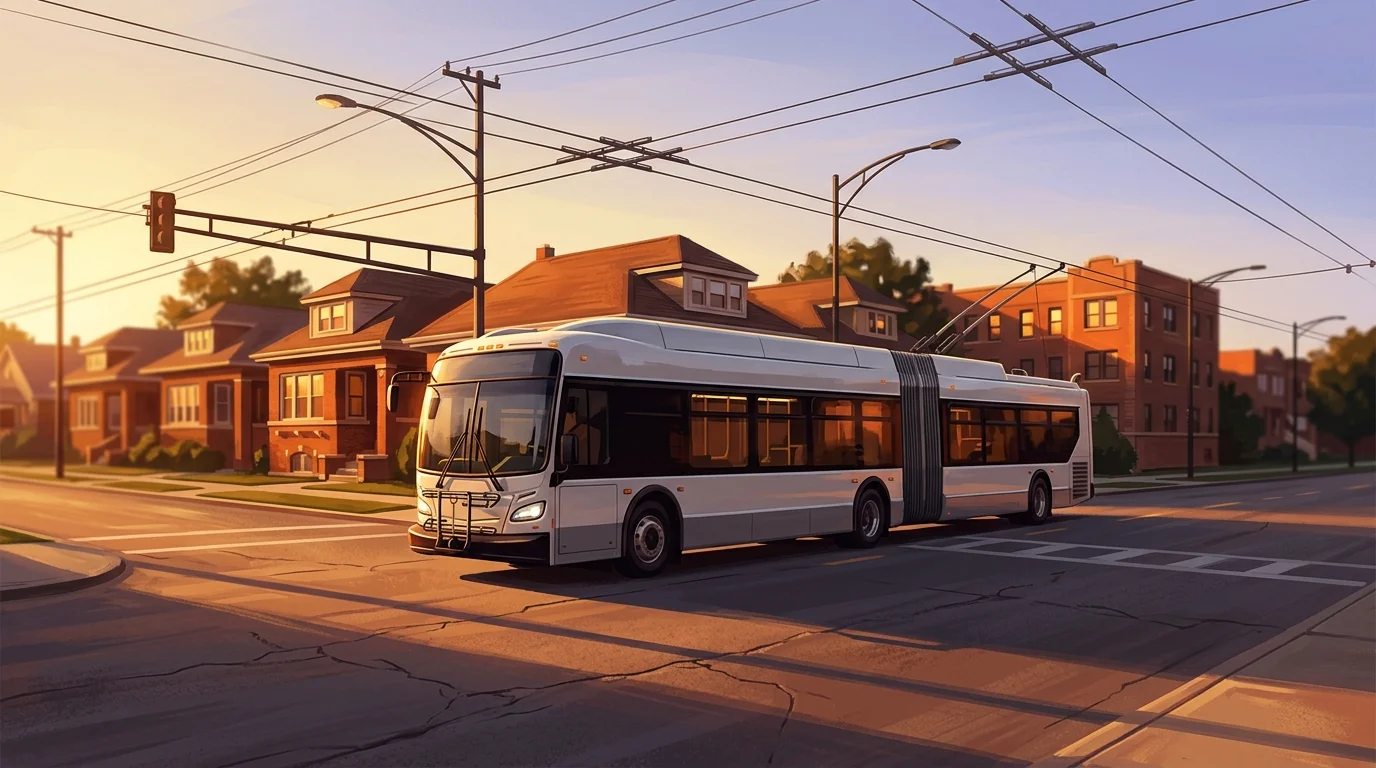
The Chicago Transit Authority is moving to dramatically expand its electric bus fleet, seeking manufacturers for up to 250 battery-powered buses in what would rank among the largest clean-bus procurements in U.S. transit history.
The agency has posted a solicitation for a base order of 30 buses, with six additional purchase options that could bring the total to 250 vehicles and associated spare parts. CTA currently operates roughly 1,800 buses, the vast majority of them diesel or diesel-hybrid, and has committed to a fully zero-emission fleet by 2040.
The stakes go beyond climate. CTA's bus network disproportionately serves South and West Side neighborhoods that already contend with Chicago's worst air quality and highest asthma rates. Decades of diesel exhaust along those corridors have made bus electrification an environmental justice priority, and Illinois's 2021 Climate and Equitable Jobs Act has pushed the issue further up the state's agenda.
Source: NationGraph.
The agency has been building toward this moment for more than a decade, purchasing its first two electric buses in 2014 and adding small pilot batches since. But the path has not been smooth. CTA took delivery of 20 Proterra electric buses in 2020, only to see the manufacturer file for bankruptcy in 2023, leaving the agency scrambling for parts and maintenance support. A follow-up order of 23 Nova Bus models helped fill gaps. This procurement, if fully exercised, would roughly 10 times the existing electric fleet and signal a shift from testing to full deployment.
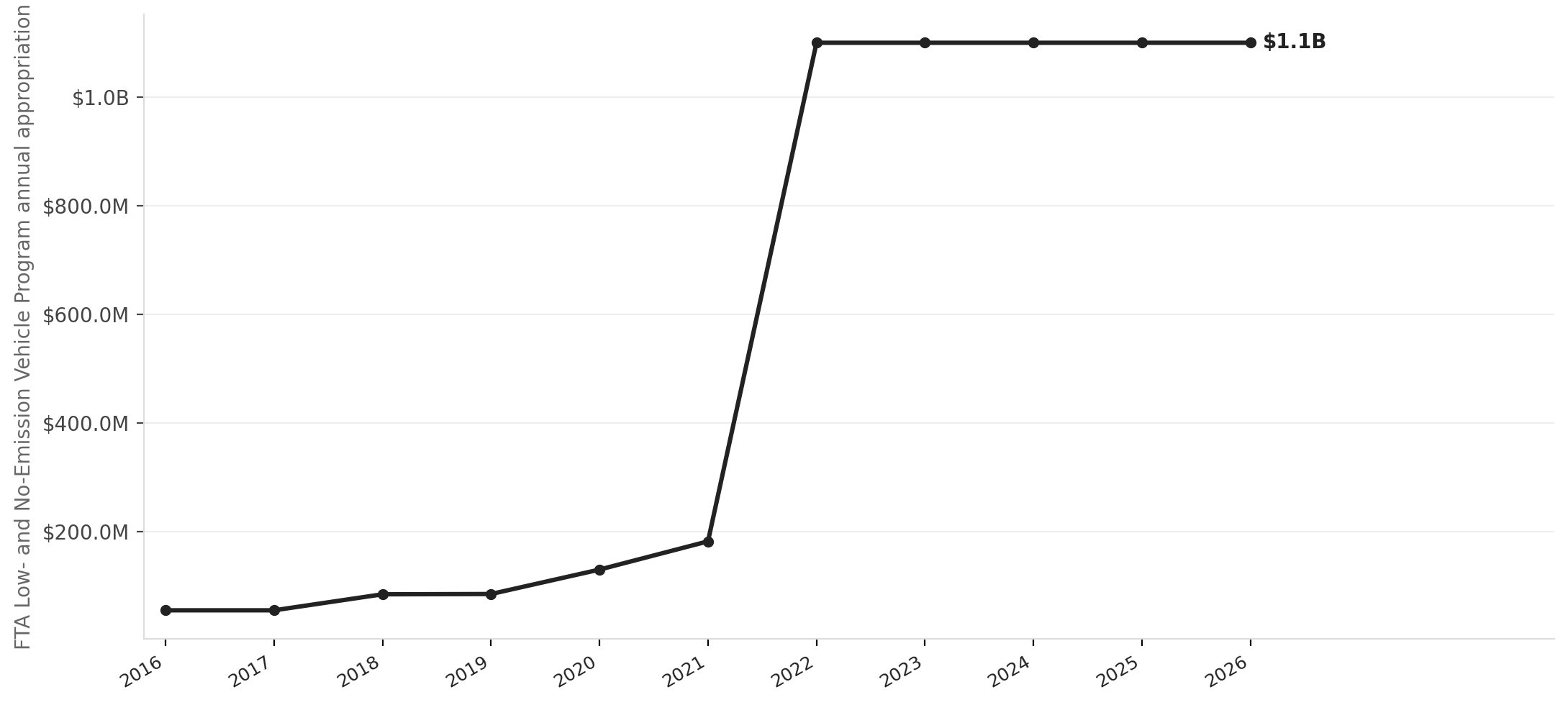
The timing is complicated by money. CTA, along with regional partners Metra and Pace, faces a combined operating shortfall exceeding $730 million in 2026 as federal pandemic relief runs out and ridership remains well below pre-COVID levels. Capital funds for new buses, much of them flowing from the federal Bipartisan Infrastructure Law's expanded transit electrification program, are technically separate from operating budgets, but the fiscal pressure shapes every decision the agency makes. Notably, Pace Suburban Bus is simultaneously pursuing a similarly scaled electric bus purchase, underscoring how the Chicago region's transit agencies are betting on electrification even amid financial strain.
The procurement also tests domestic manufacturing capacity. Proterra's collapse thinned the U.S. electric bus market, leaving a smaller field of bidders who must meet federal Buy America requirements. Whether manufacturers like New Flyer, Gillig or Nova can supply buses at this scale will shape how quickly CTA can actually execute.
Illinois lawmakers are still working through broader transit governance and funding reforms, with proposals to consolidate CTA, Metra and Pace under a new regional authority. How that restructuring unfolds could affect the agency's long-term electrification timeline and purchasing power.