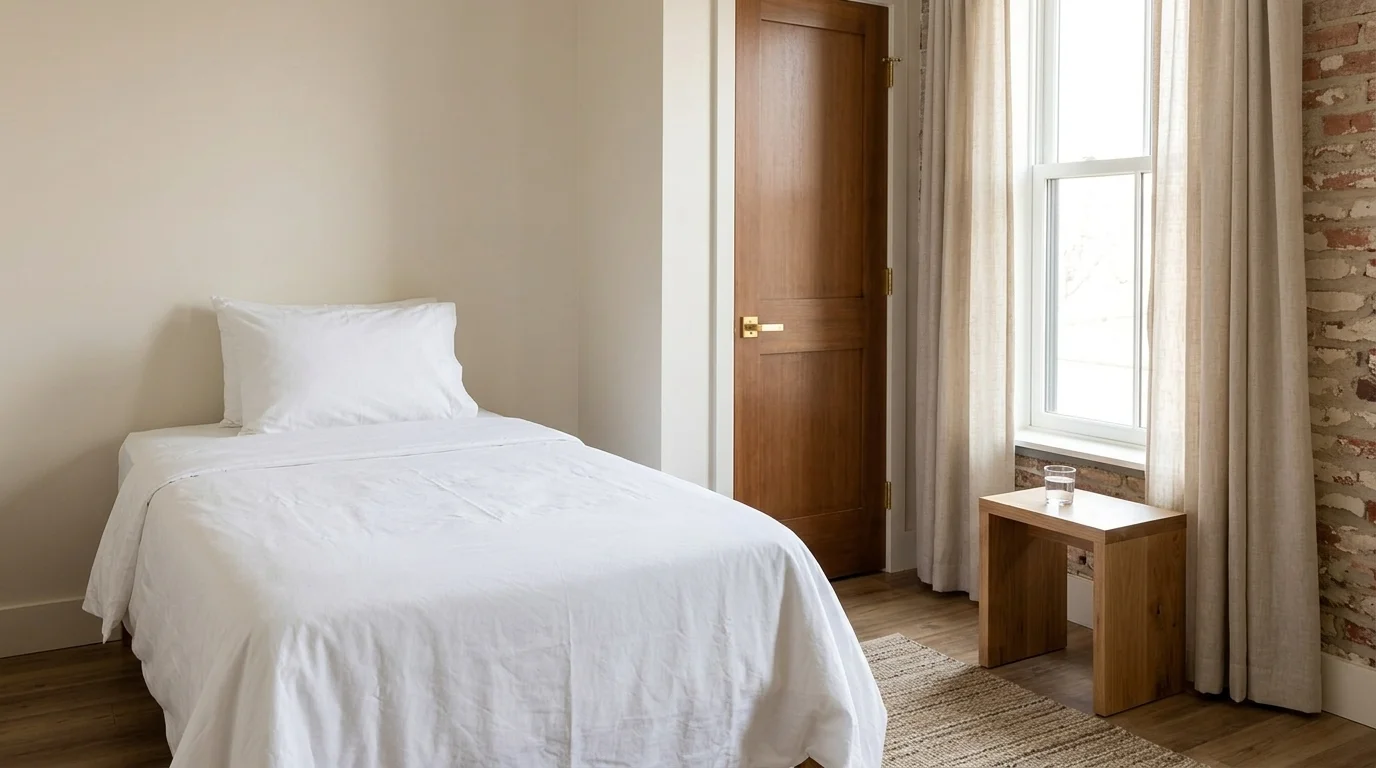
Irving, Texas is moving to open a domestic violence shelter where survivors get a private room instead of a shared dormitory, joining a national wave of cities abandoning a housing model that advocates say drives victims back to their abusers.
The city of roughly 240,000, the ninth-largest in Texas, is searching for a nonprofit or operator to run the new facility, which would offer private rooms rather than the communal living arrangements that have defined DV shelters since the first one opened in the United States in 1974. Irving posted the solicitation on its procurement portal in late August 2026.
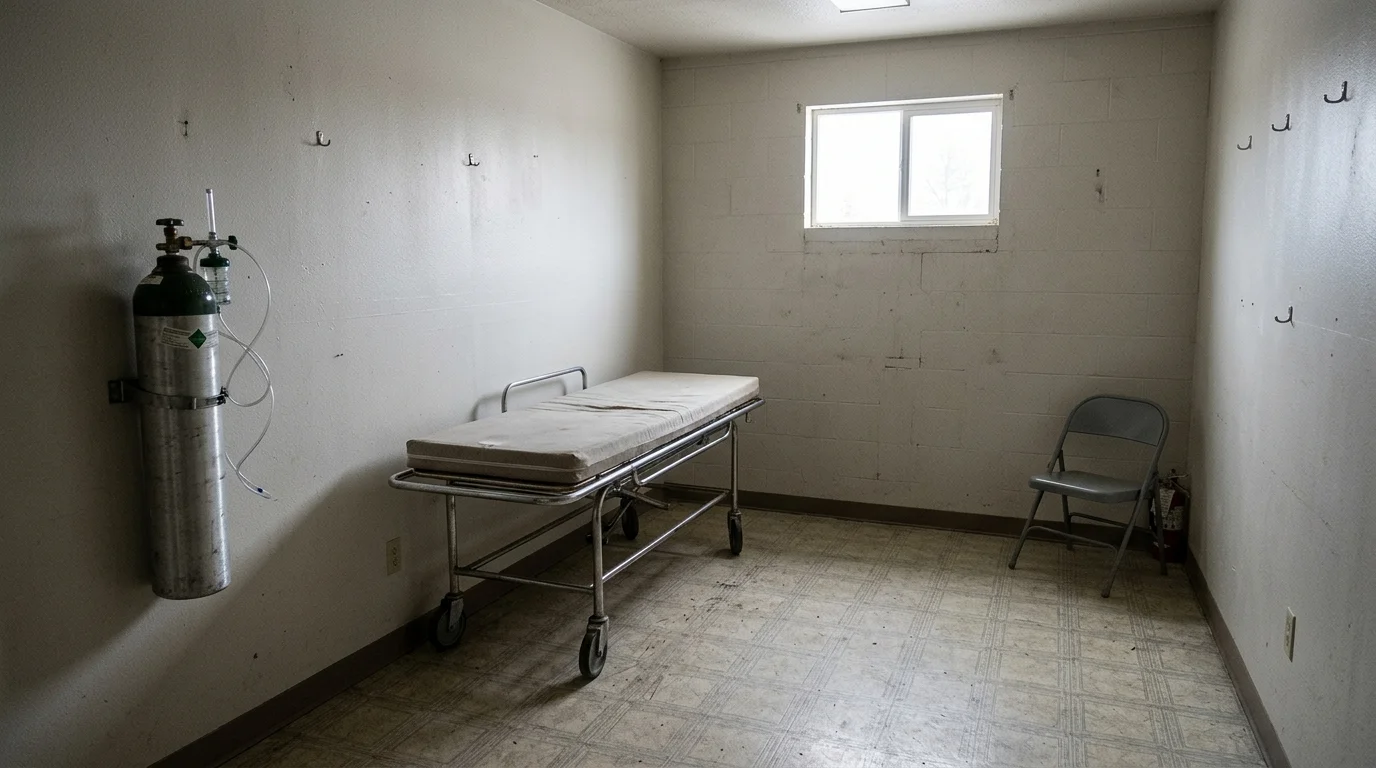
The shift matters because the old model fails a large share of the people it's meant to protect. Survivors regularly cite the loss of privacy, shared bathrooms and dormitory-style crowding as reasons they decline shelter or leave early, sometimes returning to dangerous situations. Traditional congregate shelters have also struggled to accommodate men fleeing abusive partners, LGBTQ+ survivors, larger families, people with disabilities, and teenage boys, who are turned away at many facilities once they reach age 12.
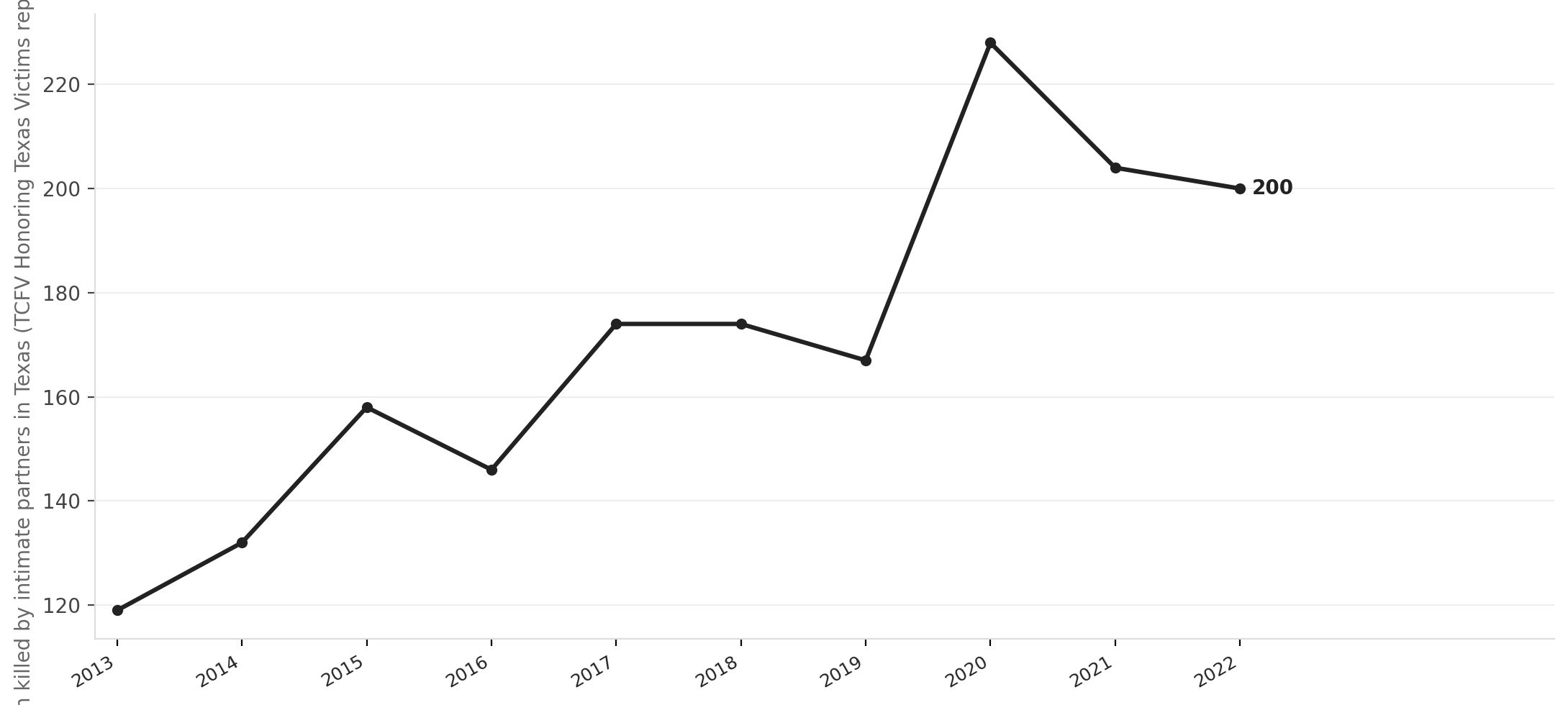
Source: NationGraph.
In Irving, those barriers carry extra weight. More than a third of the city's residents are foreign-born, with large South Asian, Latino and East African communities where visa dependency, language access and cultural stigma already make leaving an abuser harder. For those survivors, a shared room with strangers can be its own deterrent. Family violence consistently ranks among the Irving Police Department's highest-volume call categories.
The non-congregate approach gained its biggest foothold during the COVID-19 pandemic, when FEMA and HUD authorized private-room sheltering to limit transmission. That emergency experiment became a proof of concept. The 2022 reauthorization of the Violence Against Women Act and updated federal guidance from the Office on Violence Against Women have since pushed programs to adopt trauma-informed, non-congregate designs. Dallas-area providers have been moving in the same direction: Genesis Women's Shelter opened an expanded non-congregate campus in recent years, and The Family Place has publicly discussed stepping away from the dormitory format.
The transition hasn't been easy statewide. VOCA funding cuts in 2023 and 2024 forced Texas domestic violence programs to reduce services, and the Texas Council on Family Violence has warned of a persistent funding gap. Irving has previously funded DV services through federal Community Development Block Grant dollars and has contracted with Brighter Tomorrows, a Grand Prairie-based provider, as its primary DV services organization. Whether Brighter Tomorrows or another North Texas provider will operate the new shelter remains an open question as the city reviews responses.