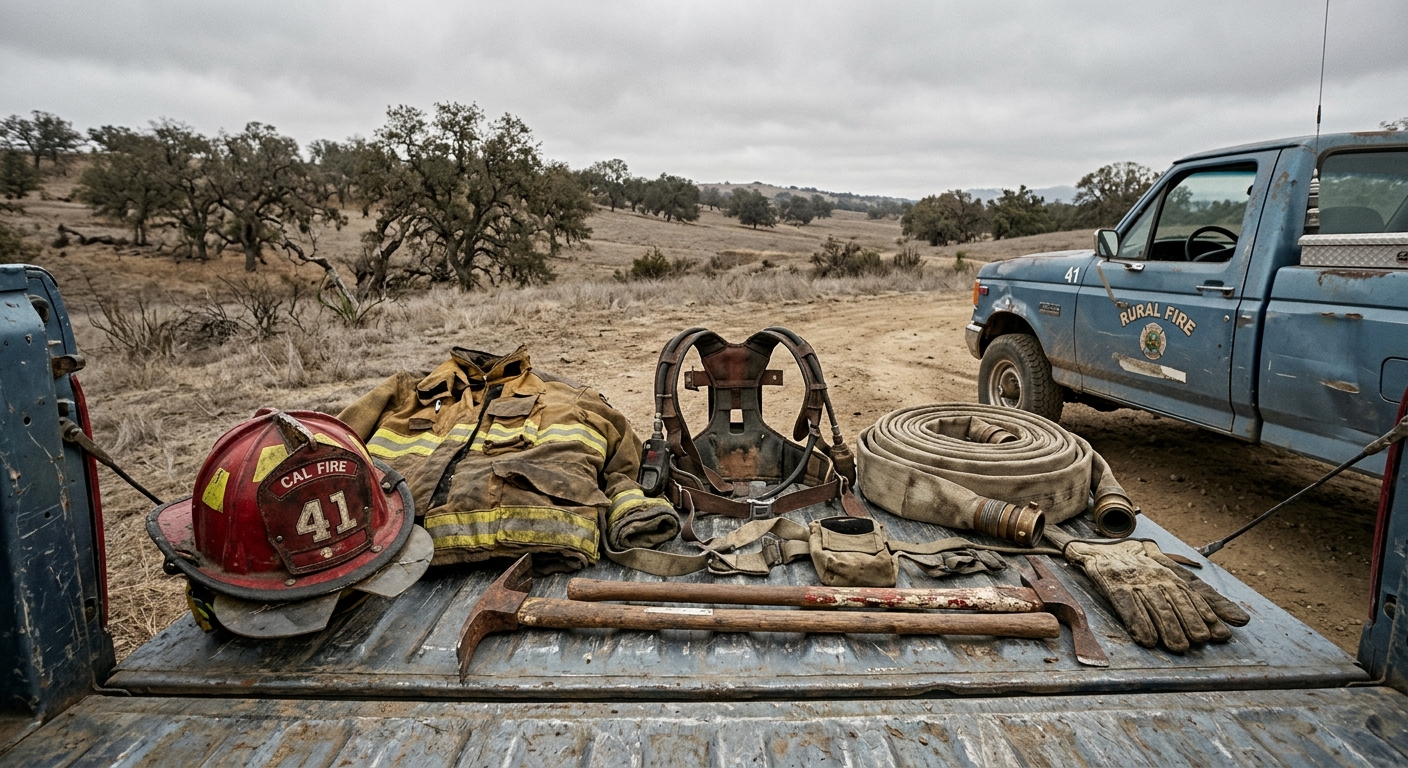
Utah has issued five wildfire fuels-reduction contracts in the past 30 days, more than double its 12-month monthly average of about 2.1, and the state is doing it in the weeks immediately following its worst fire season in recorded history. That timing is not a coincidence. It is the operational signature of a new state funding law finally meeting the conditions it was designed for.
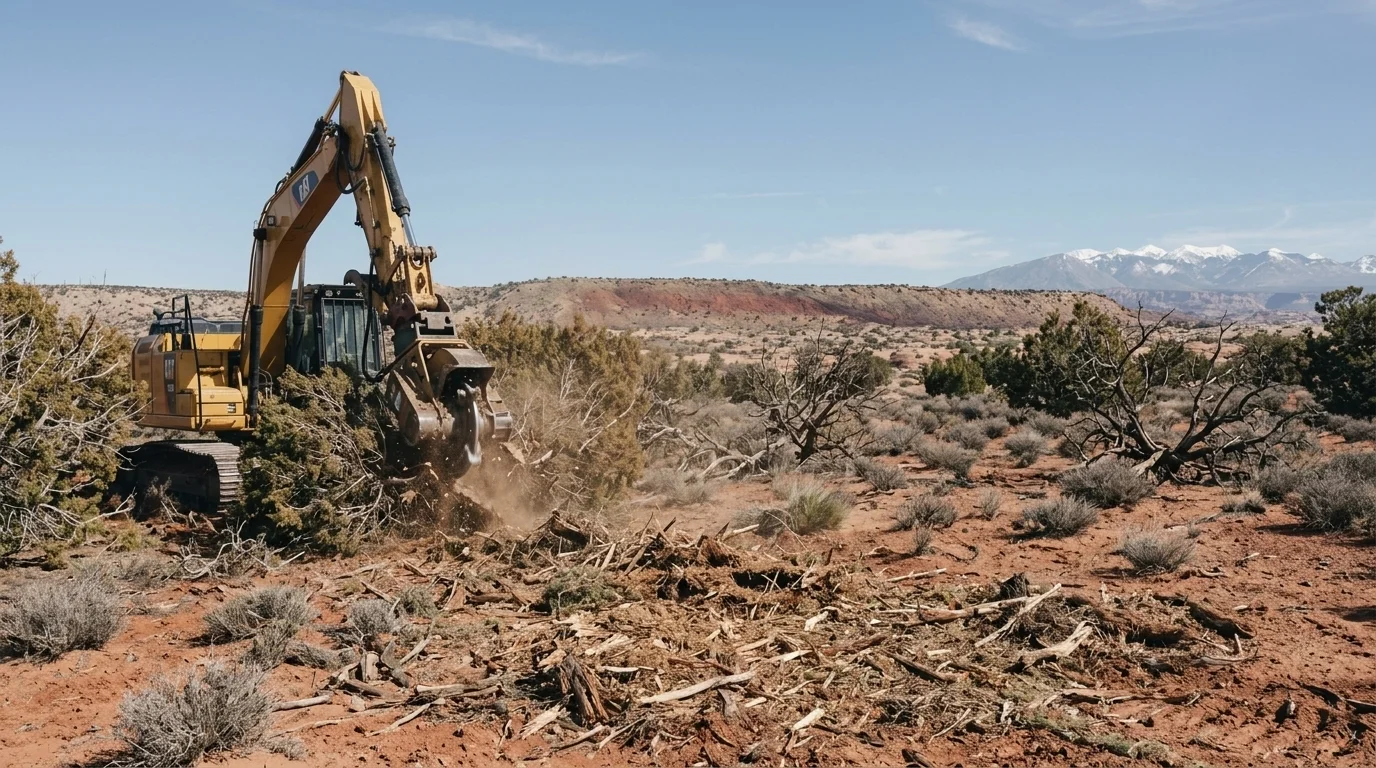
All five solicitations are state-funded, issued through the Utah Division of Purchasing, and target pinyon-juniper and Gambel oak stands across roughly 3,100 acres at named sites including Red Canyon West, Meadow Canyon, Fivemile Pasture, and Oak Creek. The treatments, mastication and lop-and-scatter, are pre-fire work: reducing the fuel load before the next ignition, not cleaning up after the last one. No neighboring state comes close to this volume. Arizona, Colorado, and Nevada each issued zero wildfire RFPs in the same 30-day window. Idaho issued one.
The mechanism behind the surge is Utah HB 307, passed in the 2025 General Session and sponsored by Rep. Casey Snider. It created the Utah Wildfire Fund, seeded with roughly $150 million in consolidated state appropriations at the start of FY 2026. What makes the fund structurally new is its scope: for the first time, a single state account can cover pre-fire fuels reduction, active suppression on state and private lands, and post-fire rehabilitation, three phases that previously ran through separate predecessor accounts with separate authorities and separate procurement timelines. In May 2026, Gov. Spencer Cox noted the fund held more than $120 million and called it preparation for "years like this."
"Years like this" arrived on schedule. Utah's 2026 wildfire season produced 1,114 fires burning more than 559,000 acres. University of Utah researchers documented a record 285,000 acres of woodland and forest burned, the worst year for treed ecosystems in at least four decades, with 10 percent of Utah's high-elevation forest having burned in the last decade alone. The Cottonwood Fire in Beaver County consumed 97,000 acres and destroyed more than 150 structures. The Babylon Fire in San Juan County exceeded 107,000 acres. State Forester Jamie Barnes called it potentially record-breaking; state wildfire costs alone approached $50 million, with federal costs estimated at roughly $216 million on top of that.
The state fund is the first layer of a three-layer financial stack, and the layers must be kept distinct. The second layer is federal grants: Utah agencies hold roughly $257.6 million in active federal wildfire and forestry grants across 57 awards, but only about $23.5 million has been outlayed so far. That full pipeline includes approximately $14.6 million from the USDA Wildfire Crisis Strategy Landscapes program for large-scale fuels reduction on federal and adjacent lands, and about $4.4 million in newly committed USDA Infrastructure Investment and Jobs Act grants for post-fire restoration and prescribed fire, with August 2026 start dates. The federal money and the state money fund overlapping but legally separate work, federal grants generally reach federal and adjacent lands; the state Wildfire Fund reaches state and private lands.
The third layer is legislative. Sen. John Curtis's Fix Our Forests Act has already passed the House and carries broad bipartisan Senate support. His separately introduced Wildfire Emissions Prevention Act, which would streamline permitting for prescribed burns, passed the Senate Environment and Public Works Committee unanimously in September 2026. Neither bill funds the current state contracting surge, that money is already committed, but both would expand the universe of fuels-reduction work Utah agencies can legally and financially execute in future seasons.
One threat hangs over the federal side of the stack. The Trump administration's proposed FY 2026 and FY 2027 budgets sought to eliminate $3 million to $4 million in annual state forestry transfer payments to Utah and consolidate wildland fire management into a new Interior agency. The House appropriations subcommittee rejected that consolidation in May 2026, keeping the U.S. Forest Service and Department of Interior structures intact for now. If similar proposals resurface in FY 2027 and advance further, Utah's state procurement volume, already at a 2.4x spike, may need to increase further to compensate for reduced federal cost-sharing.
For the roughly 600 wildland-urban interface communities across the state, the contracting surge translates to physical work on the ground before next fire season: chainsaws and masticators reducing fuel continuity in the pinyon-juniper zones that carry fire fastest in Utah's terrain. The 2026 season demonstrated at scale what a dry April, just 2.7 inches of snowpack on April 1, the lowest since 1930, can do to a landscape that dried out a full month ahead of schedule.
The next signal to watch is whether the September RFP pace holds into October. If the Utah Wildfire Fund's flexible authority is functioning as designed, the procurement calendar should no longer reset to zero between fire seasons, and the late-season surge should become a baseline rather than an anomaly.