Mississippi's Gulf Coast counties issued 15 hurricane recovery RFPs in the last 30 days, against a 12-month monthly average of about 2.3, a 543% spike concentrated almost entirely in Harrison, Stone, and Hancock counties. The reason is not one catastrophic storm. It is three storms' worth of federal reimbursement money arriving at the same bureaucratic moment, with deadlines that force local governments to put contracts out to bid or forfeit the funds.
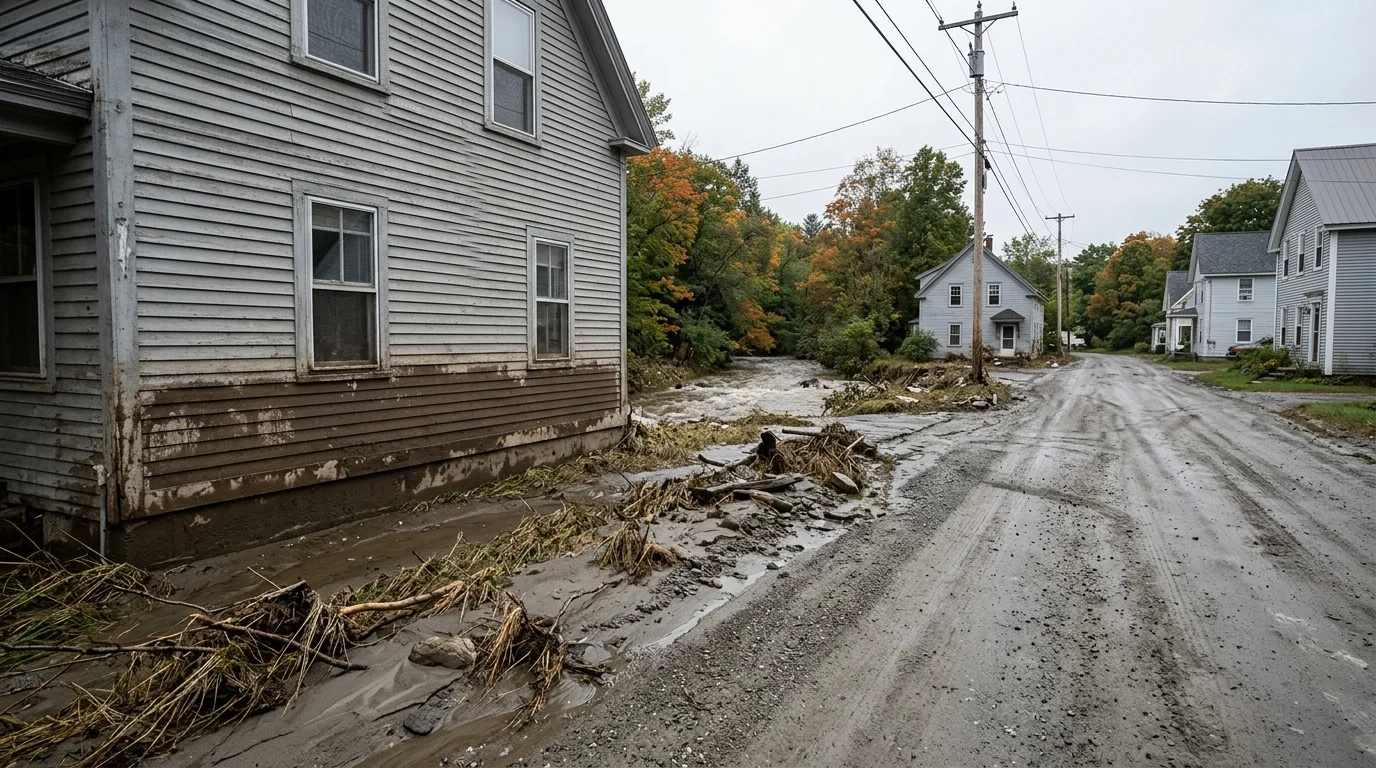
The proximate trigger was President Trump's August 4, 2026 Major Disaster Declaration for Tropical Storm Arthur (FEMA-4930-DR-MS), which unlocked FEMA Public Assistance grants for eight South Mississippi counties. Arthur made landfall June 18-20, damaging 532 homes, 17 businesses, and more than 70 public roads across the region; Harrison County alone reported 274 damaged homes. After Governor Tate Reeves requested a declaration in July, the approval set off a cascade of FEMA Public Assistance approvals: roughly $9M in July, $22M in July, $26M in July, $69M in August, and then a single $60M tranche on October 22 covering 40 projects. That last release landed just weeks before the current RFP spike.
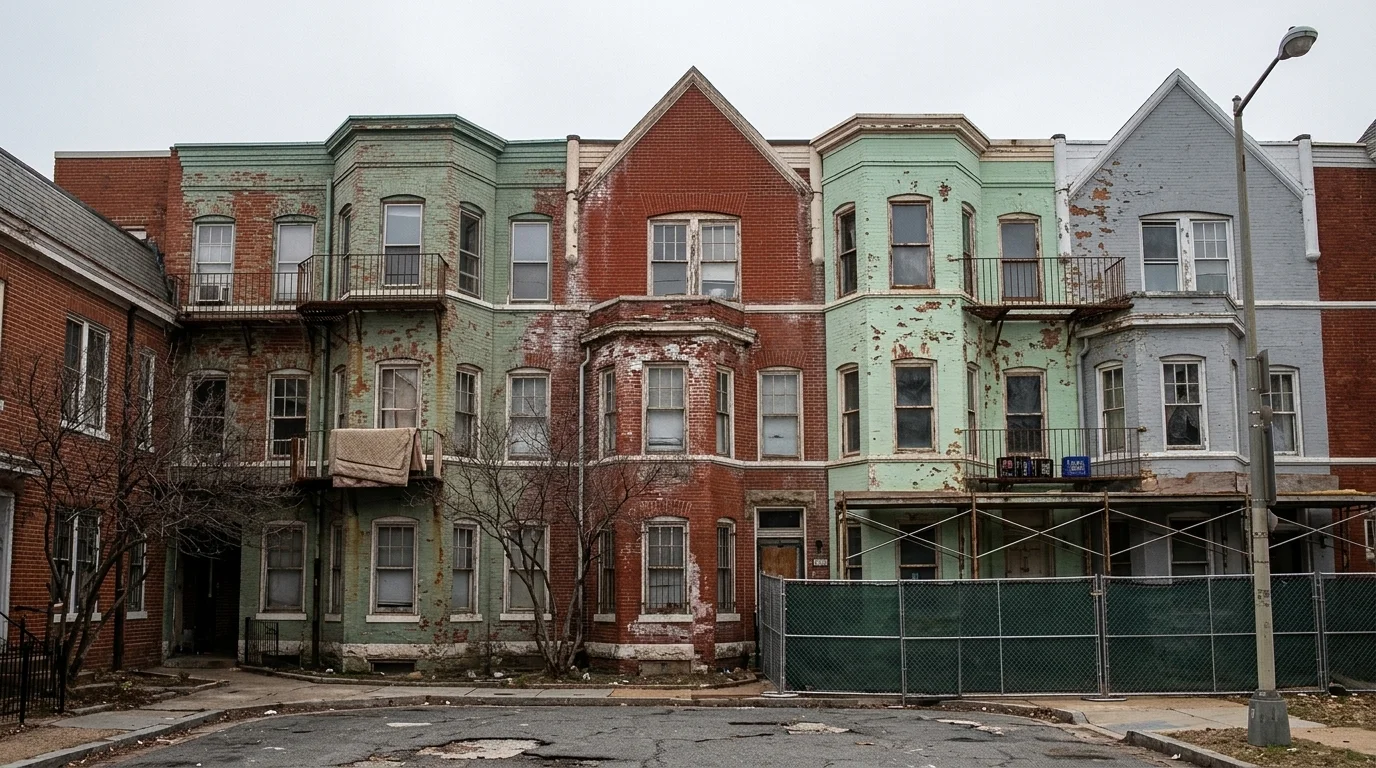
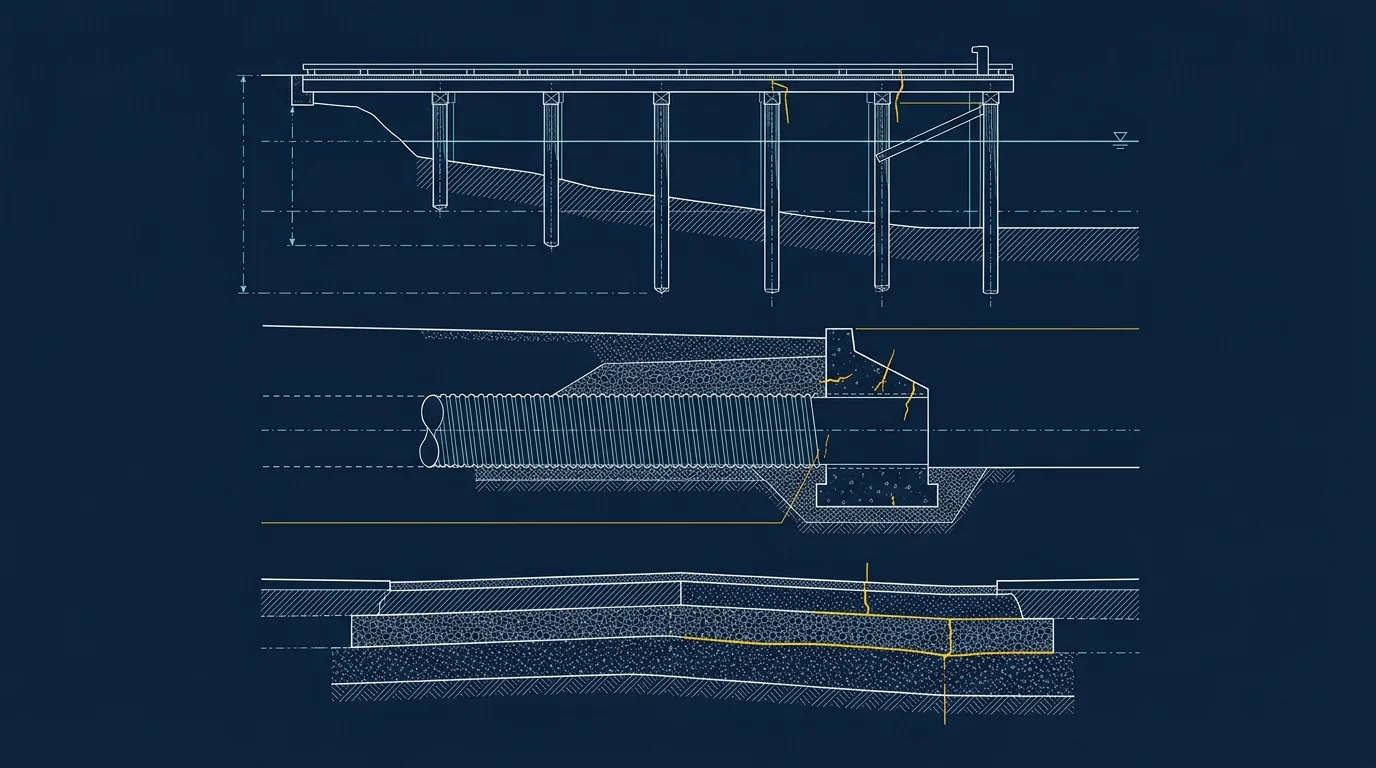
But the Arthur money did not arrive into a clean slate. Harrison, Stone, and Hancock counties are simultaneously still executing FEMA-reimbursed repairs from Hurricane Ida (2021) and Hurricane Zeta (2020). The active solicitations reveal the full stack: Harrison County and Long Beach are bidding beach drainage outfalls and harbor repairs tied to Zeta; Bay St. Louis and Pass Christian are procuring road and harbor work from Ida; Stone County's Wiggins is running debris collection contracts that cover both the 2025 and 2026 hurricane seasons at once. Those three counties account for 93% of the current volume.
This is how FEMA Public Assistance works in practice. The program reimburses state and local governments for debris removal, emergency protective measures, and infrastructure repairs, but reimbursement is conditional on communities first obligating contracts through competitive procurement. Issue the RFP, award the bid, begin the work, then draw down the federal dollars. Miss the obligation deadlines and the grant lapses. The result, for a region that has absorbed four named storms since 2020 without fully clearing its project backlog, is not steady recovery spending. It is episodic surges whenever a new tranche of approvals lands and local finance offices calculate that the clock is running.
The time series confirms the pattern. Mississippi saw a prior peak of 20 hurricane RFPs in July 2025, another cluster of 8 in December 2025, and now this third wave in October-November 2026. Each surge corresponds to a moment when federal project approvals accumulated faster than local procurement capacity could absorb them.
The FEMA Public Assistance grants driving the RFP cycle are distinct from two other large federal programs also active in Mississippi right now. HUD awarded a $134.95M Community Development Block Grant for Disaster Recovery and Mitigation to the Mississippi Development Authority in September 2025, running through 2031, for longer-term rebuilding and mitigation work administered at the state level, a different mechanism on a different timeline. The Federal Highway Administration separately awarded $5.9M to MDOT in October 2026 for Tropical Storm Arthur road repairs and a January 2026 winter storm, targeting highway infrastructure specifically. All three are federal programs, but they operate through separate channels and eligibility rules; none of them is interchangeable with the others.
For residents of Harrison, Hancock, and Stone counties, the surge in procurement activity is the leading indicator of what comes next: construction crews repairing roads, drainage systems, and harbor infrastructure that has been in documented disrepair since 2020 or 2021. Stone County, which reported 121 damaged homes and 34 damaged roads from Arthur alone, is now procuring debris collection for two hurricane seasons simultaneously, which signals just how much deferred work is in the queue.
The next signal to watch is bid award activity in December 2026 and January 2027. If the current RFPs close on schedule and local governments move quickly to award contracts, the Gulf Coast could see a construction mobilization in early 2027 that would represent the most concentrated infrastructure repair push the region has seen since Katrina-era rebuilding. If procurement stalls, through bid protests, contractor shortages, or local capacity limits, the same FEMA deadline pressure that created this surge could force extensions or, in some cases, grant reductions. Harrison County's seven open solicitations, the most of any single jurisdiction, will be the clearest early test.