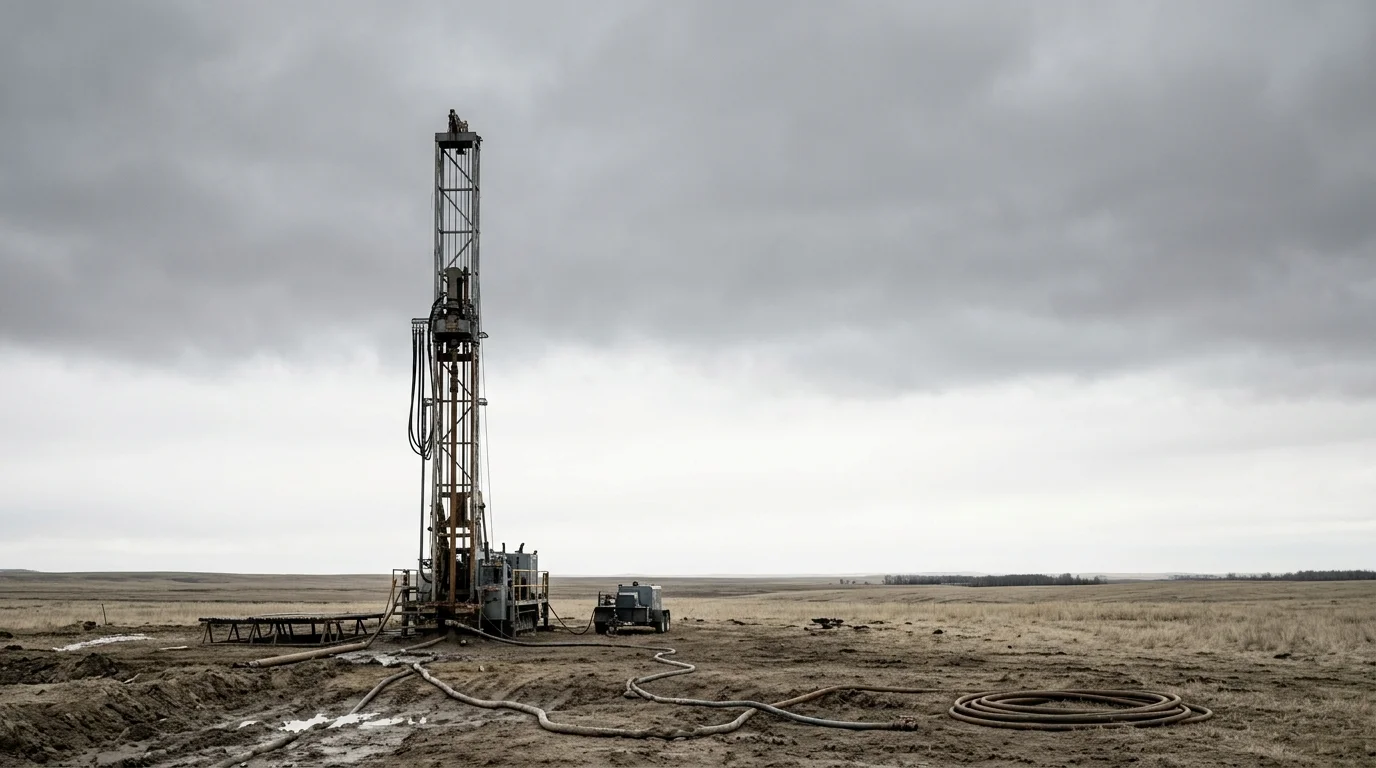
New Mexico agencies issued 9 flood-control procurement requests in the last 30 days, against a 12-month average of roughly 3.2 per month, a 2.8x surge that reflects something more stubborn than a single disaster recovery push. The state is caught in a fire-to-flood cycle, and the procurement activity is what it looks like when local governments try to engineer their way out of a loop that is still running.
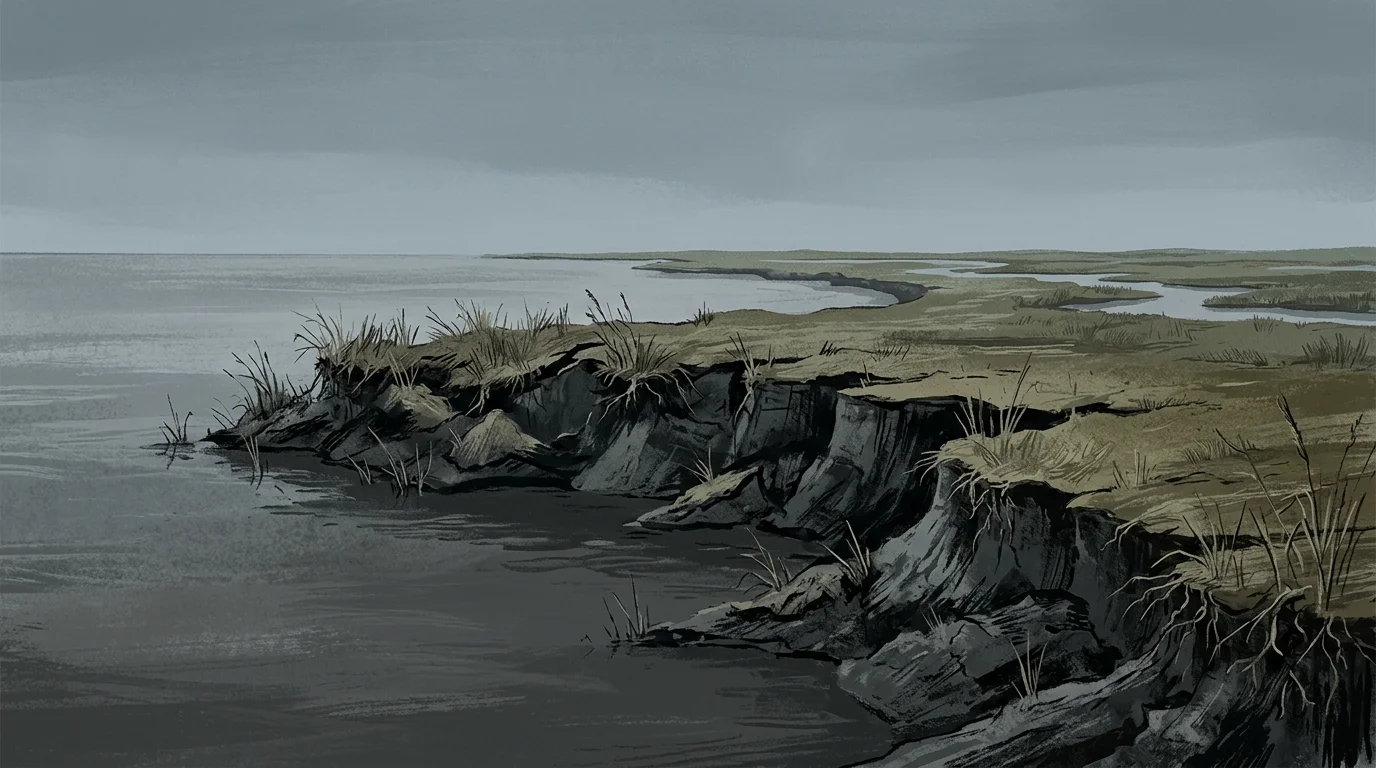
The mechanics are specific to the arid Southwest. When the South Fork and Salt Fires burned approximately 25,500 acres around Ruidoso in June 2024, destroying 1,400 structures and threatening more than 7,000 homes, they did not just cause immediate damage. They stripped the hillsides of the vegetation that absorbs monsoon rainfall. Every storm since has produced debris-laden flash floods through arroyos and mountain canyons that the existing infrastructure was never designed to handle. The fires created a flood problem that persists as long as the watershed remains bare, and New Mexico's monsoon seasons are not waiting for recovery to finish. On September 30, 2026, Governor Michelle Lujan Grisham issued five executive orders authorizing $3.75 million in emergency state spending after late-season monsoon flooding struck Lincoln, Doña Ana, Santa Fe, and San Miguel counties, more than two years after the fires.
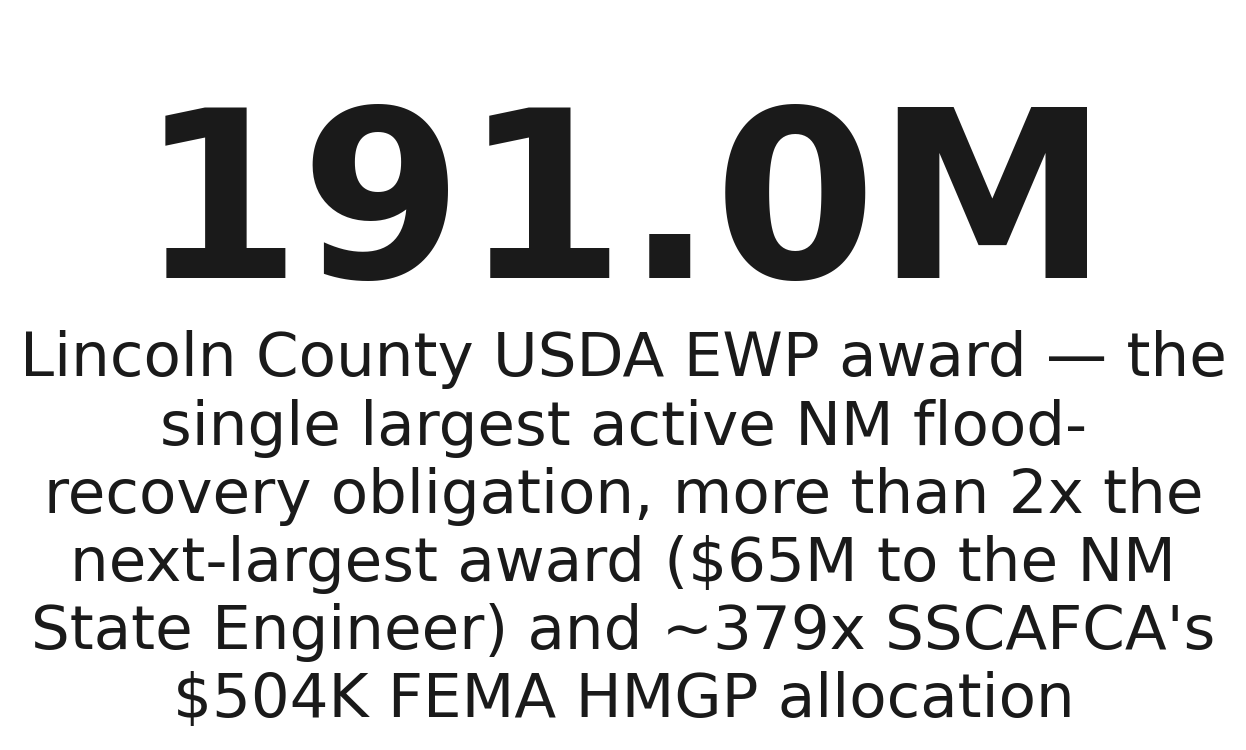
The federal response has been large and layered, and the policy mechanisms matter. The dominant force in Lincoln County is the USDA Natural Resources Conservation Service's Emergency Watershed Protection Program, a federal grant triggered by disaster declarations to fund watershed restoration and flood-risk reduction. NRCS obligated $191 million to Lincoln County in March 2026, the single largest award in the active New Mexico portfolio, and an additional $12.2 million to Chaves County and $5.4 million to Grant County. That Lincoln County grant is also funding a buyout program that is acquiring roughly 400 flood-prone Ruidoso-area properties, with NRCS covering up to 75 percent of acquisition costs. Total secured funding for Lincoln County flood recovery now exceeds $235 million across multiple streams.
Source: NationGraph.
Separate from the USDA grants, FEMA's Hazard Mitigation Grant Program and Pre-Disaster Mitigation Program have been flowing through the New Mexico Homeland Security and Emergency Management office. FEMA awarded $504,000 directly to the Southern Sandoval County Arroyo Flood Control Authority (SSCAFCA) in June 2026 for drainage and stormwater work tied to the South Fork and Salt Fire disaster declaration. FEMA also announced a $600 million Flood Mitigation Assistance Swift Current opportunity in July 2026, a new expedited pre-disaster grant pool for which New Mexico qualifies given its active disaster declarations. The state's specific allocation from that pool has not yet been determined.
On the state side, two separate appropriations are also in play, and they are not the same pot. In 2024, the New Mexico Legislature passed House Bill 1 during a special session, providing $70 million in zero-interest loans to Lincoln County and the Village of Ruidoso specifically to bridge local cash flow while FEMA Public Assistance reimbursements lagged, state money tied to federal timing. In spring 2026, the legislature set aside a separate $70 million for land acquisition, watershed restoration, and state matching funds for the NRCS buyout program. These are distinct appropriations with distinct purposes.
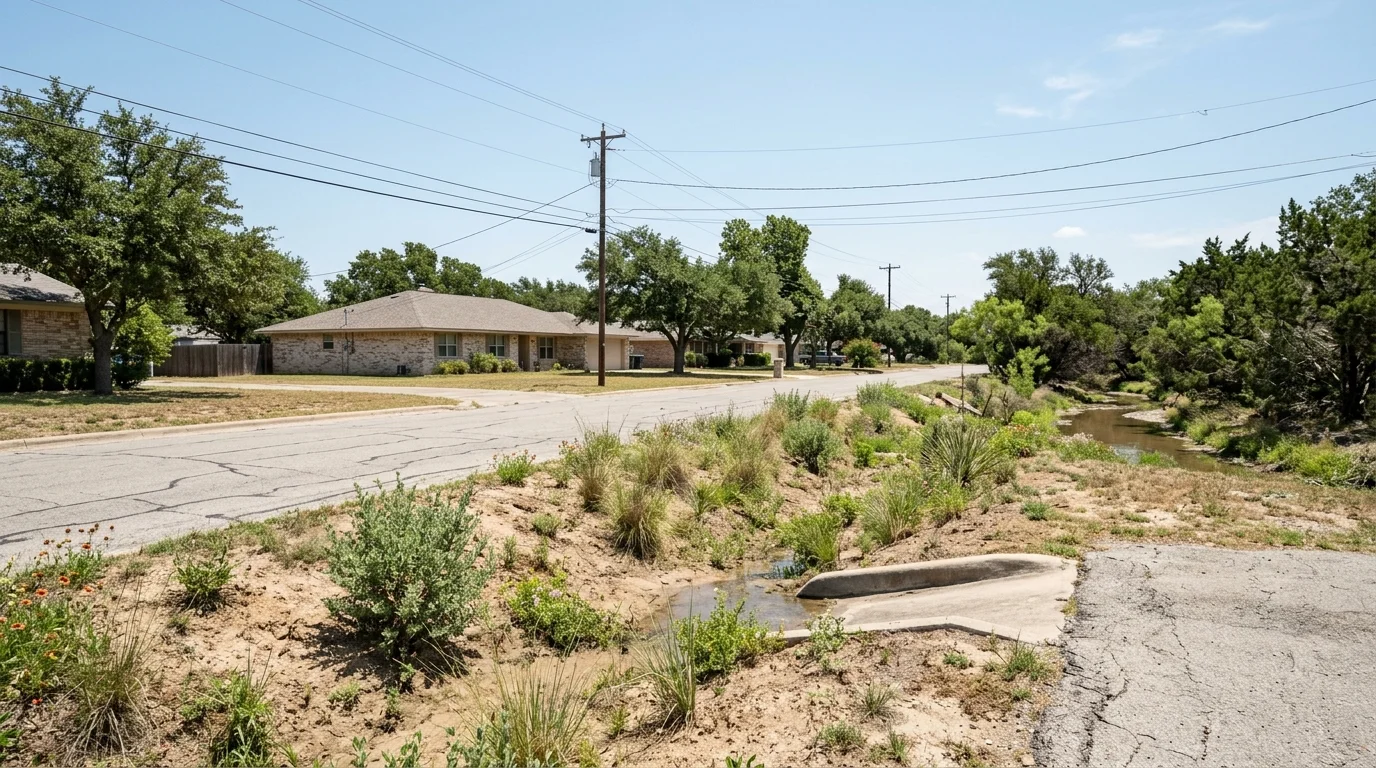
The current 30-day RFP surge is being driven almost entirely by SSCAFCA, which issued 8 of the 9 recent requests. The Rio Rancho-area authority is soliciting bids for arroyo stabilization design, engineering surveys, real estate appraisals, and construction of a new off-channel detention pond, the kind of permanent infrastructure that turns grant dollars into concrete and earthwork. Over the past 12 months, SSCAFCA and Ruidoso account for the two heaviest procurement loads in the state, with 10 and 13 RFPs respectively.
The concentration of activity in SSCAFCA right now likely reflects the June 2026 FEMA HMGP award landing in the agency's budget and moving into the design-and-procurement phase. Federal grants of this type typically take six to twelve months to move from award to active solicitation, which means the broader Lincoln County portfolio anchored by the March 2026 NRCS award should produce its own procurement wave later in the year or into 2027.
For New Mexicans in flood-prone areas, the practical implication is that the infrastructure work being procured now will shape flood outcomes for the next several monsoon seasons. The buyouts in Lincoln County will gradually remove the most vulnerable properties from the floodplain. The arroyo and detention work in Sandoval County will increase capacity before the next storm. But the September 2026 emergency orders are a reminder that construction timelines and disaster timelines do not align neatly.
The next signal to watch is how much of the $600 million FEMA Swift Current pool flows to New Mexico, and whether the Lincoln County watershed restoration work advances far enough before the 2027 monsoon season to meaningfully reduce runoff from the still-recovering burn scar. That question will not have an answer until spring.