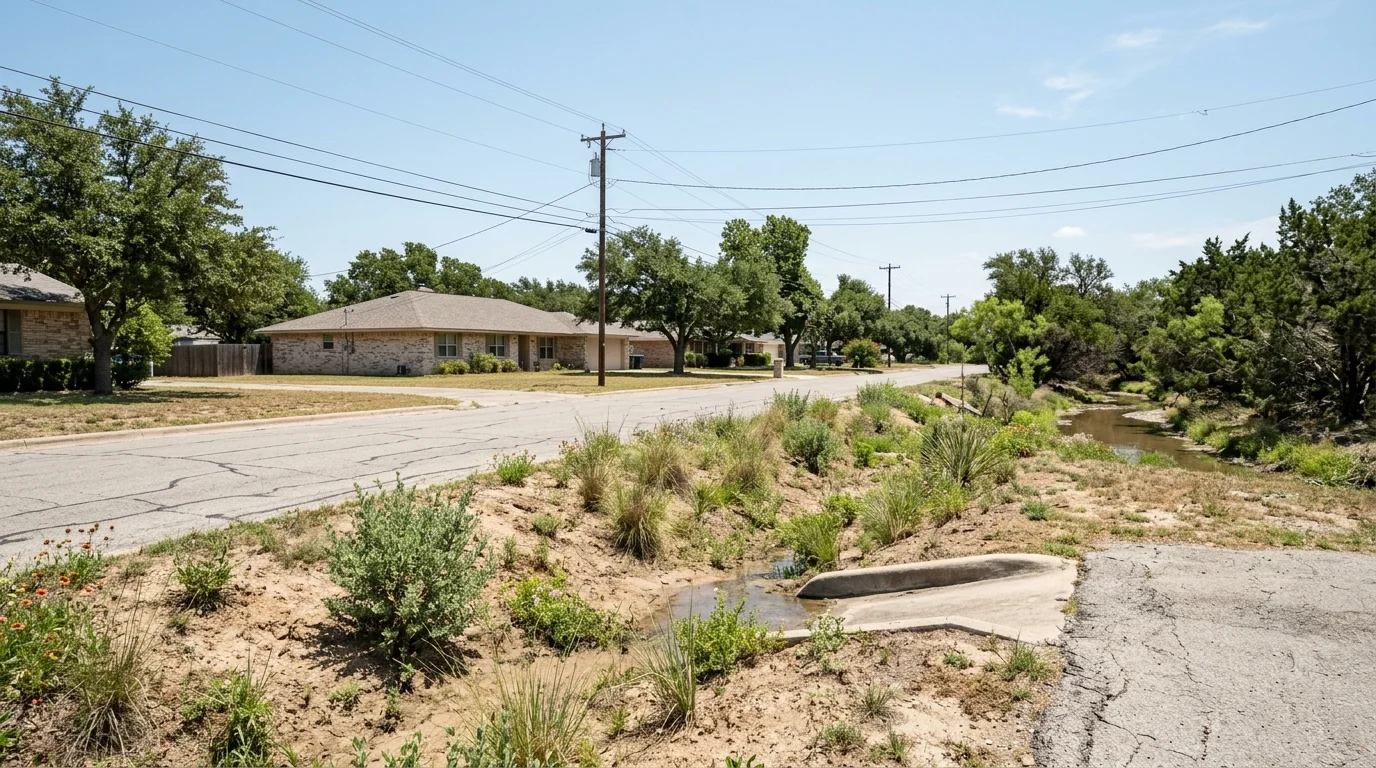
Nolanville, Texas has been growing faster than its drainage can handle. The small Bell County city, wedged between Killeen and Belton just east of Fort Cavazos, has roughly doubled in population since 2010, and every new roof, driveway, and parking lot sends more water rushing into Nolan Creek after a storm. That creek has landed on the state's impaired waterways list for bacteria, and the runoff is a significant factor.
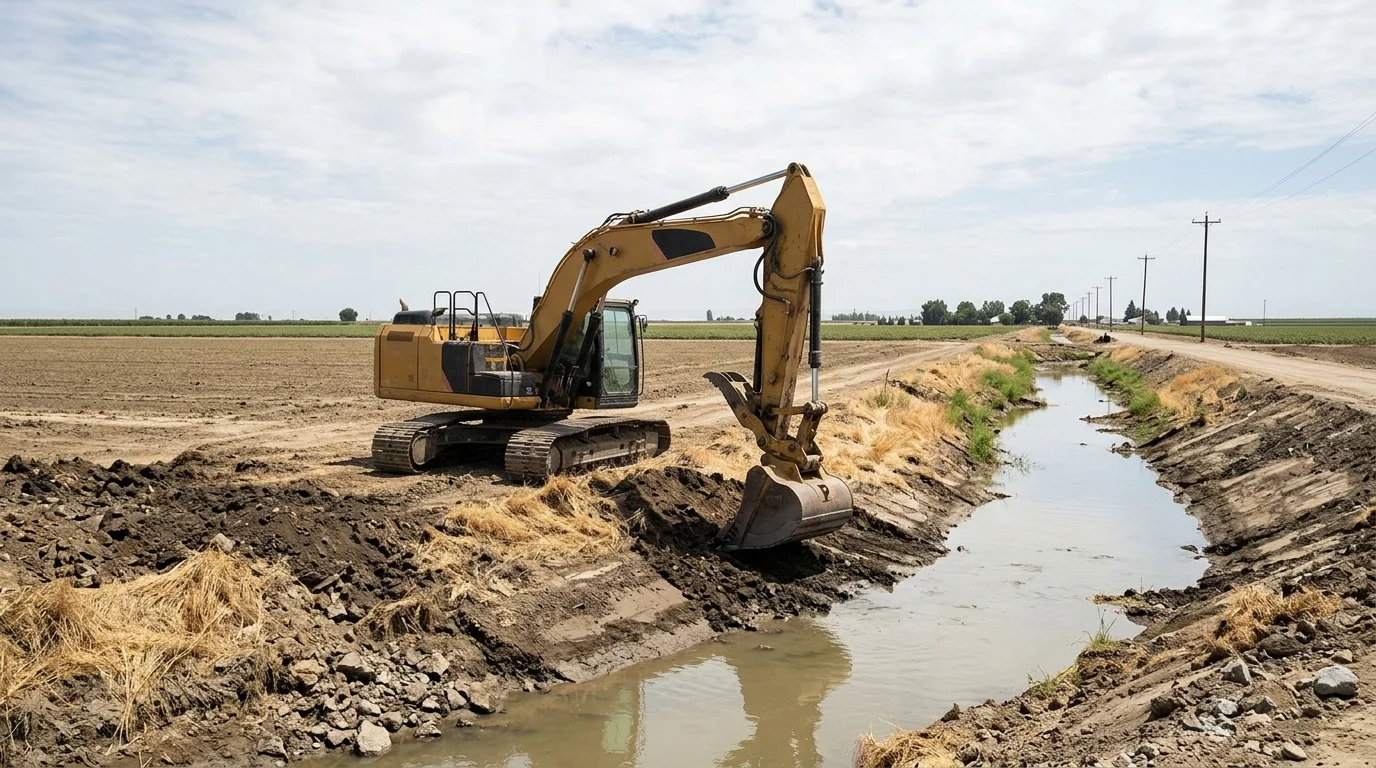
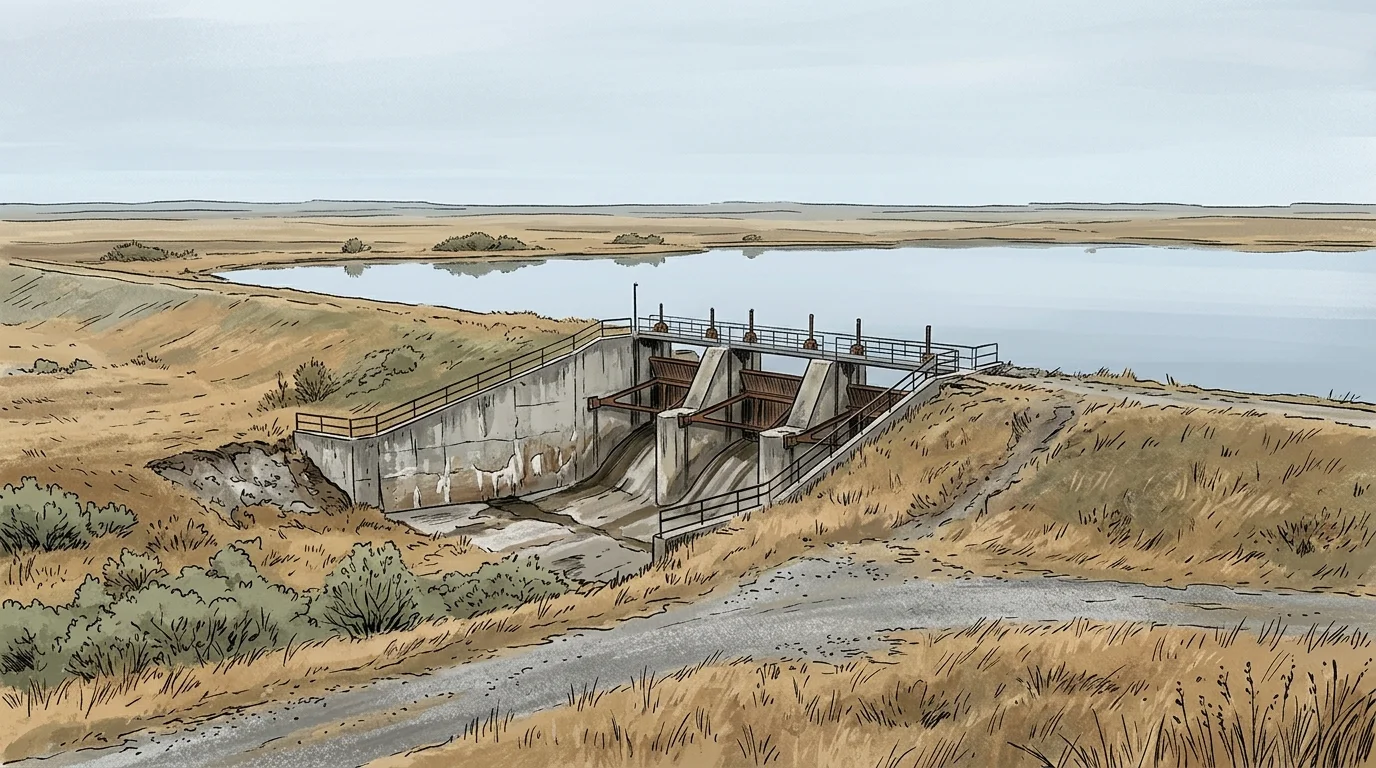
Now the city is trying something different. Rather than channeling stormwater through concrete pipes and ditches, Nolanville is building a rain garden and bioswale system along Avenue H designed to slow water down, filter it through soil and plants, and let it soak in before it reaches the creek. The project also includes erosion control work and rehabilitation of an existing detention pond.
The work is funded through a joint grant from the U.S. Environmental Protection Agency and the Texas Commission on Environmental Quality under Clean Water Act Section 319(h), a federal program created specifically to reduce pollution from diffuse sources like stormwater runoff. TCEQ targets the money at watersheds already documented as impaired, which is what made Nolan Creek eligible for the funding.
City officials are framing the project explicitly as a demonstration, meaning the goal is not just to clean up one stretch of creek but to build something neighboring cities can study and replicate. That ambition fits Nolanville's unusual identity for a city its size: it has pursued an "Innovation Park" concept and a series of projects designed to punch above its weight. As a small municipality with a modest tax base, it depends heavily on state and federal grants to fund infrastructure work that larger neighbors like Killeen can handle on their own.
The green infrastructure approach Nolanville is adopting has been going mainstream in American cities for roughly 15 years. Philadelphia, Portland and others have spent heavily retrofitting neighborhoods with bioswales and permeable pavement after EPA formally endorsed the method in 2007 as both cheaper and more ecologically effective than traditional concrete drainage. Central Texas has added its own urgency to that conversation: punishing floods in 2015, 2018, and again in 2025 have made stormwater management a matter of safety, not just water quality.
The project's total cost is not disclosed in city documents. Contractors have until June 30, 2026, to submit sealed bids, with the City Council expected to award a contract shortly after.