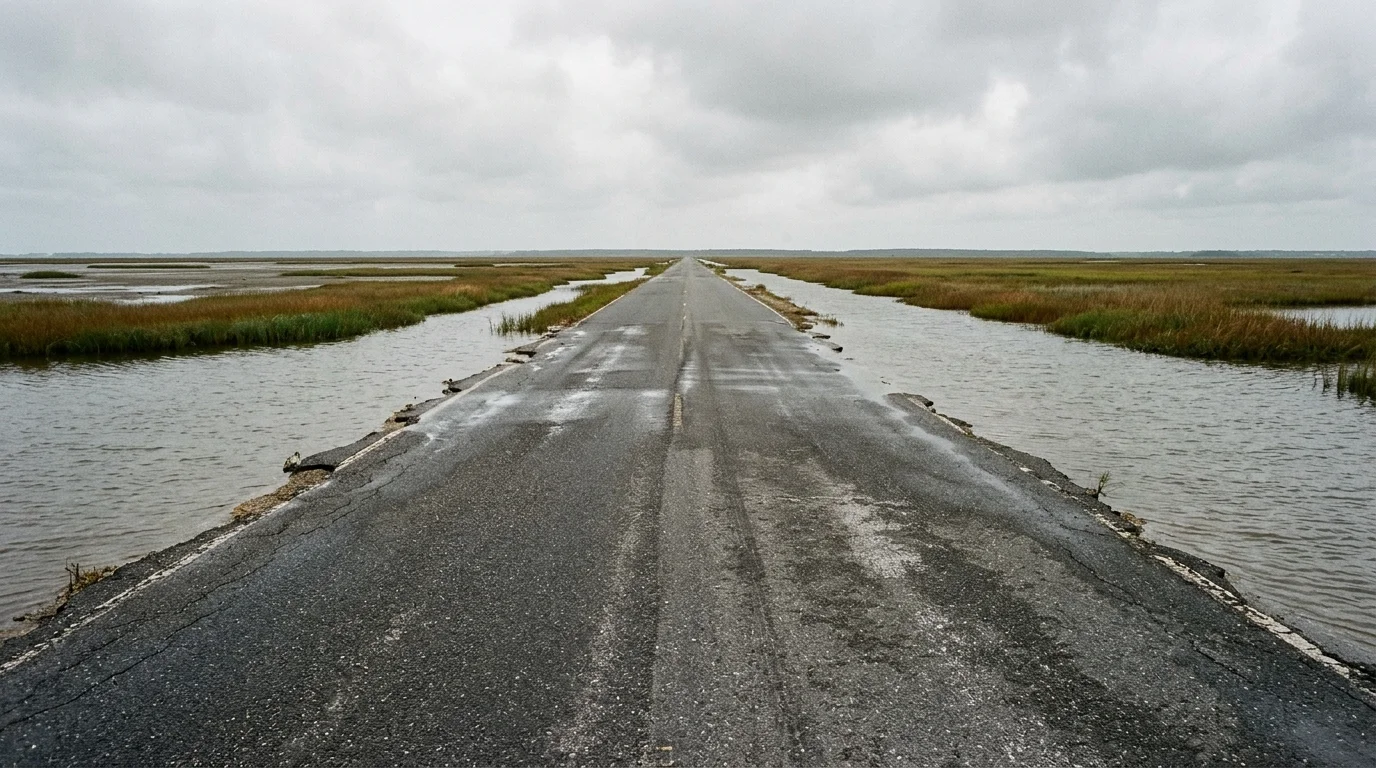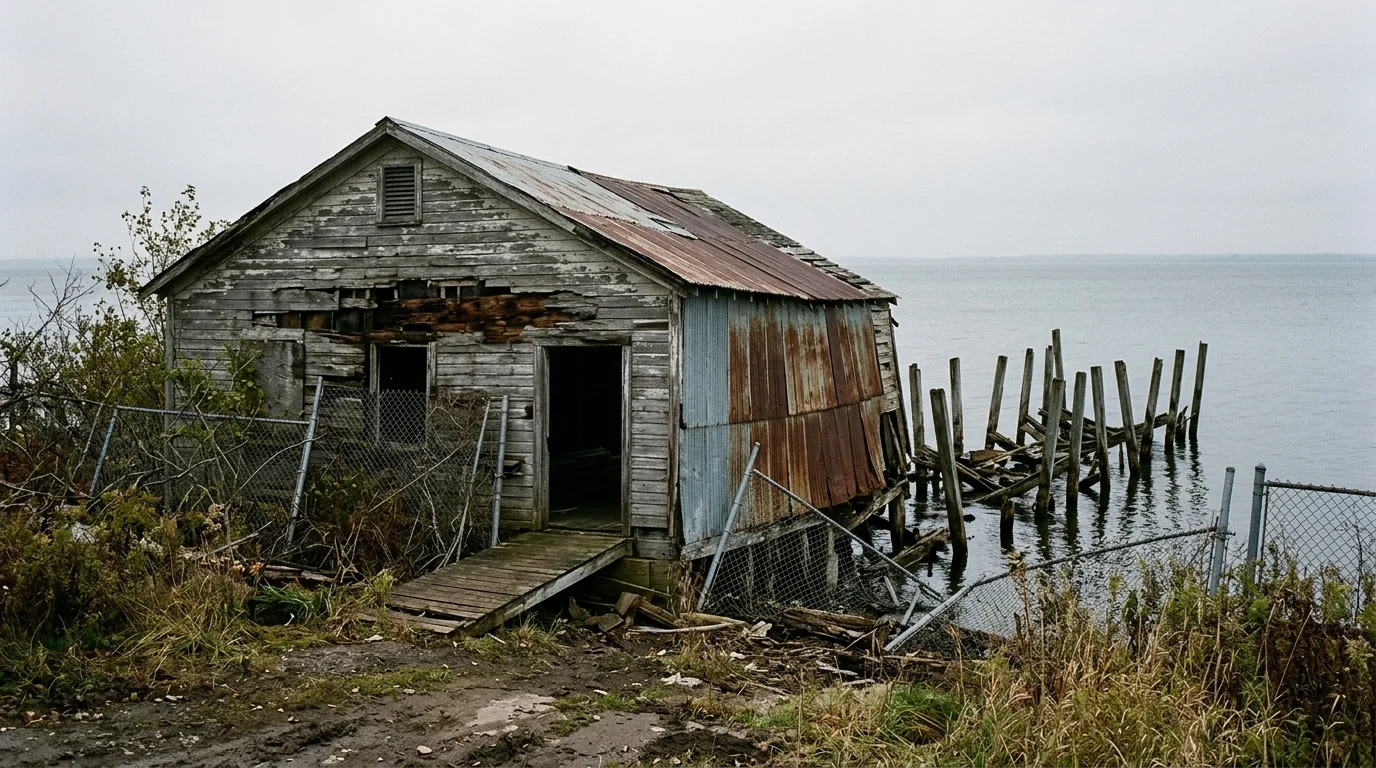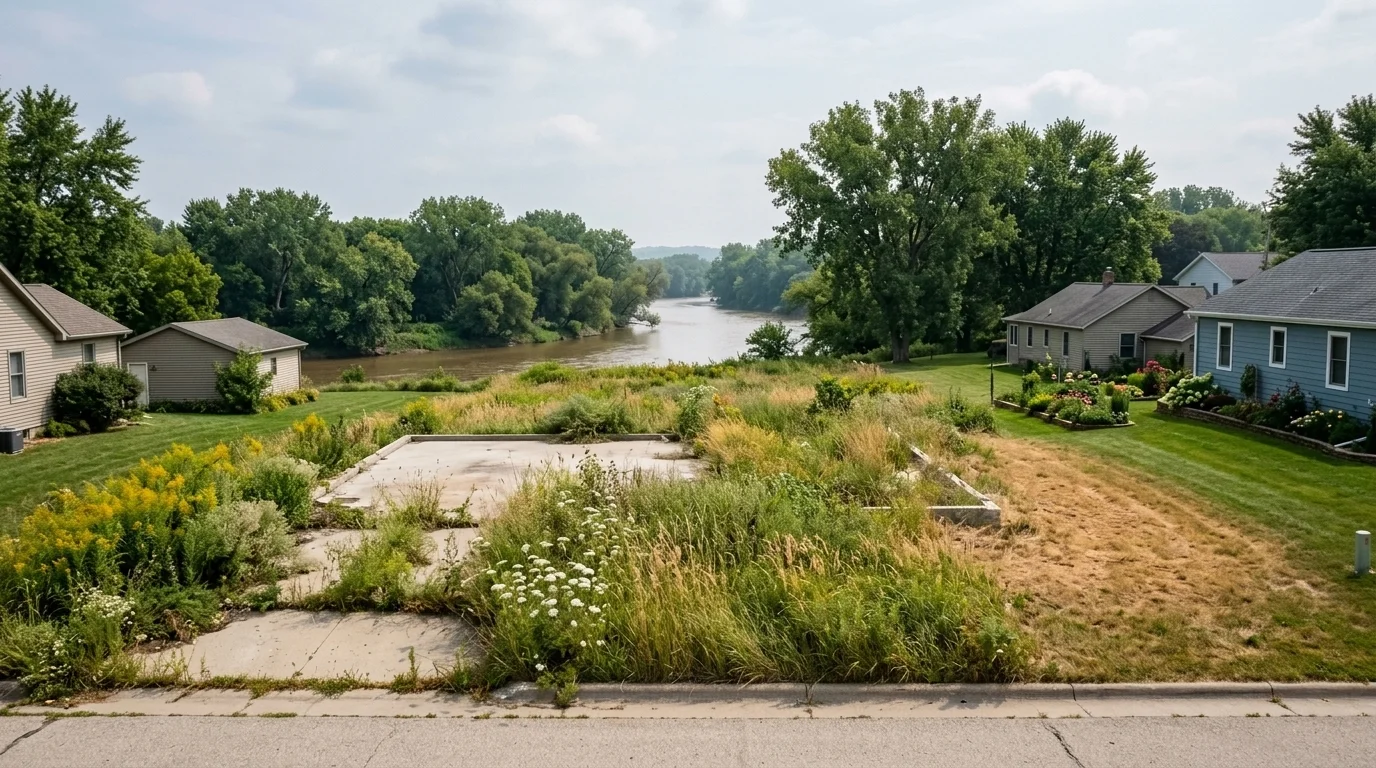
Nine Florida institutions issued their first stormwater management RFP in over a year during the single 30-day window ending October 21, 2026, spanning eight counties from Okaloosa in the Panhandle to Miami-Dade in the south. The list includes entities that rarely appear in the same procurement story: Cape Canaveral, Miami Beach, Deltona, Tampa International Airport, Duval County Public Schools, and the small Wakulla County city of Sopchoppy. The geographic breadth rules out a local recovery story. Something statewide unlocked.
Two things ran out at once, and they operated through entirely different mechanisms.
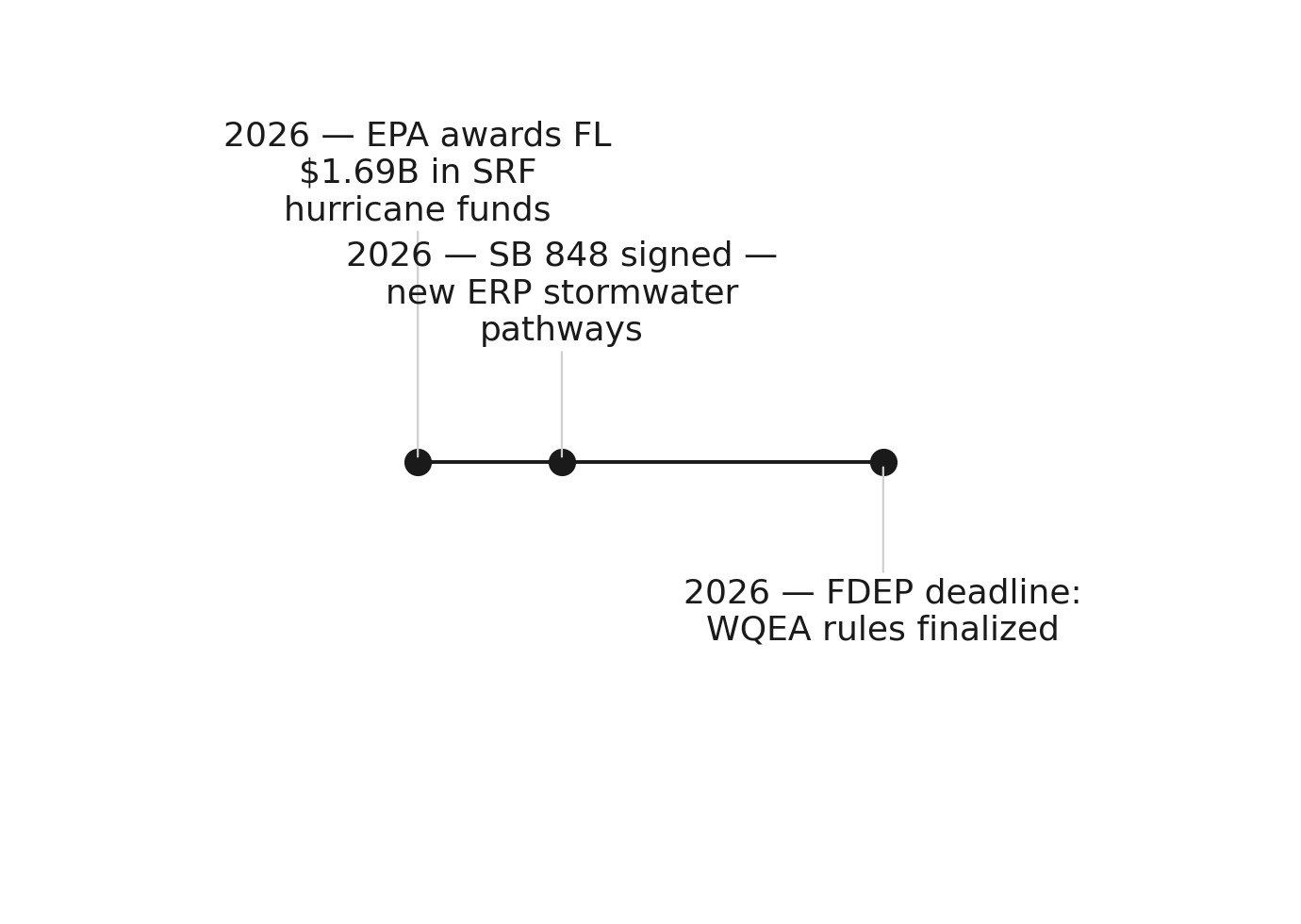
The first is capital. EPA awarded Florida $1.69 billion in supplemental Clean Water State Revolving Fund dollars in March 2026, targeted at water and stormwater infrastructure damaged or exposed by Hurricanes Helene and Milton. The program's unusual feature is a 100% principal-forgiveness structure on qualifying loans, meaning smaller municipalities that would never normally access federal infrastructure capital can borrow without repaying the principal. The first loan agreement closed June 30, 2026, a $19 million deal with the City of Mulberry. That signing marked a phase transition: money that had existed as a federal commitment for months became money a Florida city was actually spending. Separately, HUD's CDBG-DR block grant program committed $709 million to Hillsborough County alone in January 2025, with implementation approval coming in February 2026. By May 2026, Hillsborough commissioners had approved $95 million of that grant for seven drainage and stormwater projects. Governor DeSantis's statewide CDBG-DR Infrastructure Repair Program has pushed an additional $311 million to 37 communities, including $14.2 million to the City of Arcadia specifically for stormwater channel widening. These are federal block grant dollars with use deadlines and performance milestones, local governments that miss procurement windows risk losing them.
Source: NationGraph.
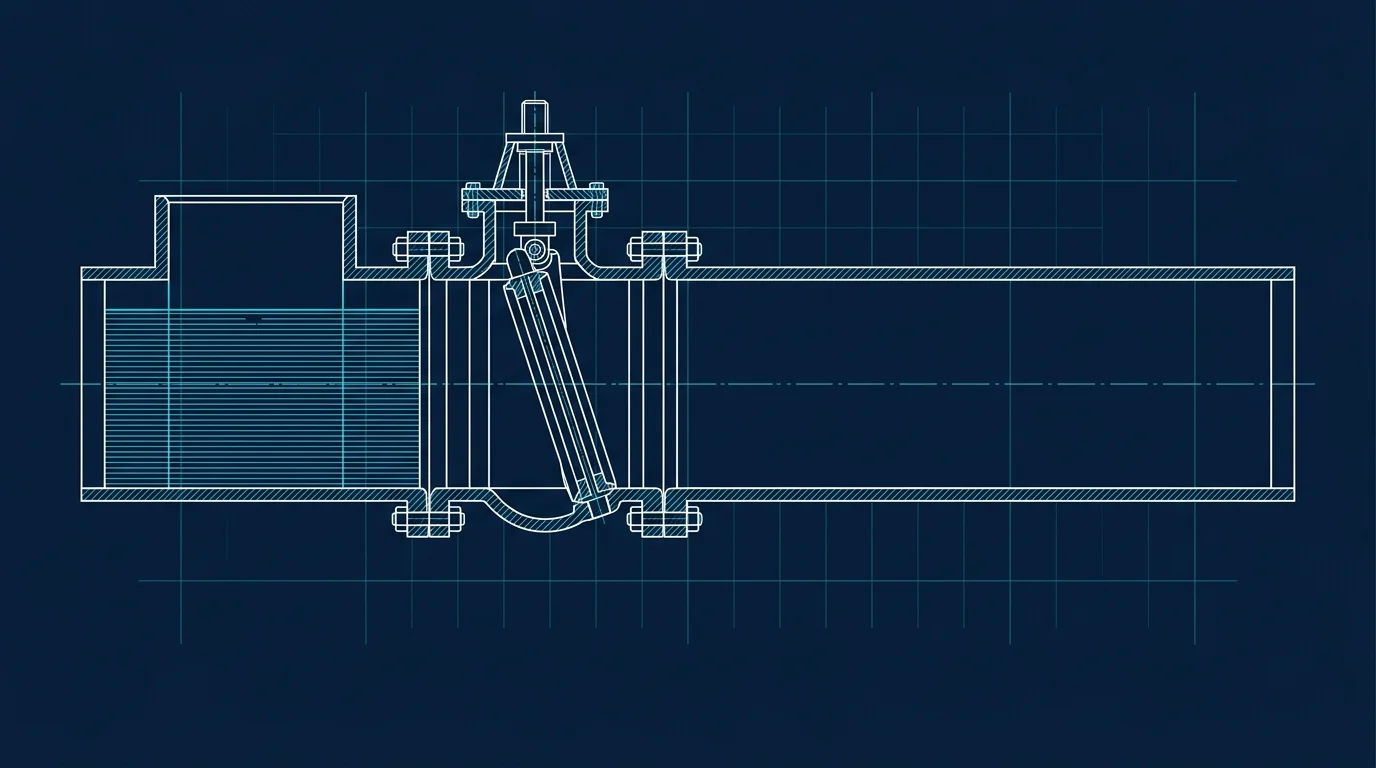
The second pressure is regulatory, and it operates on a different clock entirely. Florida SB 848, signed by Governor DeSantis on May 6, 2026, and effective July 1, formally authorized Regional Stormwater Management Systems and Water Quality Enhancement Areas as recognized Environmental Resource Permit compliance pathways. As National Stormwater covered at signing, the law didn't fund anything, it restructured how municipalities can satisfy FDEP's stormwater permitting requirements, giving local governments new tools to meet ERP conditions through regional systems rather than project-by-project construction. The catch: FDEP was required by the law to finalize WQEA rules by October 1, 2026. That deadline has now passed. Institutions that launch RFPs and scope projects before the rules lock in can design to the new framework. Those that wait are designing into uncertainty.
Neither pressure alone explains the volume. Municipalities have had hurricane recovery money available in various forms since 2024 without triggering a procurement wave of this scale. And permitting reforms routinely pass without prompting immediate procurement activity. What changed in September and October 2026 is that both clocks expired in the same quarter, compressing the decision window for finance officers and capital planners across the state simultaneously.
Florida's stormwater burden makes this convergence sharper than it would be in most states. The state runs a dual-permit system, FDEP's NPDES program plus separate Environmental Resource Permits through five regional Water Management Districts, meaning stormwater infrastructure projects carry more regulatory surface area than in most jurisdictions. The 2024 storm season exposed drainage failures along the Gulf Coast and through the I-4 corridor that were already visible in inspection records. Local governments in those corridors have had political motivation to act for two years; what they lacked, until this year, was a clear capital pathway and a stable regulatory target to design toward.
For residents, the practical signal is a procurement pipeline that is likely to extend well into 2027. Stormwater RFPs take months to move from issuance to contract award to mobilization. Projects scoped now against the new WQEA framework and funded with SRF or CDBG-DR dollars will break ground through next hurricane season and beyond. The question is execution: whether FDEP's final WQEA rules, now overdue, emerge quickly enough that projects designed this fall don't require costly redesign before permits are issued.
The next indicator to watch is FDEP's rulemaking output. If the agency finalizes WQEA rules close to their October 1 deadline, the RFP wave turns into a permit application wave by early 2027. If rules slip, some of this procurement activity stalls at the design phase, with federal spending clocks still running.