Eleven Washington municipalities and public agencies issued stormwater-related RFPs for the first time in more than a year between September 21 and October 21, 2026, a small but pointed signal that the state's compliance calendar is pulling in a new tier of jurisdictions that largely sat out last year's procurement surge.
The contrast with that earlier surge is stark. In July 2025, 208 Washington institutions collectively issued 440 stormwater RFPs in a single month, a concentrated sprint driven by large Phase I permit cities and counties, Clark, King, Pierce, Snohomish, Seattle, Tacoma, Puyallup, Redmond, Vancouver, Bellingham, all racing to adopt the state's updated Stormwater Management Manual before the July 1, 2026 deadline set by the Washington Department of Ecology. That deadline has now passed. The current wave looks nothing like the July 2025 rush: it is smaller jurisdictions, not major metros, and it is accelerating now precisely because their own deadline is coming.
The 2024-2029 Municipal Stormwater General Permits, effective August 1, 2024, divided covered jurisdictions into two tiers. Phase I permittees, the largest cities and counties, faced a July 1, 2026 adoption deadline for the revised 2024 Stormwater Management Manual for Western Washington. Phase II permittees, which include smaller and secondary cities, have until June 30, 2027. That gap created the gap in procurement activity: after the July 2025 sprint, new institutional RFPs fell to just two to nine per month through the end of 2025. The current pickup is the Phase II tier entering its own planning and execution window.
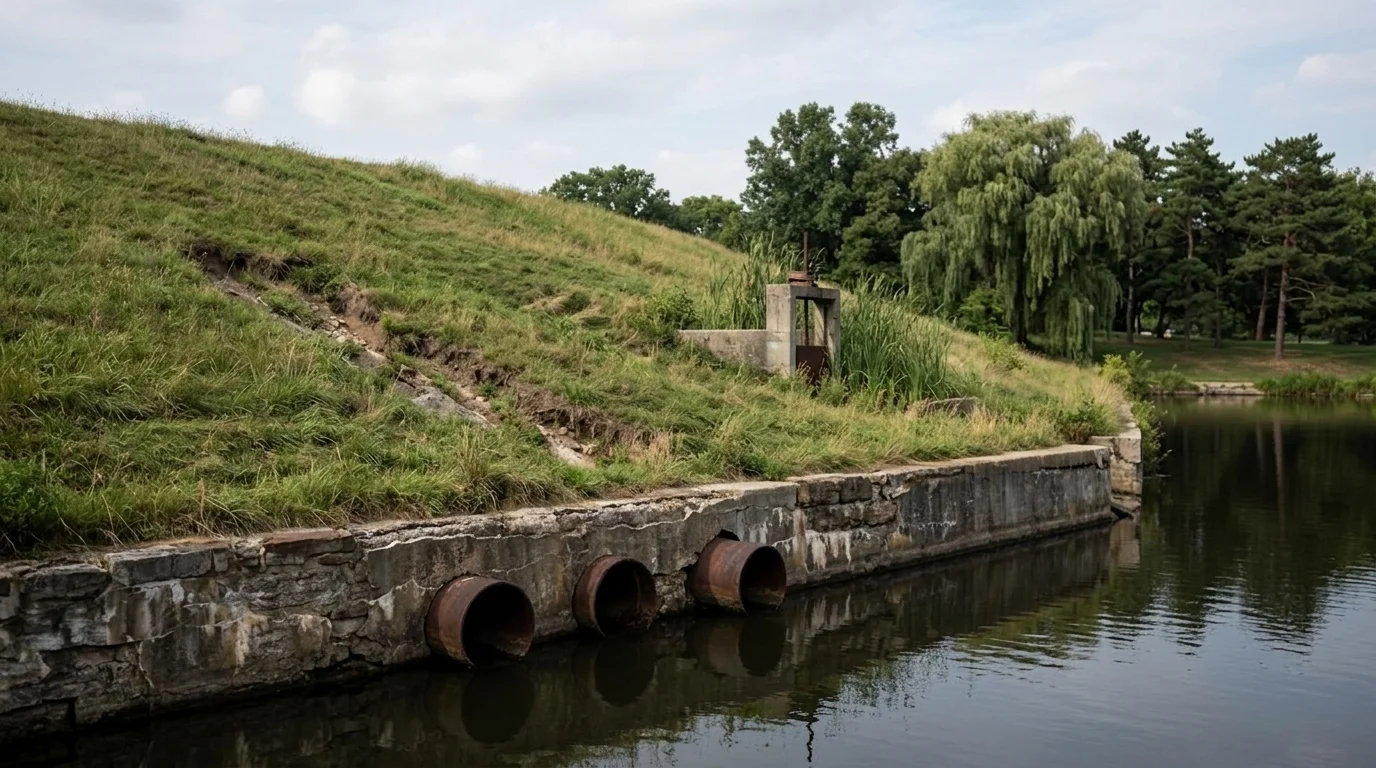
The entities now issuing first-time RFPs bear little resemblance to the earlier cohort. Arlington (population 21,206) and Snoqualmie (population 13,465) are mid-size Puget Sound suburbs; Stevenson (population 1,621) and Roslyn (population 946) are small inland towns. Grays Harbor County Public Works is issuing for flood hazard reduction work on Elk Creek near SR 109. The Port of Friday Harbor, a maritime facility in the San Juan Islands, is soliciting marina engineering services, reflecting that Washington's Industrial Stormwater General Permit, a separate regulatory instrument from the municipal permit, also underwent a major modification with a final decision expected in November 2026. Even the Pierce County Library System appears in the first-timer list, a signal of how broadly the state's stormwater permit regime touches public-sector entities beyond traditional public works departments.
The 2024 manual is not a minor update. According to Washington Ecology's guidance resources, the revision introduced ten significant changes from the 2019 version, including new rules on offsite acreage coverage, pH sampling requirements for construction sites, and provisions addressing Urban Runoff Mortality Syndrome, the phenomenon in which 6PPD-Q, a chemical from tire rubber, has been linked to coho salmon deaths in urban streams. For a small city with a single public works engineer and no dedicated stormwater staff, designing compliant facilities to these new standards requires outside expertise the city likely does not employ.
The compliance pressure is compounding. Ecology's ongoing Phase I permit modification, which adds new requirements beyond those in the August 2024 reissuance, has a public comment window closing November 2, 2026. Whatever those modifications finalize, Phase I jurisdictions will need to absorb them while Phase II cities are still building their baseline compliance. And the Industrial Stormwater General Permit modification, which covers ports, manufacturers, and transportation terminals under a distinct permit program, is running a parallel timeline. These are separate regulatory instruments with different covered entities and different legal authorities, all flowing from Washington's delegated NPDES authority under the federal Clean Water Act, but for a small jurisdiction's engineering department, the cumulative effect is that stormwater compliance work is arriving from multiple directions simultaneously.
Federal grant dollars are flowing into the state's stormwater ecosystem during this window. The NOAA Office for Coastal Management has an active $73.6 million award to the State of Washington, plus a separate $16.3 million award to Snohomish County, both running through 2029 and covering coastal and stormwater management programs. The EPA's Performance Partnership Grants are providing $6.5 million to Washington for state environmental program implementation, including stormwater oversight, through 2027. These funds do not directly pay for municipal RFPs, individual cities procuring stormpond fence replacement or stormwater system repairs are typically spending from local capital budgets or county infrastructure funds, but they sustain the state-level oversight and technical assistance infrastructure that smaller jurisdictions rely on when they begin compliance planning.
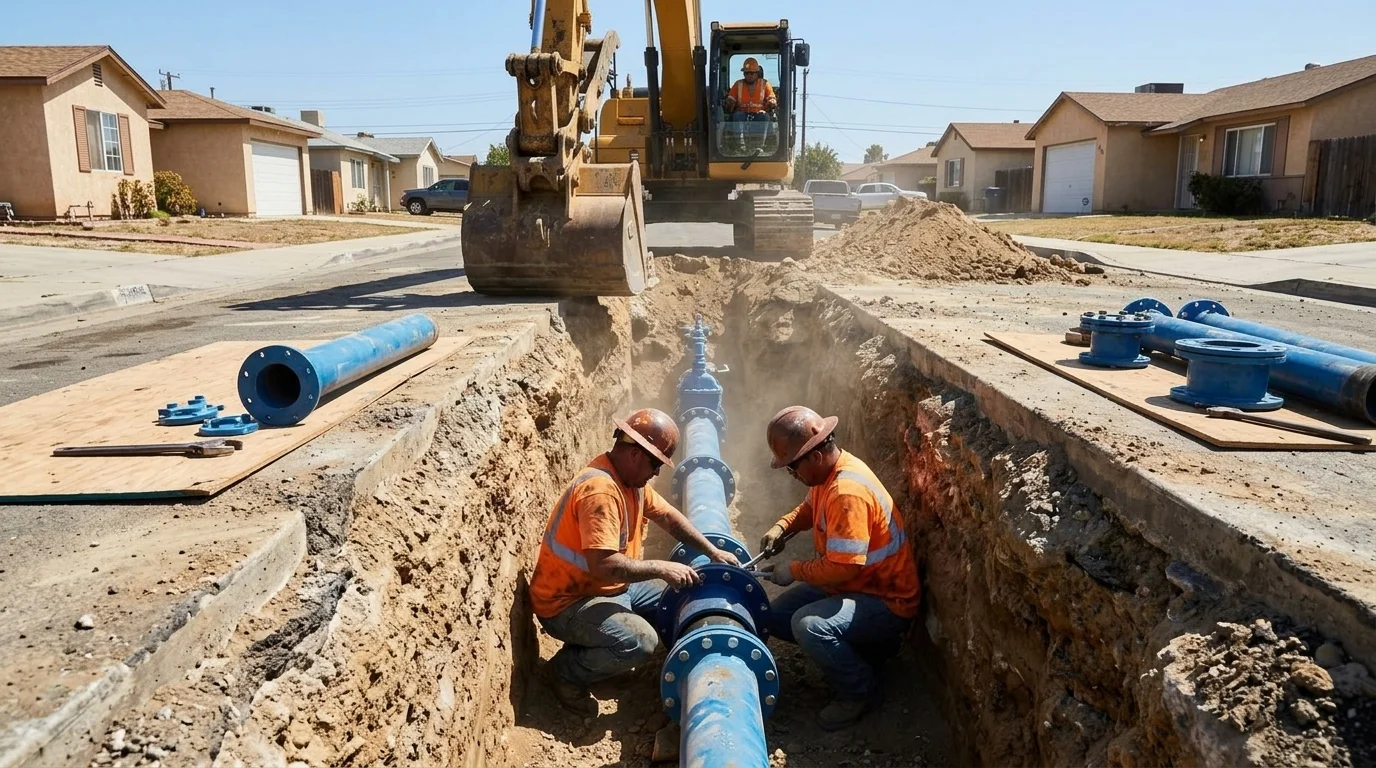
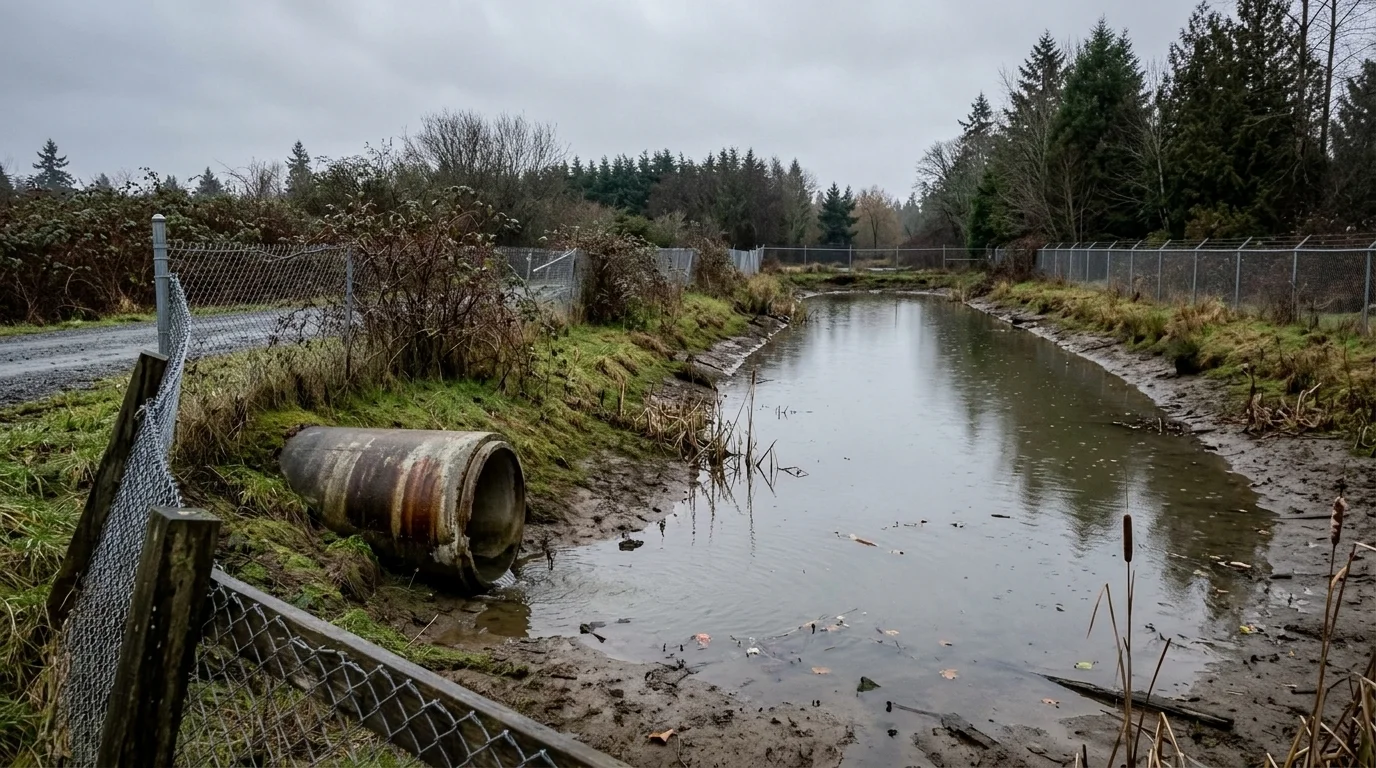
For residents of smaller Washington cities, the RFP activity translates into visible infrastructure work over the next 12 to 18 months: stormwater pond upgrades, outfall repairs, and flood reduction projects that may have been deferred while larger jurisdictions consumed the available engineering capacity. The more immediate signal to watch is whether the engineering consulting market can absorb a second procurement wave before Phase II cities' June 2027 deadline. In July 2025, 208 institutions hit the market in a single month; if Phase II jurisdictions cluster similarly, capacity constraints could push project timelines past the permit deadline.