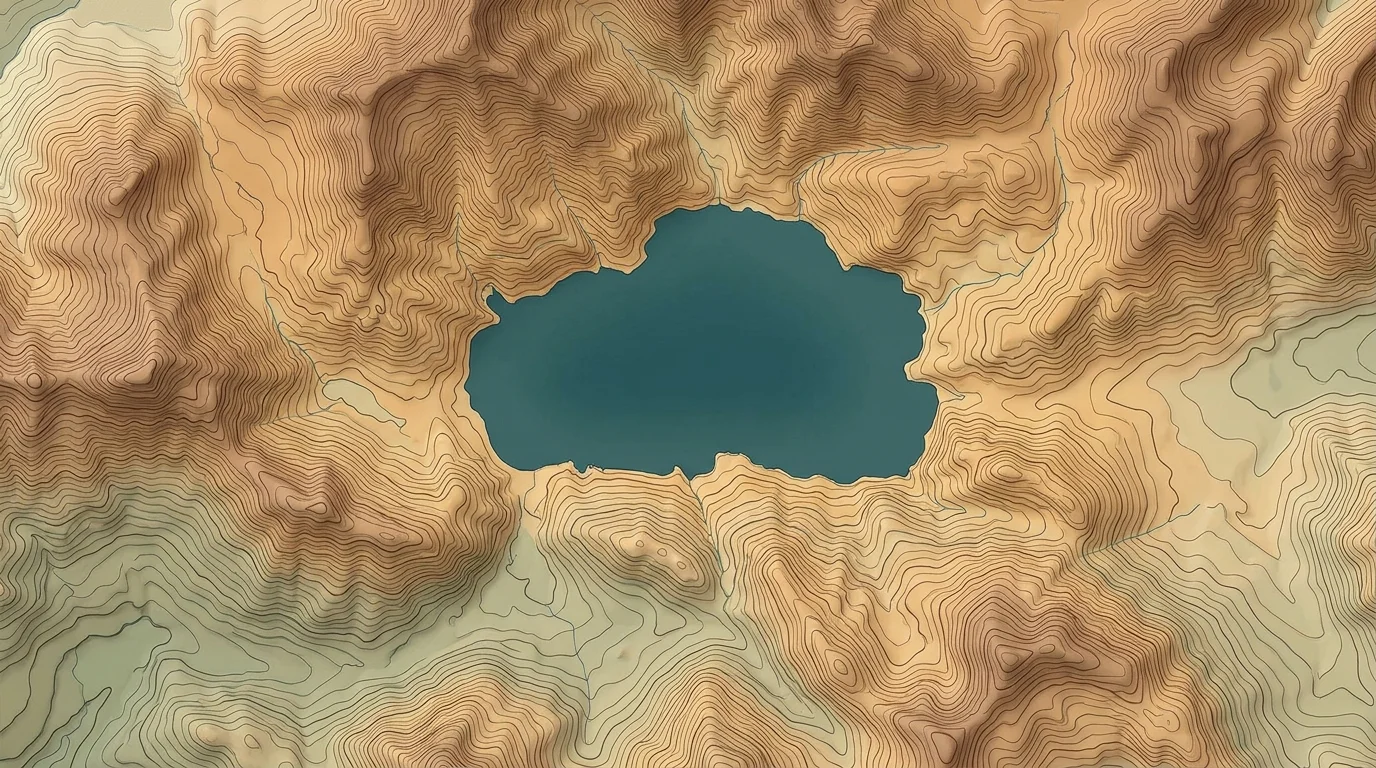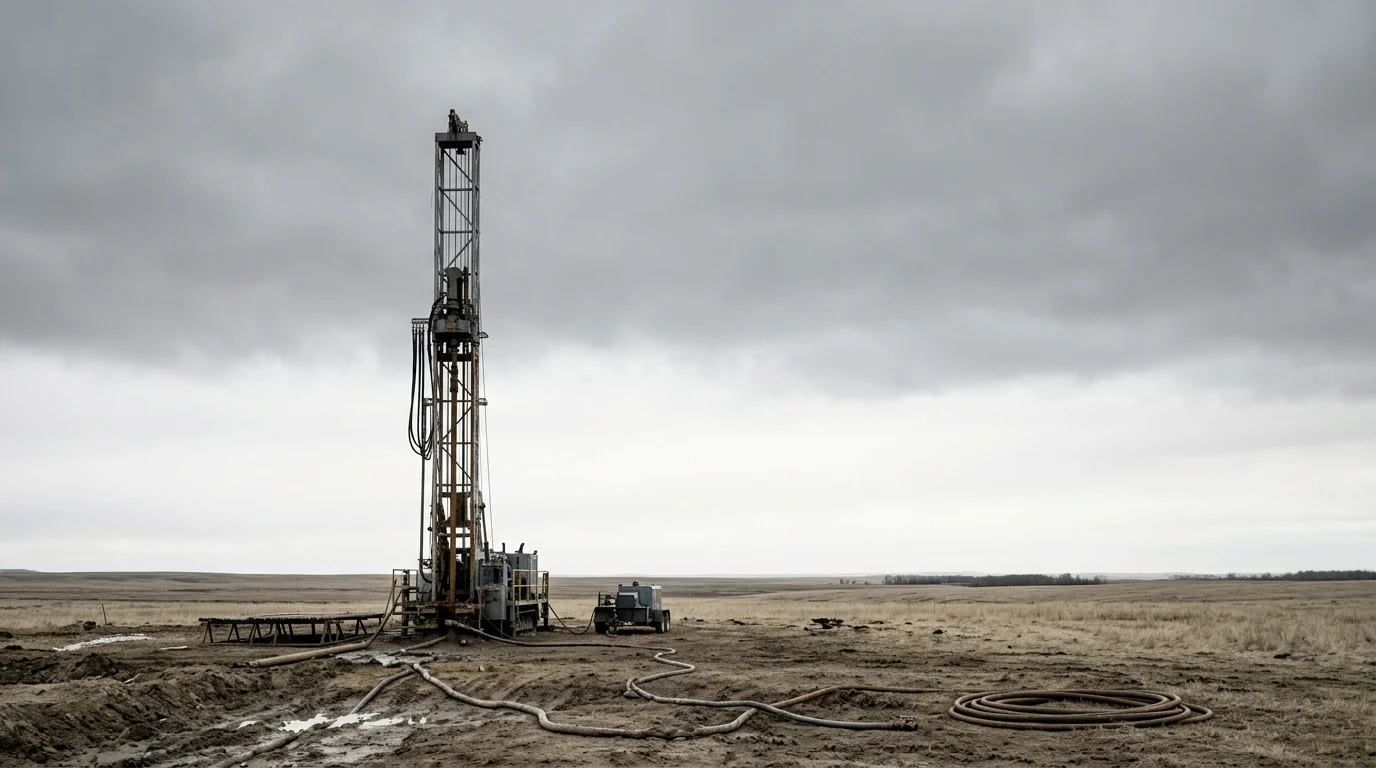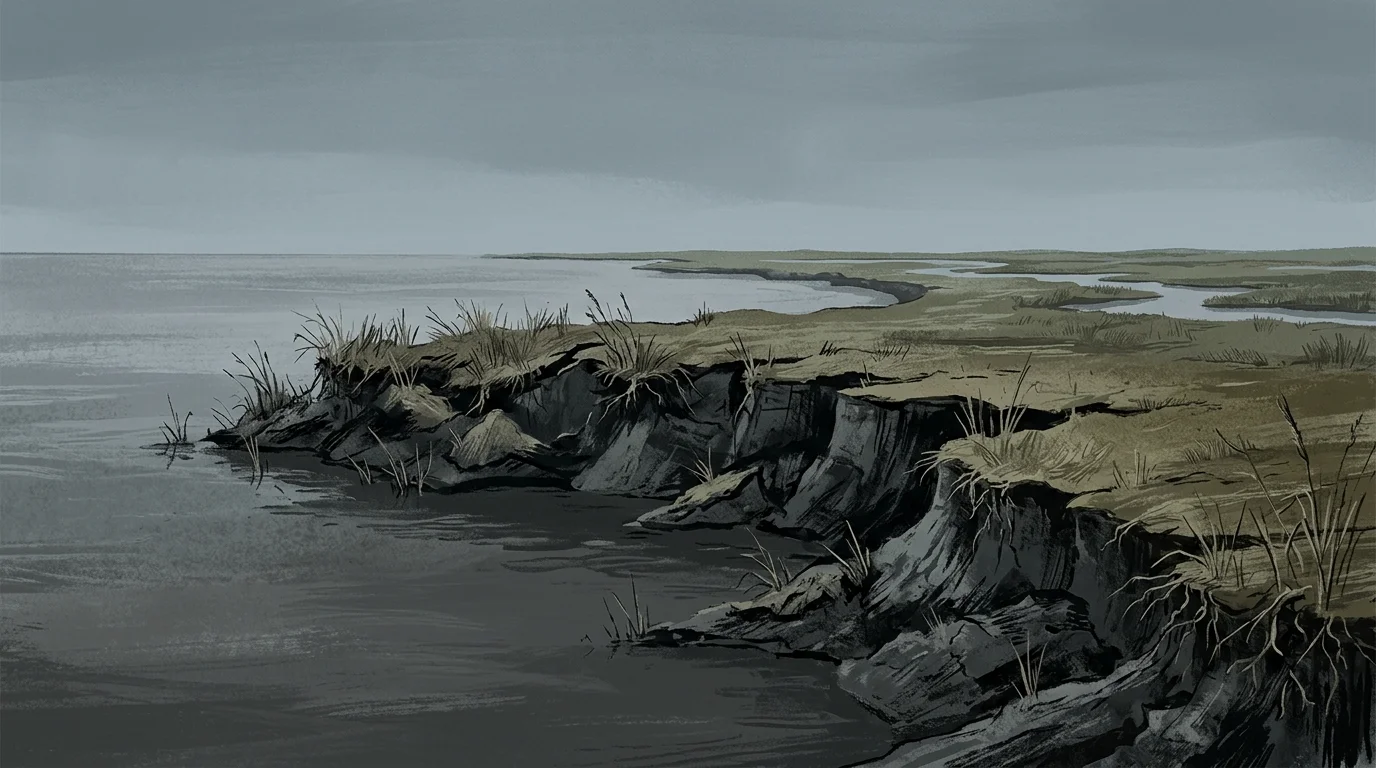
Terrebonne Parish, Louisiana, is moving to stabilize the eroding shoreline of Lake Chien, a brackish lake in the lower parish near Pointe-aux-Chenes, using a restoration technique that works with nature rather than against it.
The project, called a living shoreline, uses materials like rock breakwaters, oyster reef structures, and marsh plantings to absorb wave energy and rebuild wetland edges. It is the approach Louisiana's coastal planners have increasingly embraced over the past decade as an alternative to bulkheads and concrete seawalls, which stop erosion in one spot but can accelerate it elsewhere.
The stakes in lower Terrebonne are hard to overstate. Louisiana is losing land faster than anywhere else in North America, roughly a football field every 100 minutes by USGS estimates, and Terrebonne Parish has lost a higher share of its land than almost any other coastal parish in the state. The area around Lake Chien sits at the heart of that loss. Mississippi River levees built after the 1927 flood cut off the sediment that once rebuilt the delta naturally. Oil and gas canals dredged through the marshes for decades opened pathways for saltwater intrusion. Then came Katrina, Ike, and most recently Hurricane Ida, which made landfall near Port Fourchon in August 2021 and tore apart vegetation that held what remained of the marsh together.
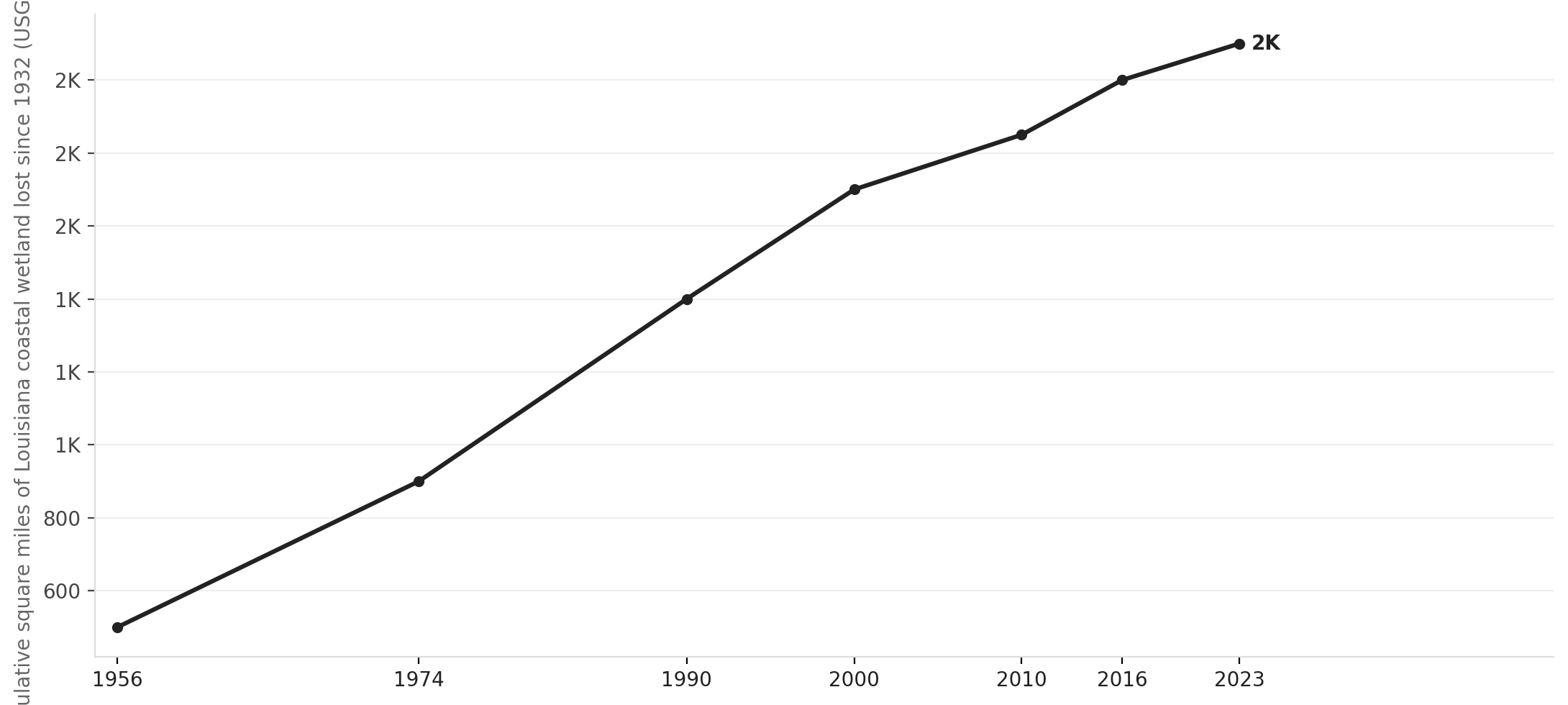
Source: NationGraph.
The communities most exposed to that unraveling are Indigenous ones. The Pointe-au-Chien Indian Tribe and the United Houma Nation have ancestral connections to these marshes, and families there have watched cemeteries, fishing grounds, and home sites sink or wash away over generations. The Isle de Jean Charles community, just west of Pointe-aux-Chenes, became the subject of the first federally funded climate relocation of an entire community in the United States, completed in 2022.
The Terrebonne Parish Consolidated Government posted the Lake Chien project on its bid opportunities portal, though the posting does not disclose the project's budget, funding source, or full scope of work. Those details are expected to become clearer as the procurement process moves forward.
If successful, the project would add to a growing portfolio of restoration work in the parish, alongside the long-in-progress Morganza-to-the-Gulf hurricane protection system. But no single project can reverse losses that have been building for nearly a century. What living shoreline work along Lake Chien can do is buy time, and for the communities still rooted in lower Terrebonne, time is what matters most.