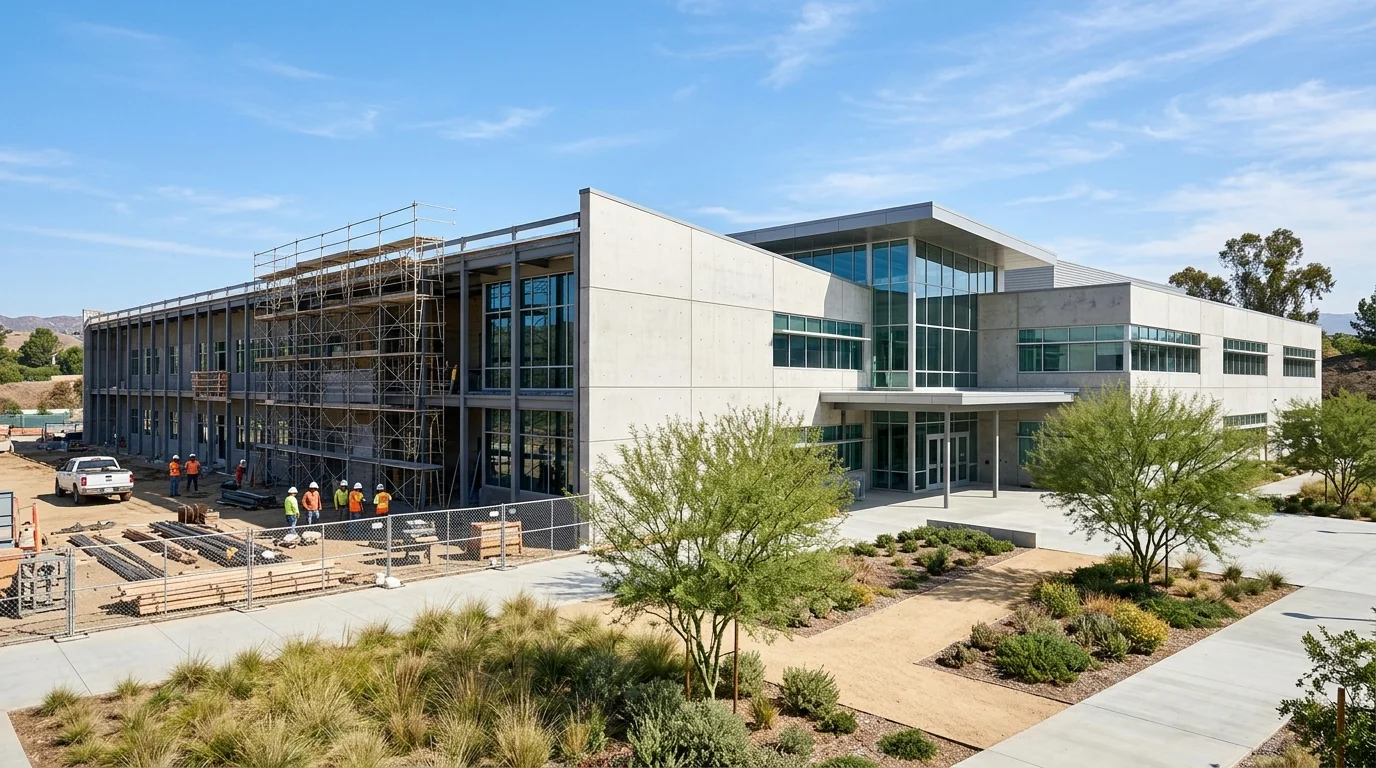
Friendswood, Texas is pushing ahead with a major water pipeline expansion to open up one of the city's last large undeveloped tracts, a project that could shape how the Houston-area suburb grows for years to come.
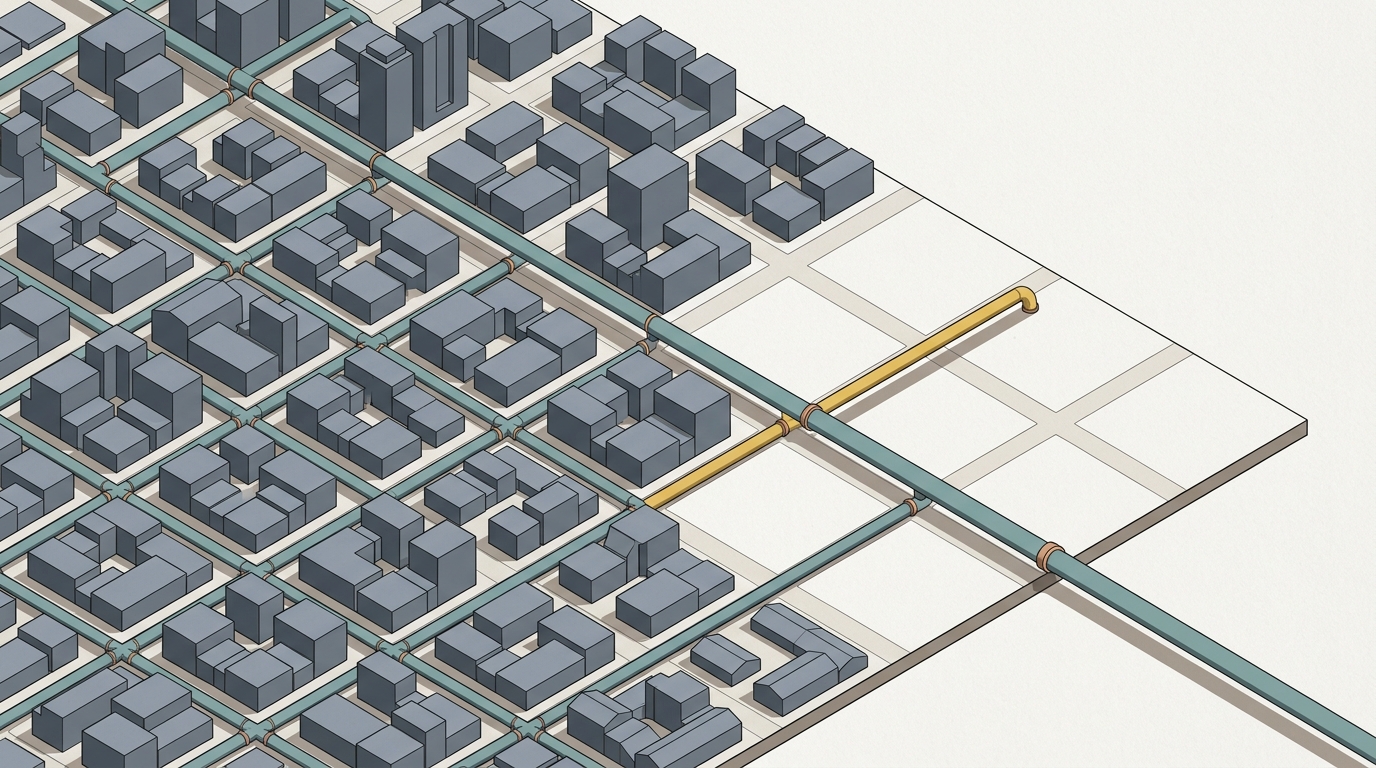
The city is seeking contractors to build a 16-inch water transmission line in three phases to serve Friendswood Trails, a new master-planned residential development on the city's outskirts. A 16-inch trunk line is backbone infrastructure, the kind designed to deliver high-volume water supply to an area that currently can't support significant development without it. Until that capacity exists, large-scale construction at Friendswood Trails isn't viable.
Friendswood, straddling Galveston and Harris counties about 20 miles southeast of downtown Houston, operates its own water utility and purchases treated water from the City of Houston. The new pipeline would extend that distribution network to reach Friendswood Trails, which sits among the limited remaining buildable land in a city that is otherwise largely developed or flood-prone.
The exact cost of the project has not been disclosed publicly, which leaves residents in the dark on a key question: who pays for it. Whether the bill falls to city taxpayers through bonds or rate increases, or to the developer through impact fees or direct contributions, is the kind of detail that typically generates debate in communities weighing the costs and benefits of new growth. Friendswood's city council has historically been more cautious about development than some of its neighbors, but pressure from the booming Houston metro has been relentless.
The bidding process has been unusually iterative. Seven separate addenda have been issued since the project was first posted in March 2026, a sign of significant design revisions, scope clarifications, or coordination challenges, though not necessarily a red flag for a project of this scale. LJA Engineering, a major Houston-area civil engineering firm that handles infrastructure work for dozens of Texas municipalities, is managing the procurement.
Texas faces an estimated $80 billion water infrastructure gap through 2070, according to the Texas Water Development Board, and smaller cities like Friendswood often struggle to finance major projects without straining their rate base or bond capacity.
With bid documents available through LJA Engineering's portal, contractor selection is the next step. Once a contract is awarded, residents will have a clearer picture of the project's scope and timeline. The cost question may take longer to answer.