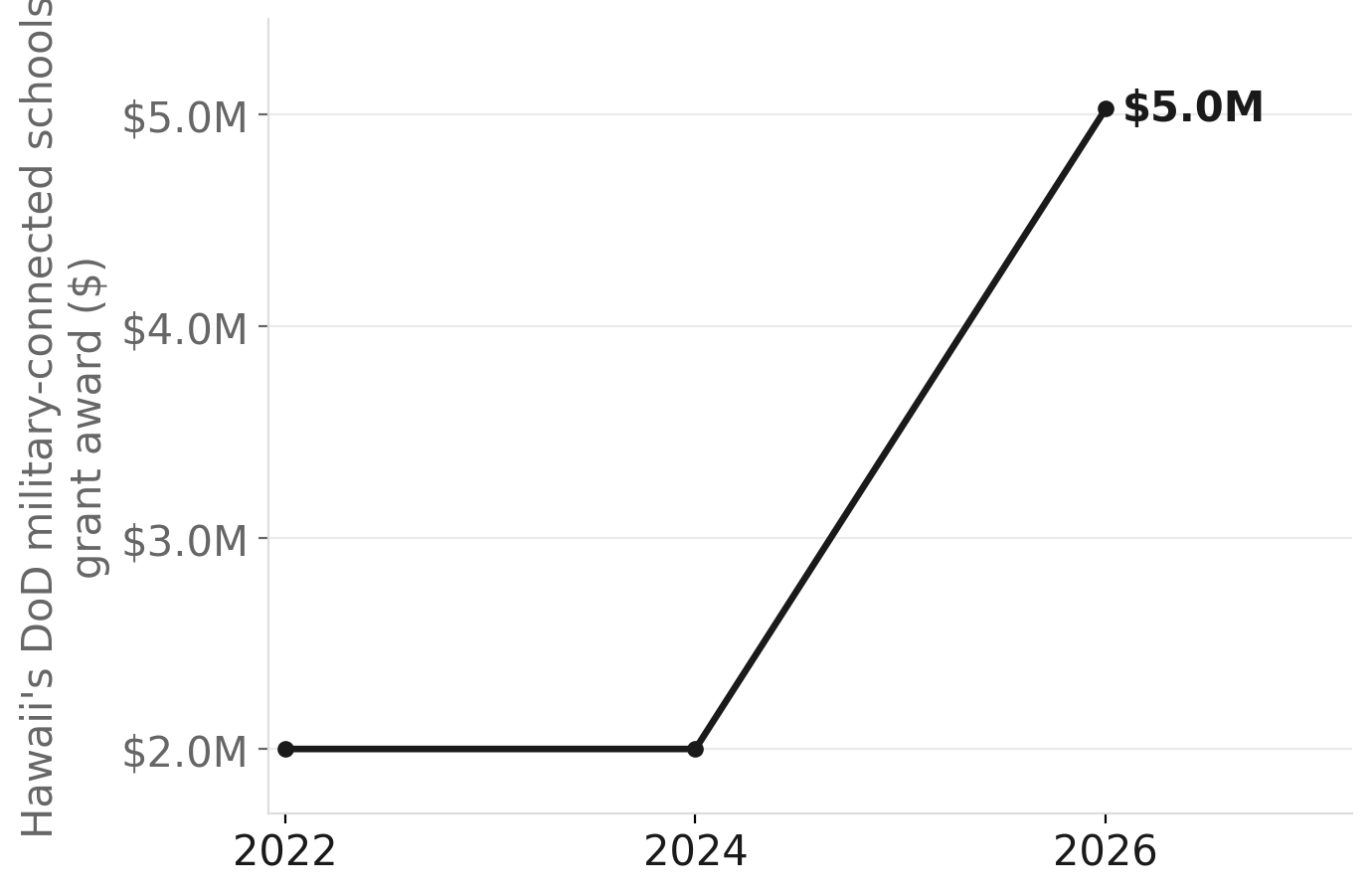
The Hawaii State Department of Education received a $5,028,747 federal grant in July 2026 under the Department of War Education Activity's competitive school-improvement program, the largest single award the state has ever collected under that program and a 151 percent increase over the $2 million Hawaii won in the same competition two years ago.
The grant runs through July 2031 and carries Priority 1 designation for school safety and emergency infrastructure, a new strand the DoWEA (formerly DoDEA, redesignated under Executive Order 14347 in September 2025) added to its FY2026 competition. That addition, combined with a $100 million national pool for the cycle, created an opening Hawaii was structurally built to exploit.
The structural fact is this: Hawaii is the only state in the country with no DoD-operated schools. Every child of a service member stationed on Oʻahu, Kauaʻi, or Hawaiʻi Island attends a Hawaii DOE school. That means the statewide DOE files a single consolidated application covering Army families at Schofield Barracks, Navy and Air Force families at Joint Base Pearl Harbor-Hickam, Marines at Kaneohe Bay, and personnel from the Coast Guard, Space Force, and Pacific Command, all of them. In every other state, that same pool of eligibility is split among dozens of local education agencies, each filing separately, each competing against the others.
Source: NationGraph.
The DoWEA program, authorized under 10 U.S.C. §2008 (CFDA 12.556), funds academic achievement at schools with high military-connected enrollment. The FY2026 competition added an explicit construction and facilities-modernization strand, with Priority 1 status reserved for emergency health and safety needs: structural failures, aging HVAC systems, environmental hazards. That new strand is what pushed Hawaii's award from the $2 million range, where it had sat in both FY2022 and FY2024, past $5 million in a single cycle.
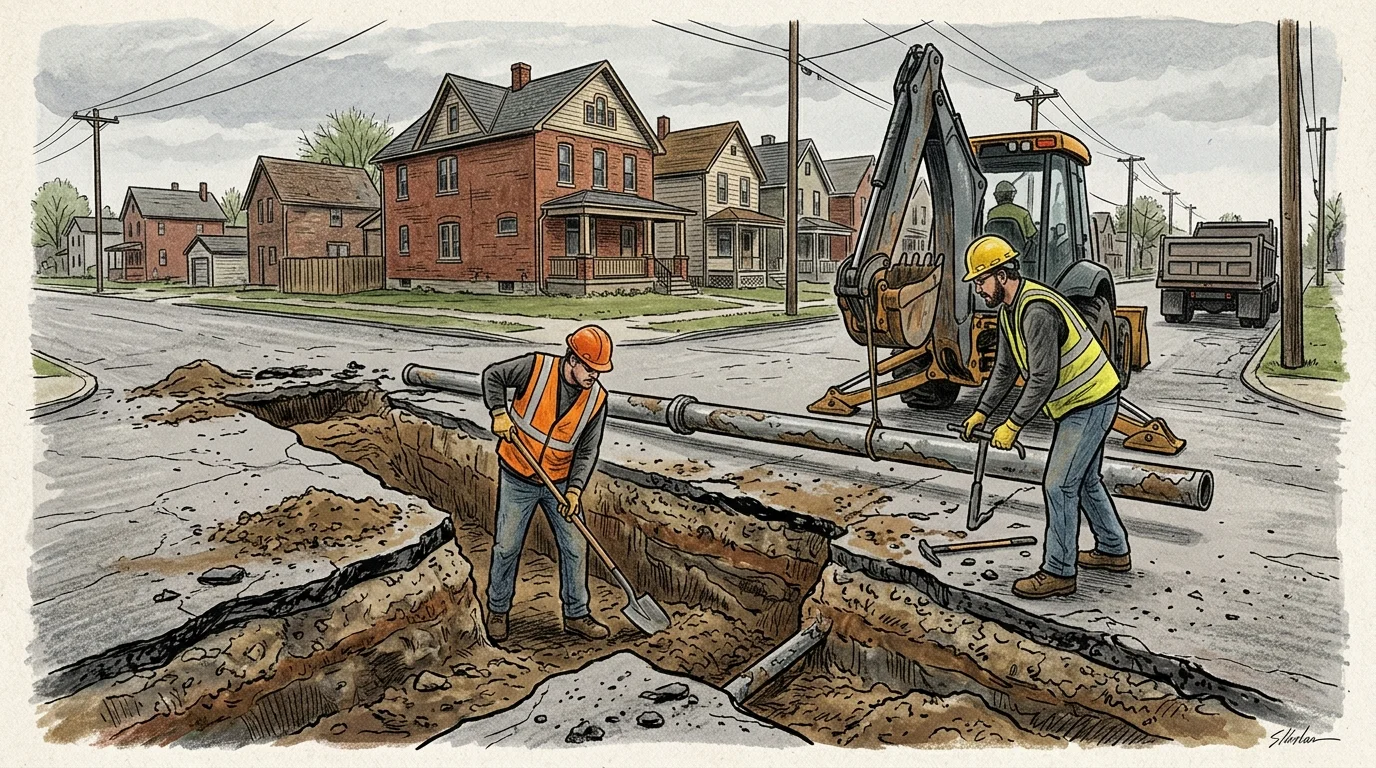
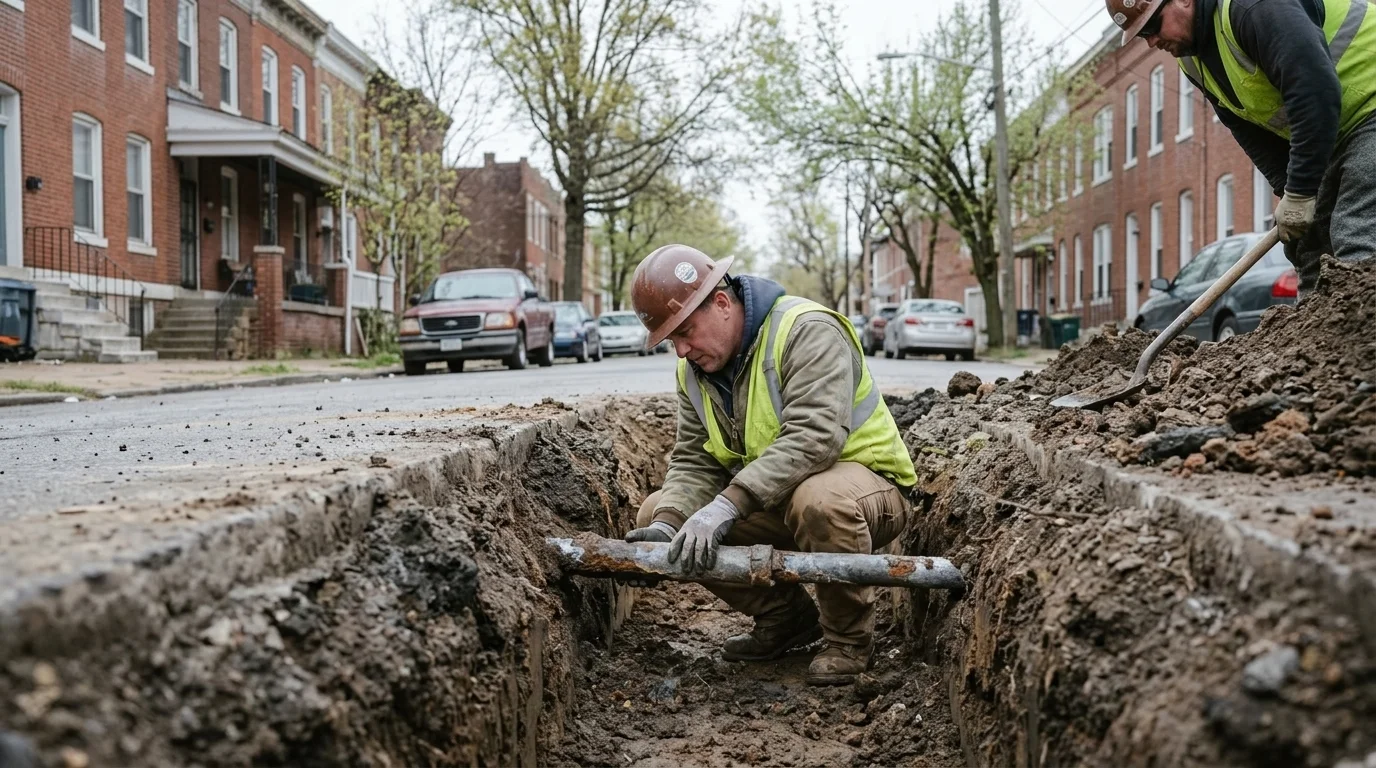
School-level procurement is already moving. A request for proposals for fencing and covered-gym improvements at Nuuanu Elementary School appeared in state procurement records in May and June 2026, showing that construction scoping began before the award was formally announced. Nuuanu Elementary serves a neighborhood with significant military-family enrollment in the Punchbowl area above Honolulu.
The congressional backdrop matters, though it is a separate mechanism from the grant competition itself. Senator Mazie Hirono, as Ranking Member of the Senate Armed Services Subcommittee on Readiness and Management Support, secured more than $1.1 billion in DoD infrastructure provisions for Hawaii in the FY2026 National Defense Authorization Act (P.L. 119-60). That broader NDAA authorization governs the cycle under which the DoWEA grant was competed, but the grant itself is a separate competitive award, Hawaii won it on the merits of its application, not as a direct appropriation.
What makes the finding notable is how the structural advantage compounds. Hawaii holds the highest number of military-dependent children per capita of any U.S. state, with all six service branches operating major installations across three islands. The Hawaii DOE, created as a statewide agency at statehood in 1959 rather than the local-district model every other state uses, was not designed with federal grant optimization in mind. But every time DoWEA raises its award ceiling or introduces a new program strand, the consolidated-applicant structure becomes more valuable. The FY2026 pool was the largest in the program's recent history; Hawaii captured close to five percent of it with one application.
For families living near military installations on Oʻahu and the neighbor islands, the practical output is facility improvements at the public schools their children already attend. The five-year grant window means projects can move through design, permitting, and construction on a realistic timeline rather than being forced into a single budget year. Hawaii's aging school stock, much of it built in the postwar era when military-family enrollment first surged, has infrastructure needs that a multi-year federal commitment is better positioned to address than annual state capital budgets.
The next signal to watch is how Hawaii DOE allocates the $5 million across specific schools and installations. The Nuuanu Elementary RFP is one early indicator; the DOE's project selection process over the coming months will show whether the investment concentrates in the highest-enrollment military communities in central and leeward Oʻahu or spreads more broadly to neighbor-island schools near Kaneohe Bay and the Pacific Missile Range Facility on Kauaʻi. DoWEA's next competitive cycle, expected in FY2028, will test whether Hawaii can sustain or extend this award level, and whether any other state finds a way to consolidate its applications in the meantime.