Morro Bay, California is pushing ahead with dredging work at the State Park Marina, the latest effort by the small Central Coast city to reclaim navigable water from decades of relentless sediment buildup that has steadily strangled its harbor.
The city has posted a solicitation for contractors to perform maintenance dredging at the marina, which sits in the back bay, the part of the estuary most prone to shoaling and where water depths have fallen to levels that make boat access unreliable. The goal is to restore the marina to usable depths while protecting the surrounding ecosystem.
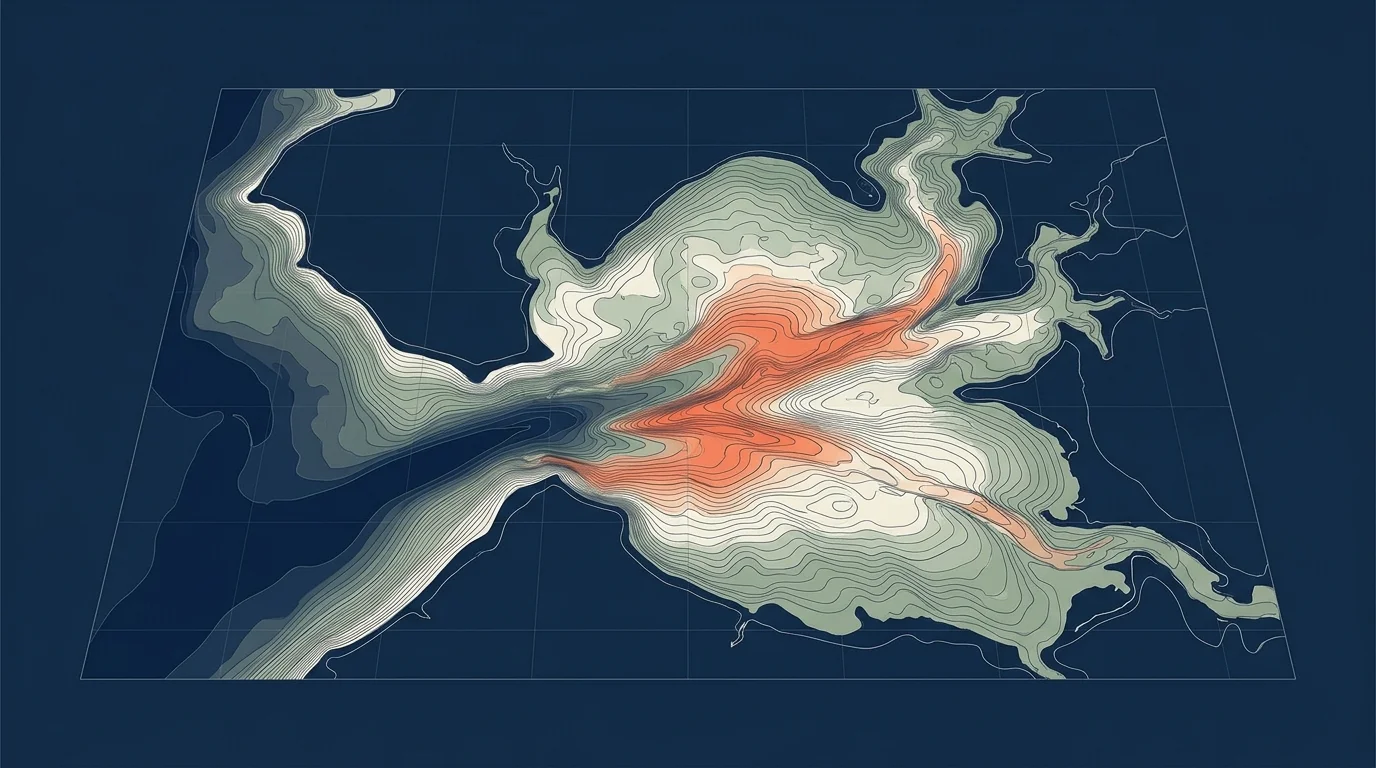
The stakes extend well beyond a single marina slip. Morro Bay's estuary is one of the most ecologically significant on the California coast, home to southern sea otters, eelgrass beds, black brant, and steelhead trout. It has been designated one of the EPA's 28 National Estuary Program sites since 1995. But the bay is disappearing in slow motion: studies suggest the estuary has lost roughly 25 to 30 percent of its tidal prism, the volume of water exchanged between high and low tide, since the 1960s. Less tidal exchange means more sediment settling in place and shallower water year by year.
Source: NationGraph.
Much of the problem traces back to the federal breakwater completed in 1942, which altered natural tidal flushing and sediment transport patterns. The Army Corps of Engineers maintains the harbor entrance channel, but the interior waterways and marina areas fall to the city and California State Parks, a fragmented responsibility that has repeatedly led to deferred maintenance.
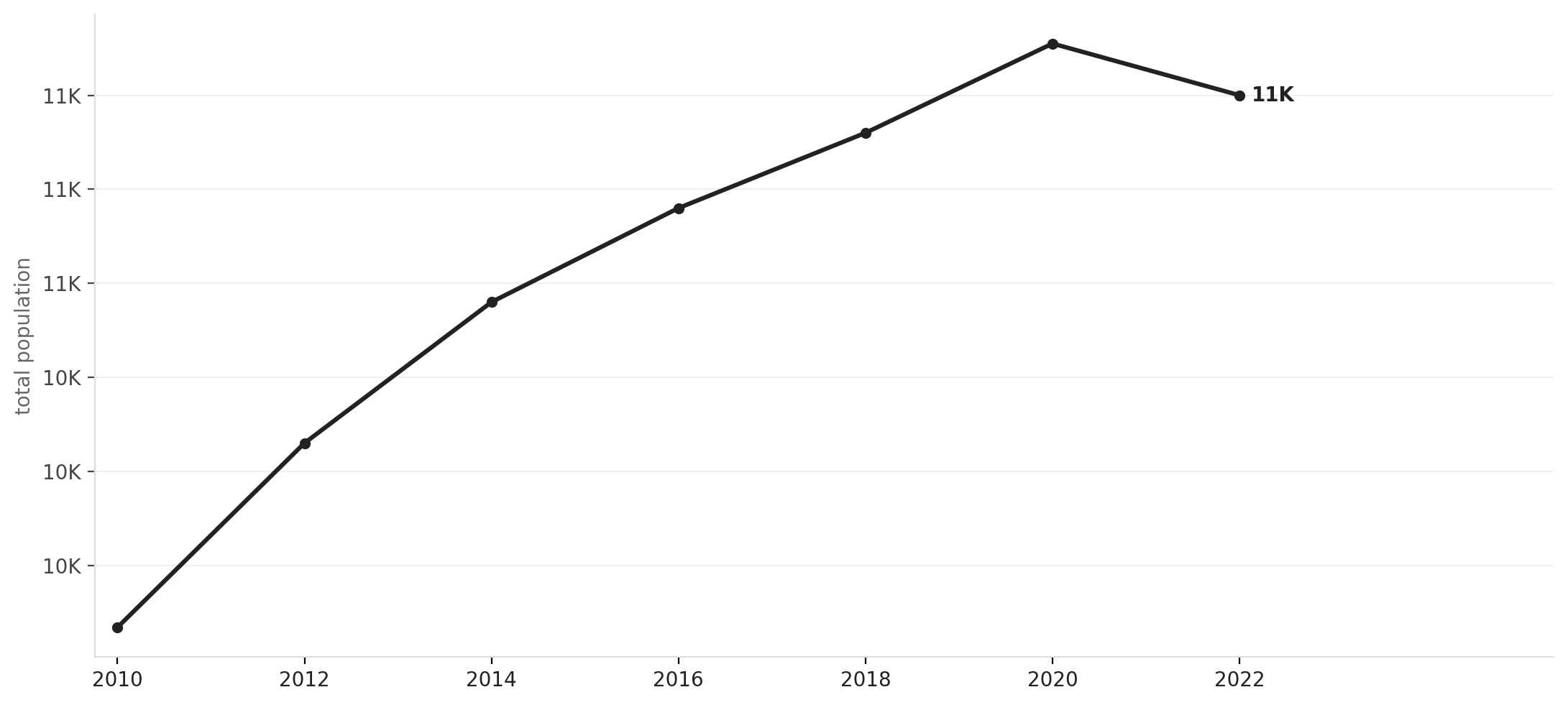
For Morro Bay, a city of about 10,800 residents, the harbor is the economic core of the community. It supports one of the last working commercial fishing fleets between Monterey and Santa Barbara, along with the tourism and recreation businesses that depend on accessible water. Dredging is also among the most complicated and expensive work the city undertakes, requiring permits under the Clean Water Act, the California Environmental Quality Act, the Coastal Development Permit process, and Endangered Species Act consultations to avoid harming the very marine life the estuary is known for.
The city has been cobbling together funding from state grants, including California's Division of Boating and Waterways, and local harbor funds to keep pace with sedimentation. The State Park Marina project adds another layer of intergovernmental coordination, with California State Parks owning the underlying infrastructure while the city takes the lead on procurement.
Contractor selection is underway. How quickly dredging can begin will depend on permitting timelines, which in Morro Bay's environmentally sensitive waters have historically added months to project schedules.