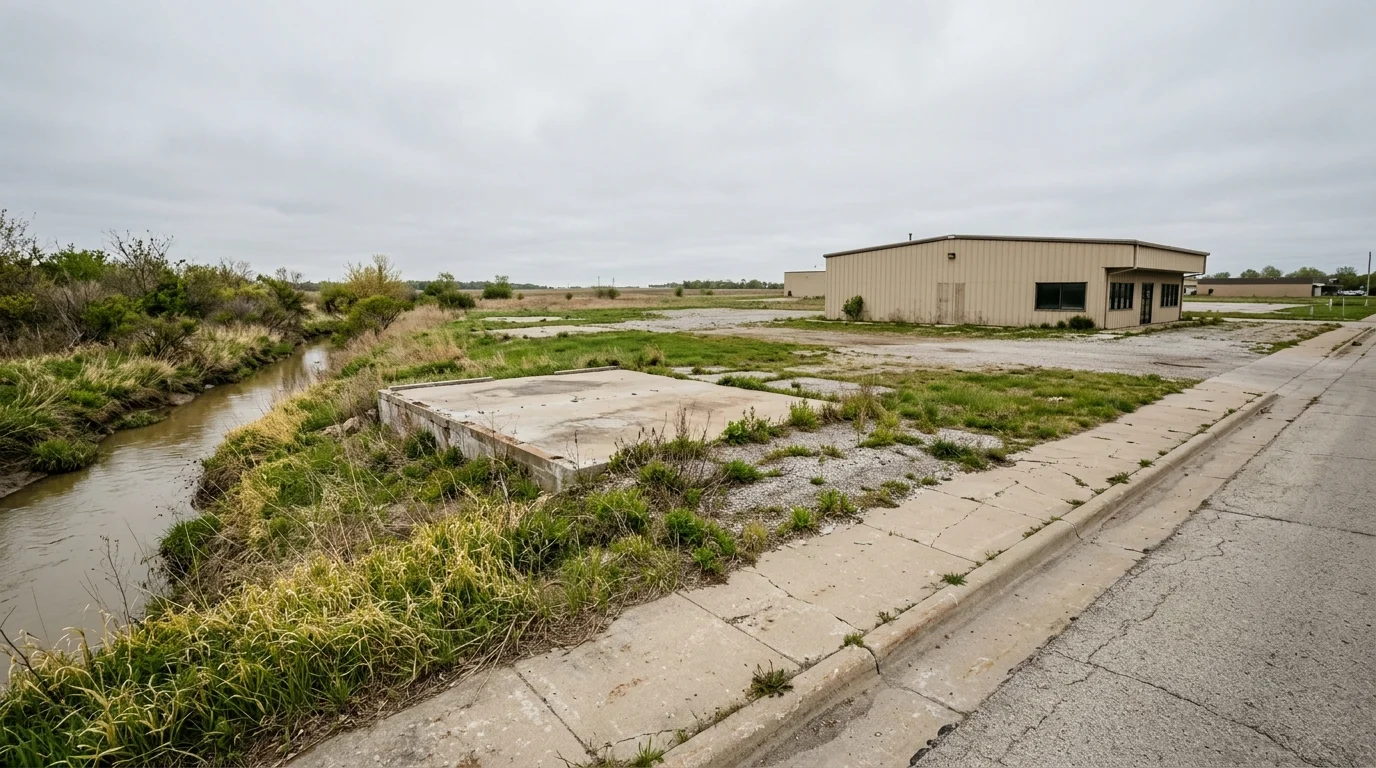
Barangay Mabiga, a flood-prone community in Hermosa, Bataan, is getting a significant engineering intervention: the municipality is moving forward with a project to rechannel the Hermosa River, redirecting and reshaping its course to better handle the heavy rains and typhoons that regularly inundate the area.
Hermosa sits in a particularly vulnerable stretch of Bataan province, wedged between the Zambales mountain range and Manila Bay. Every monsoon season, rivers draining down from the mountains funnel through the municipality toward the coast, and when water volume spikes during typhoons, communities like Mabiga pay the price in flooded homes, damaged crops, and displaced families. The Philippines is struck by roughly 20 typhoons a year on average, and Central Luzon took a direct hit from Typhoon Karding in September 2022, which caused widespread flooding across the region and may have pushed this project to the front of the queue.
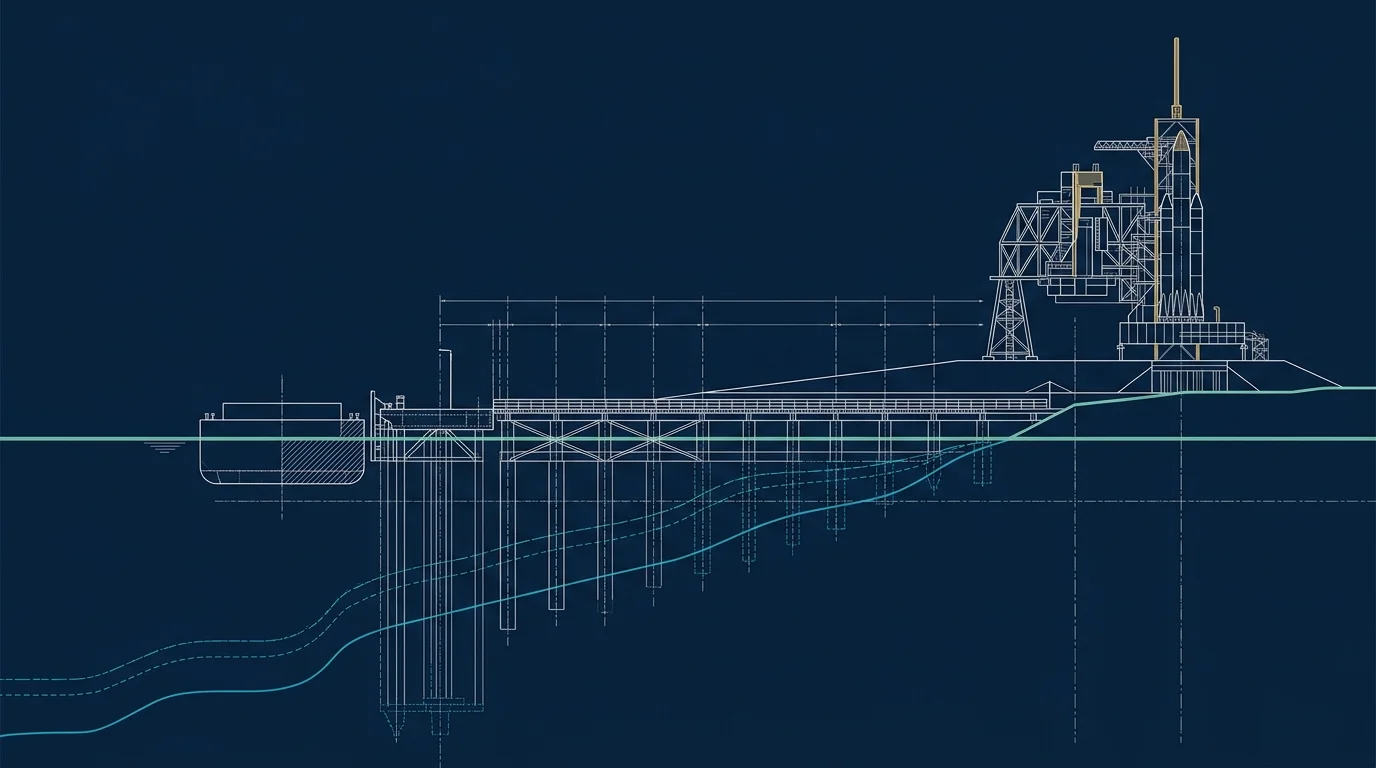
Rechanneling works by altering a river's cross-section or alignment to increase its capacity to carry water without overflowing its banks. It is a standard flood mitigation tool used by local government units across the country, and Hermosa's decision to pursue it here fits within both the national Flood Management Master Plan and the mandates of the Philippine Disaster Risk Reduction and Management Act, which requires local governments to set aside resources for exactly this kind of mitigation work. This project follows similar efforts in the municipality, including a recent intervention on a lahar-choked river threatening another village in Hermosa.
The municipality is now seeking contractors through a competitive public bidding process under the Government Procurement Reform Act. The project budget, detailed timeline, and full technical scope have not been publicly confirmed outside the formal bid documents. Those figures, once disclosed, will determine the scale of what Mabiga residents can expect.
Flood control projects of this type have faced questions nationally about whether rechanneling solves the underlying problem or shifts flood risk to communities downstream. How Hermosa's engineers have accounted for that possibility will likely become clearer as the project's technical specifications are made public during the procurement process.