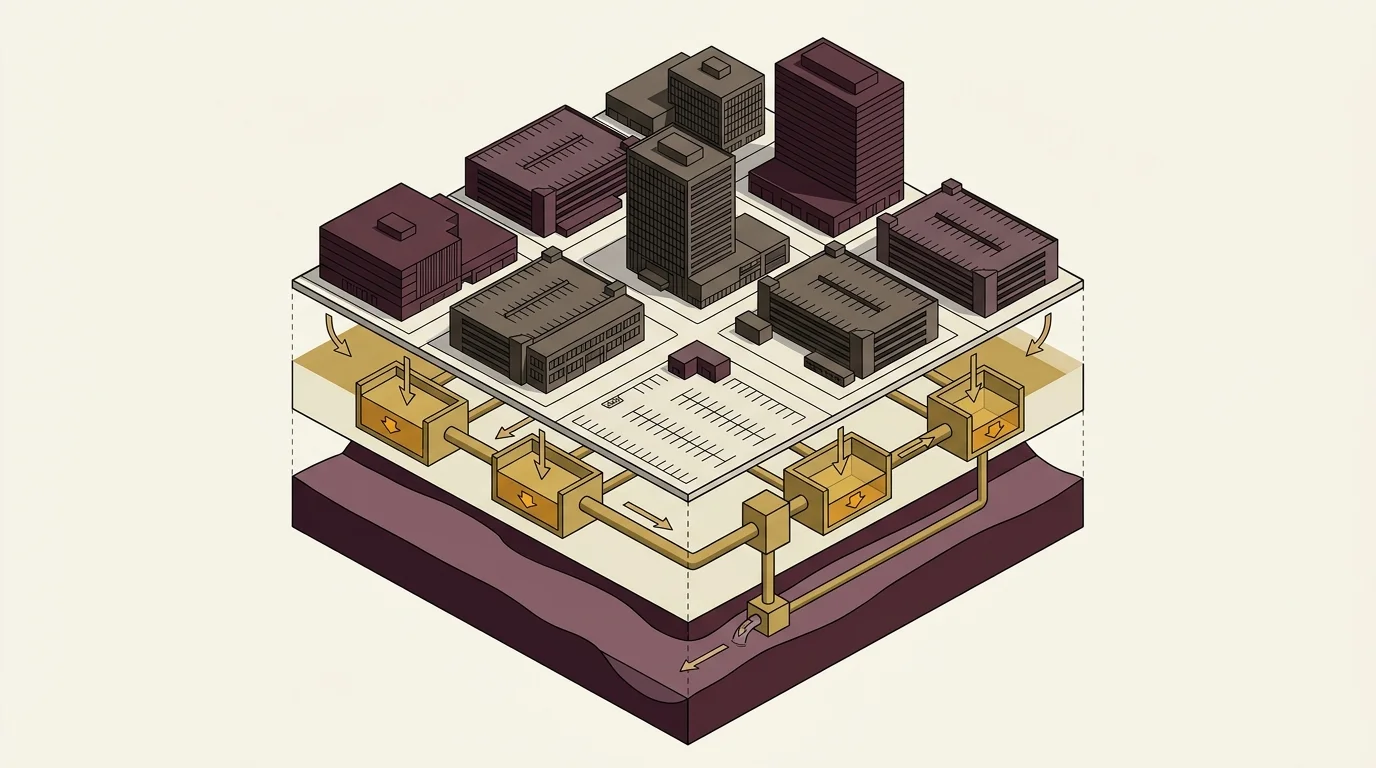
West Houston's Memorial City corridor, one of the hardest-hit zones during Hurricane Harvey in 2017, is moving forward with a new stormwater detention basin designed to hold back floodwaters that have repeatedly overwhelmed the area.
The city is now hiring construction managers and inspectors for the project, a signal that design work is complete and ground-breaking is close. The basin will be funded through TIRZ 17, the Memorial City Redevelopment Authority, which captures incremental property tax growth from the district and reinvests it locally. The corridor's high property values and ongoing development, anchored by Memorial City Mall and the Memorial Hermann hospital campus along the Interstate 10 corridor, make it one of Houston's wealthier reinvestment zones.
The financing choice carries some irony. Decades of commercial and residential development in this stretch of west Houston paved over Gulf Coast prairie that once absorbed rainfall, dramatically increasing runoff into Buffalo Bayou and its tributaries. Now, the tax revenue that development generates is being redirected to build the flood infrastructure the area never had.
Harvey was the breaking point. The storm dumped more than 60 inches of rain on parts of the region in 2017, flooding over 150,000 homes and causing an estimated $125 billion in damage. During the storm, the U.S. Army Corps of Engineers made the controversial decision to release water from the nearby Addicks and Barker reservoirs, flooding thousands of additional homes. A landmark 2019 federal court ruling found the government liable for those upstream floods.
Harvey transformed flood mitigation into Houston's top infrastructure priority. Harris County voters approved a $2.5 billion flood control bond in 2018, and the city has pursued parallel projects using drainage fees and reinvestment zone funds. Still, Houston faces an estimated $30 billion or more in unmet drainage needs across a metro area that continues to grow, and detention basin projects in built-out commercial corridors face steep land acquisition costs.
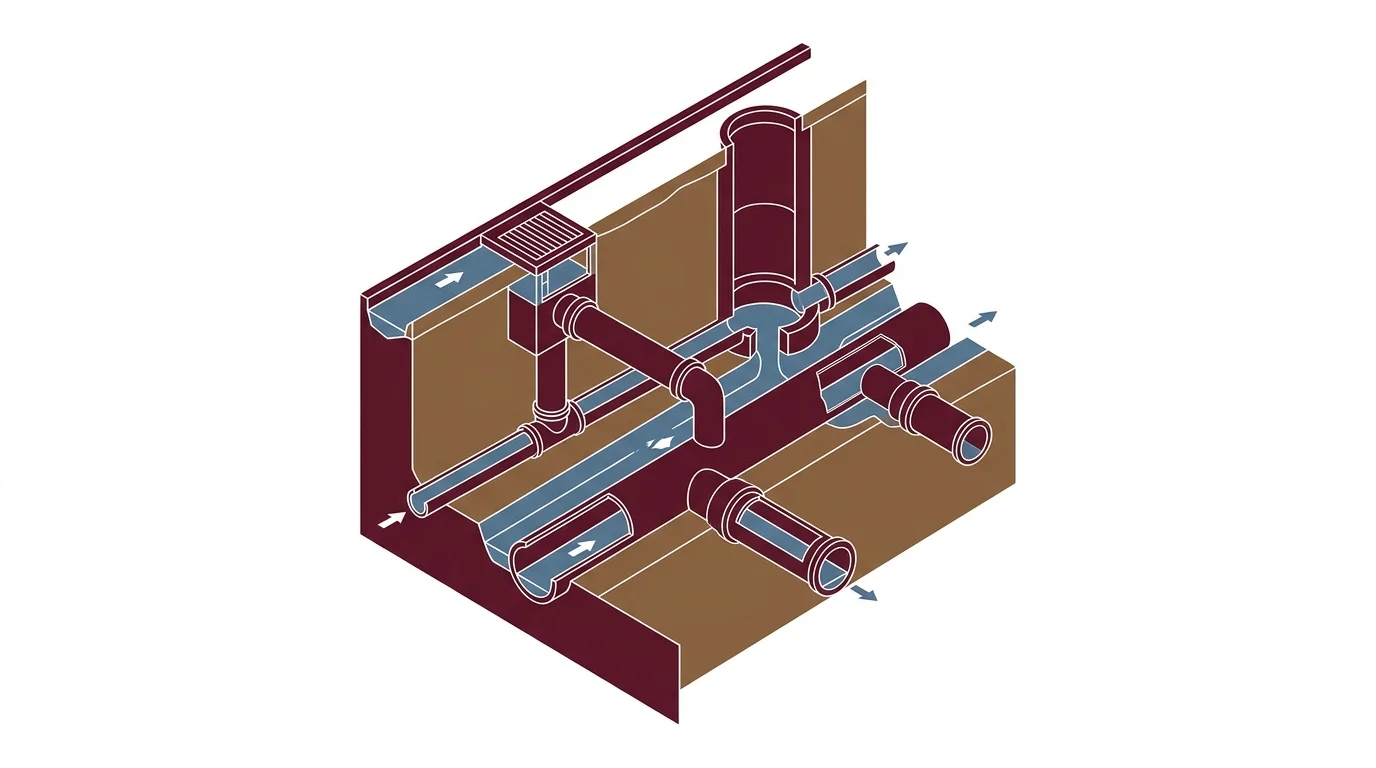
Detention basins work by capturing stormwater during heavy rain and releasing it slowly, reducing the surge that overwhelms drainage channels and bayous. The Memorial City basin is one piece of a much larger regional effort, but it targets a zone where flood risk and land values collide in ways that have made progress historically slow.
With construction management contracts now being sought, the timeline for when the basin will actually be operational remains to be confirmed. Climate projections for the Gulf Coast indicate that intense rain events will grow more frequent, keeping the pressure on Houston to close that gap before the next major storm.