Four Colorado mountain communities are moving forward with electric buses and charging infrastructure, backed by a $3.6 million federal grant that will put new vehicles on some of the most challenging roads in the country for battery-powered transit.
Colorado DOT will distribute the funds to Archuleta County, the City of Durango, Gunnison Valley RTA, and the Town of Vail. Combined, the money will pay for six vehicles (two replacements and four new additions) and six charging units across the four systems.
The stakes go beyond clean energy. In communities like Vail, Durango, and Gunnison Valley, public transit is a lifeline for the service workers who keep ski resorts, restaurants, and hotels running but can no longer afford to live in the towns where they work. As housing costs have pushed workers farther from employment centers, reliable bus service has become increasingly essential. Vail, with a permanent population of around 5,600, runs one of the most heavily used free transit systems in rural America. Durango's routes connect the city to the Southern Ute Indian Reservation.
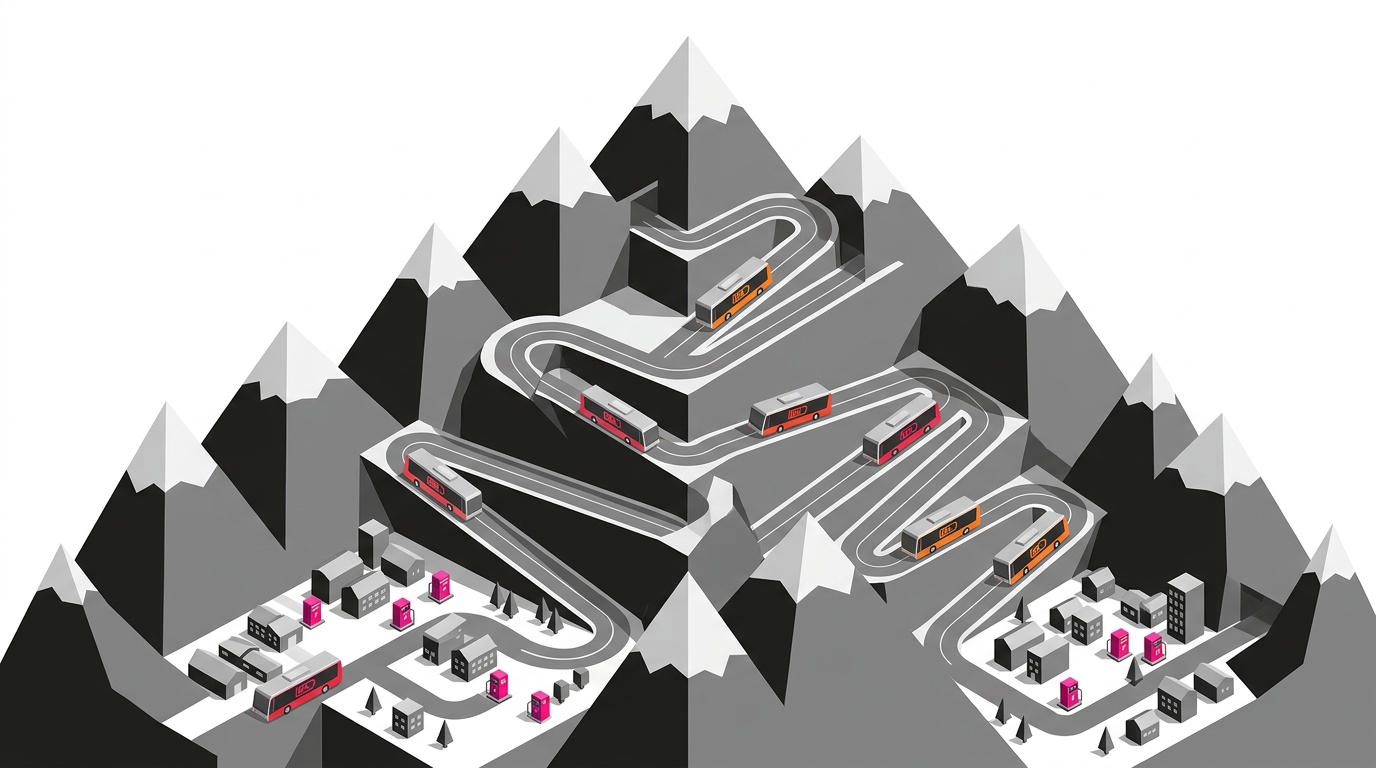
Electrifying these systems is a gamble on technology being tested at its limits. Mountain passes regularly exceed 10,000 feet. Winter temperatures are severe. Steep grades drain batteries faster than flat terrain. Cold weather shrinks range further. These are exactly the conditions that give fleet managers pause when swapping diesel for electric.
Funding for the transition hasn't been easy to come by through normal channels. The Federal Transit Administration's competitive Low or No Emission Vehicle Program drew nearly $9.6 billion in requests in fiscal year 2023 against just $1.1 billion available, and smaller rural agencies often struggle to compete against larger city transit systems with dedicated grant-writing staff and established electrification plans. This award came instead through a Congressional earmark, a funding mechanism Congress revived in 2021 after a decade-long moratorium, allowing individual members to direct dollars to specific local projects.
Colorado's SB21-260, passed the same year earmarks returned, set statewide mandates and incentives for transit electrification, adding pressure on rural agencies to modernize even as the practical hurdles remain significant.
Colorado DOT will administer the grant and pass funds through to the four local agencies. How quickly those dollars translate into vehicles on the road will depend in part on each agency's capacity to manage procurement, a process that has historically moved slowly for small rural operators.