Dallas Area Rapid Transit is moving to overhaul all 23 stations on its original Red and Blue light rail lines, tackling accessibility failures and safety concerns that have dogged the system since it opened in 1996.
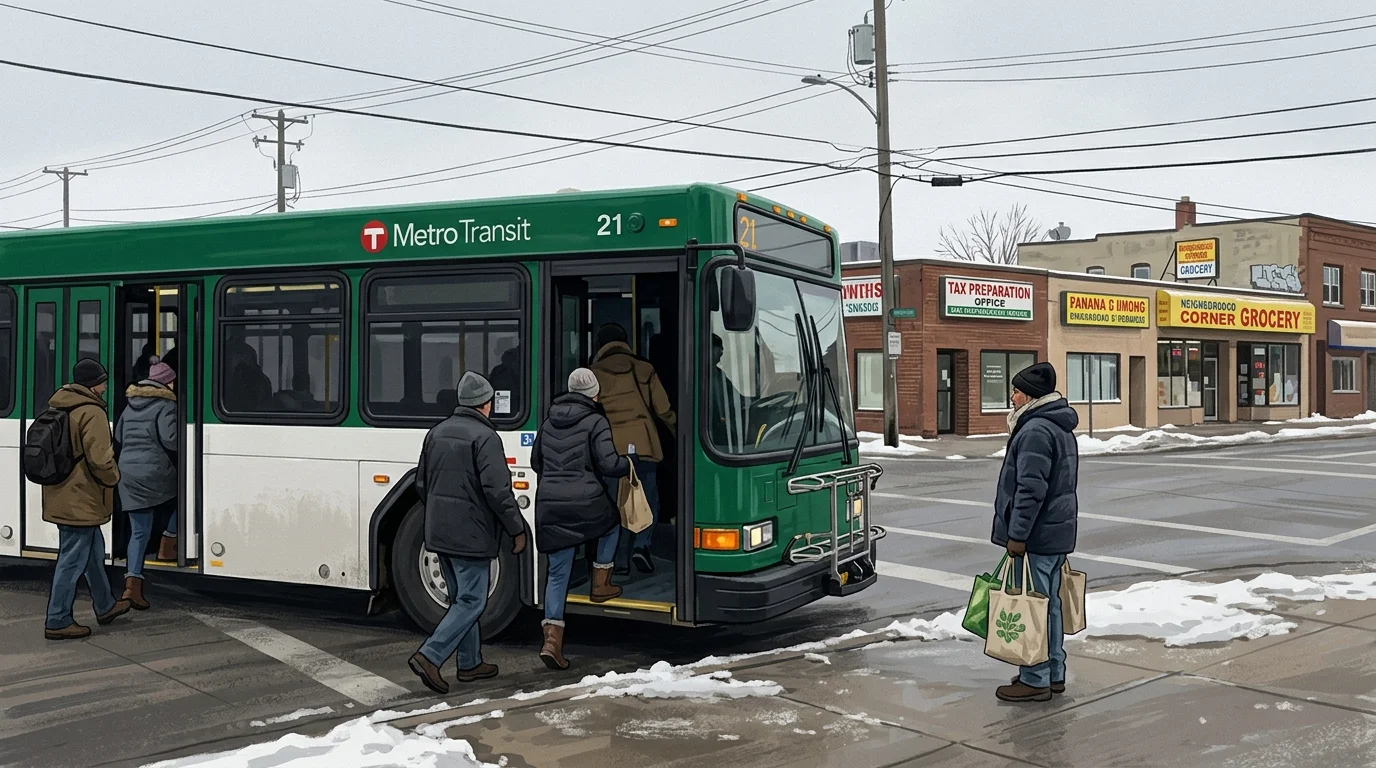
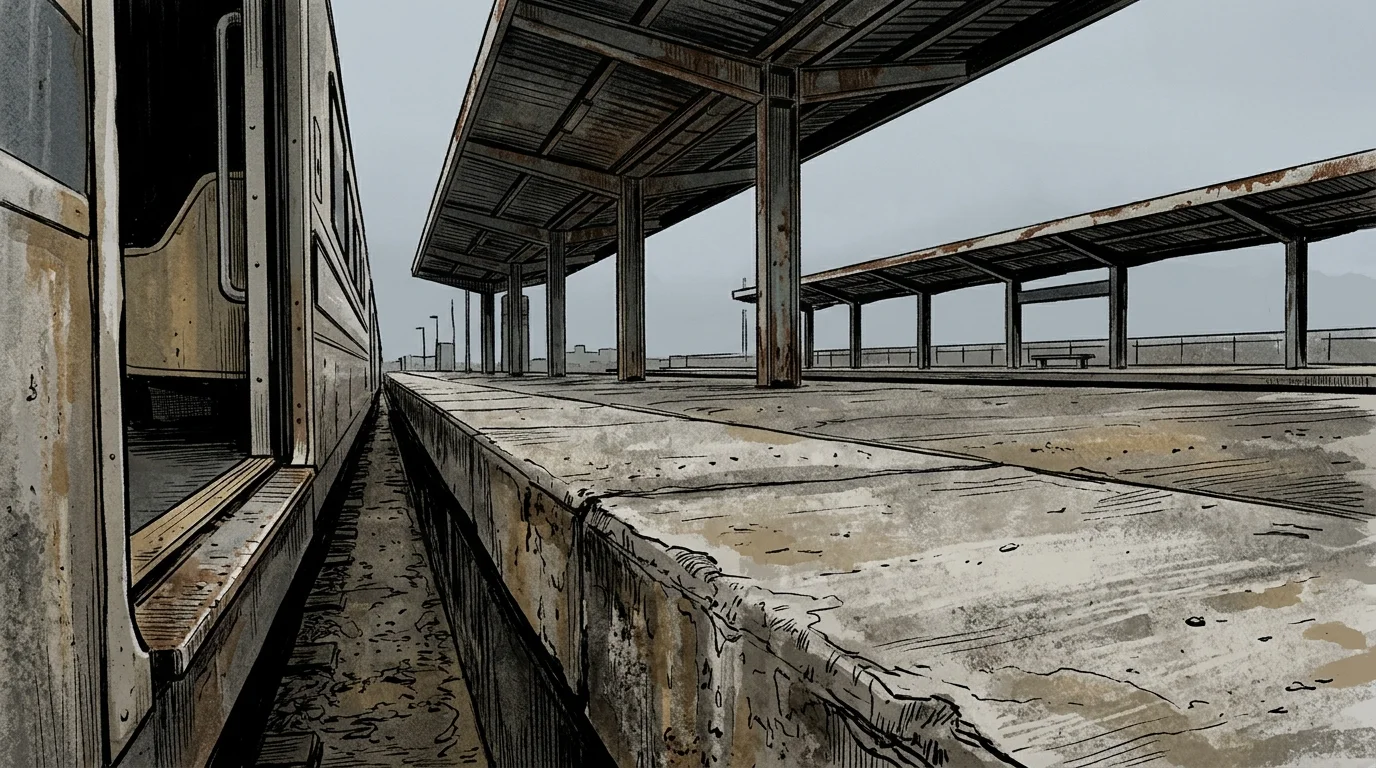
The core problem is physical: a gap and step between the train door and the platform that forces wheelchair users to wait for a ramp, slows boarding for everyone, and stems from a mismatch between station designs built three decades ago and the newer low-floor trains DART now runs. The agency is seeking contractors to fix that, bringing level boarding across the full length of every platform on both lines. The project also includes broader comfort and security upgrades, integrating better lighting and sightlines into the physical redesign at stations where DART has struggled with crime perceptions since the pandemic.
The scale signals something larger than routine maintenance. The Red and Blue lines are DART's oldest and busiest corridors, and 23 stations amounts to a near-complete overhaul of the original system. For years, the agency focused on geographic expansion, building out what became the longest light rail network in North America at 93 miles. That era appears to be over. DART's 2023-2040 system plan explicitly pivoted toward improving what already exists, and this program is the most concrete result of that shift.
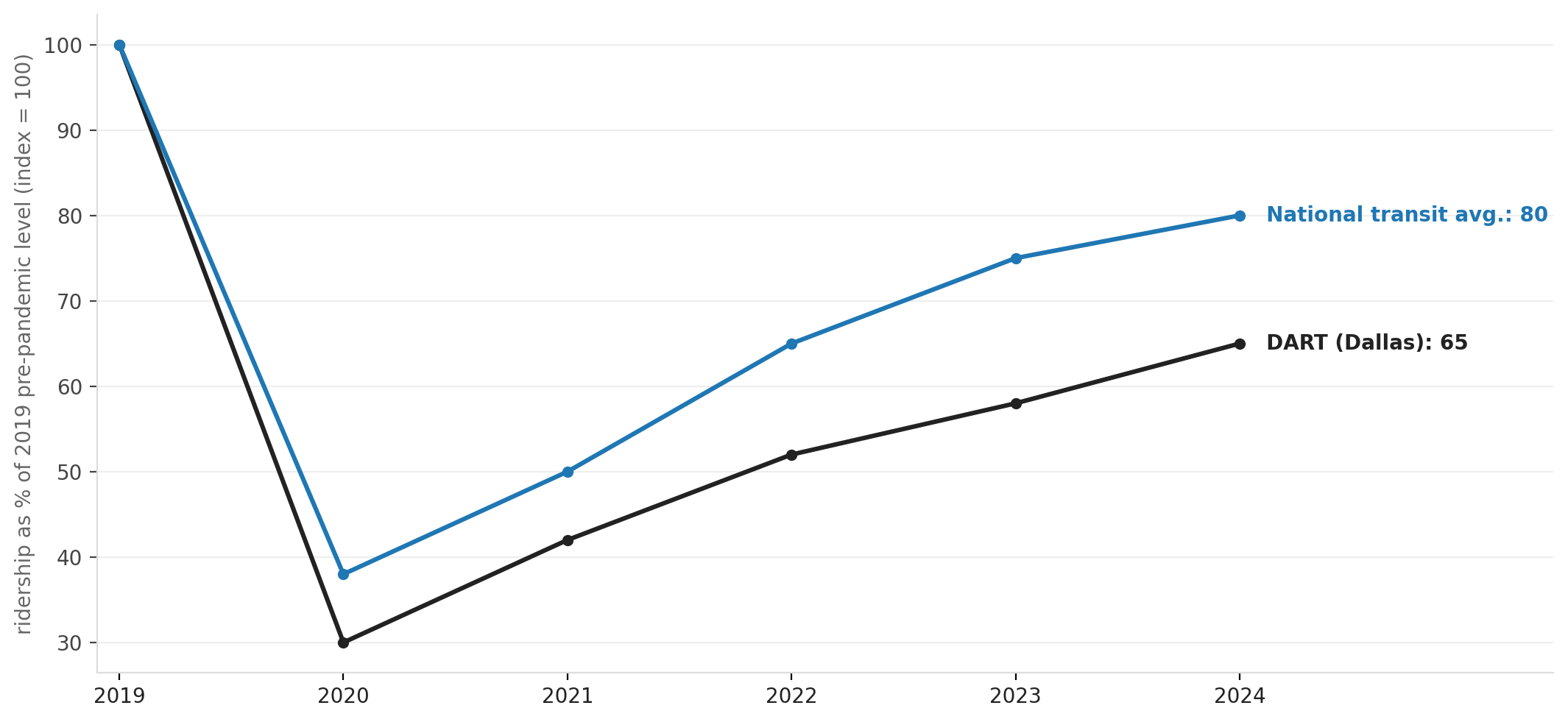
Source: NationGraph.
The political stakes are real. DART is funded by a 1-cent sales tax paid by residents in Dallas and 12 surrounding cities, generating roughly $800 million to $900 million a year. Suburban member cities including Plano and Irving have publicly questioned whether they're getting their money's worth, and Texas lawmakers filed bills in both 2023 and 2025 that would have made it easier for cities to leave the agency. Rebuilding ridership, which dropped 70 percent during COVID and has only partially recovered, is essential to defending that tax base.
North Texas's brutal summer heat makes station quality especially important for attracting riders who have alternatives. A system where boarding requires deploying a ramp in 100-degree weather is a system that loses riders to cars.
The project is funded locally through DART's sales tax revenue rather than federal grants, a choice that may allow the agency to move faster but also means the full cost falls on member cities. DART has not publicly disclosed a construction budget or completion timeline for the program.