Iowa is launching a $15.1 million overhaul of rural healthcare, targeting the provider shortages, cancer screening gaps, and hospital fragility that have worn down communities across 88 of the state's 99 counties for a generation.
The program, branded Healthy Hometowns, is funded through a federal Health and Human Services grant and will unfold over five years. State officials say they expect it to reduce avoidable emergency room visits, bring more care to patients locally, improve provider-to-population ratios, and increase telehealth consultations in areas where driving to a specialist can mean a 90-minute round trip.
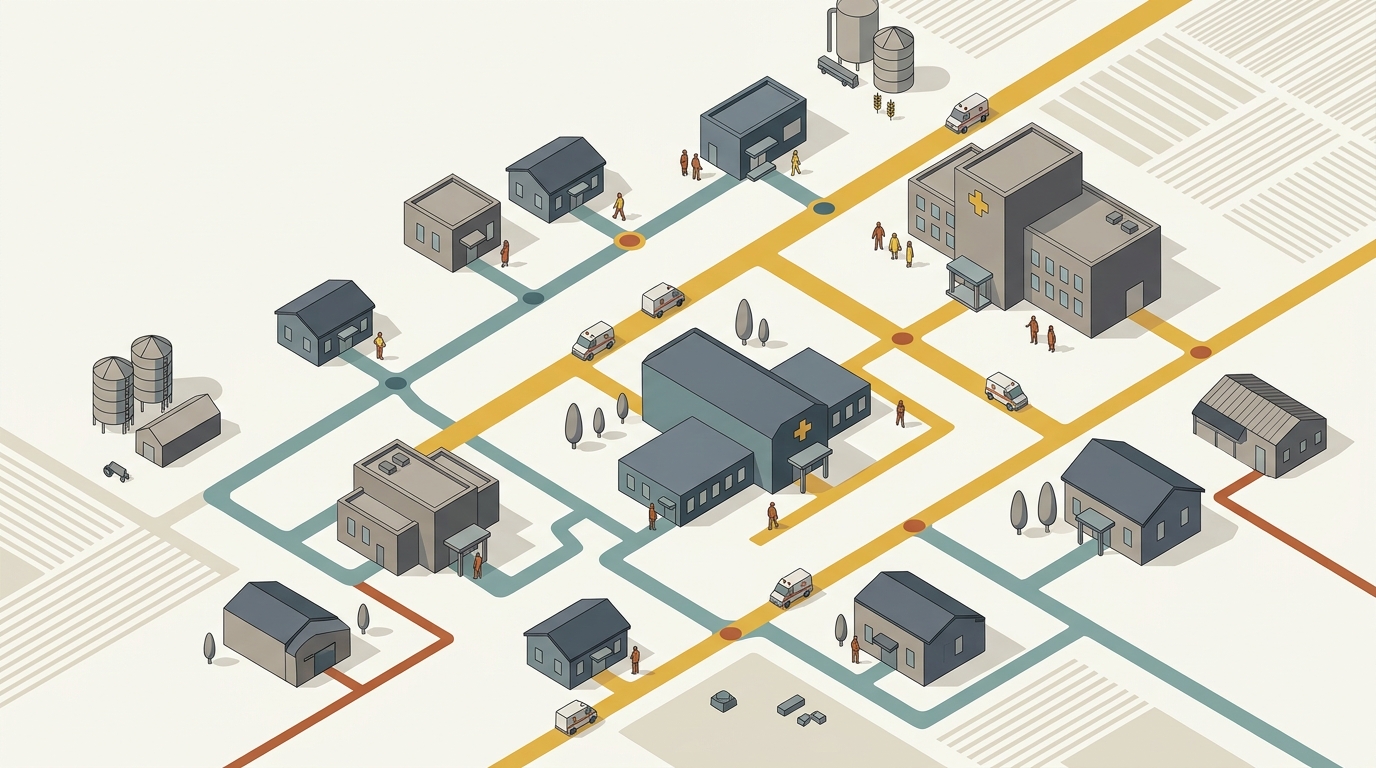
The core strategy is a hub-and-spoke model. Iowa will build what the program calls Health Hubs: networks connecting smaller rural clinics and hospitals to larger facilities through telehealth, shared equipment, and referral pathways. The design expands Governor Kim Reynolds' existing Centers of Excellence program, which has designated certain rural facilities as regional care anchors. Some hubs will extend into schools, bringing services directly into communities.
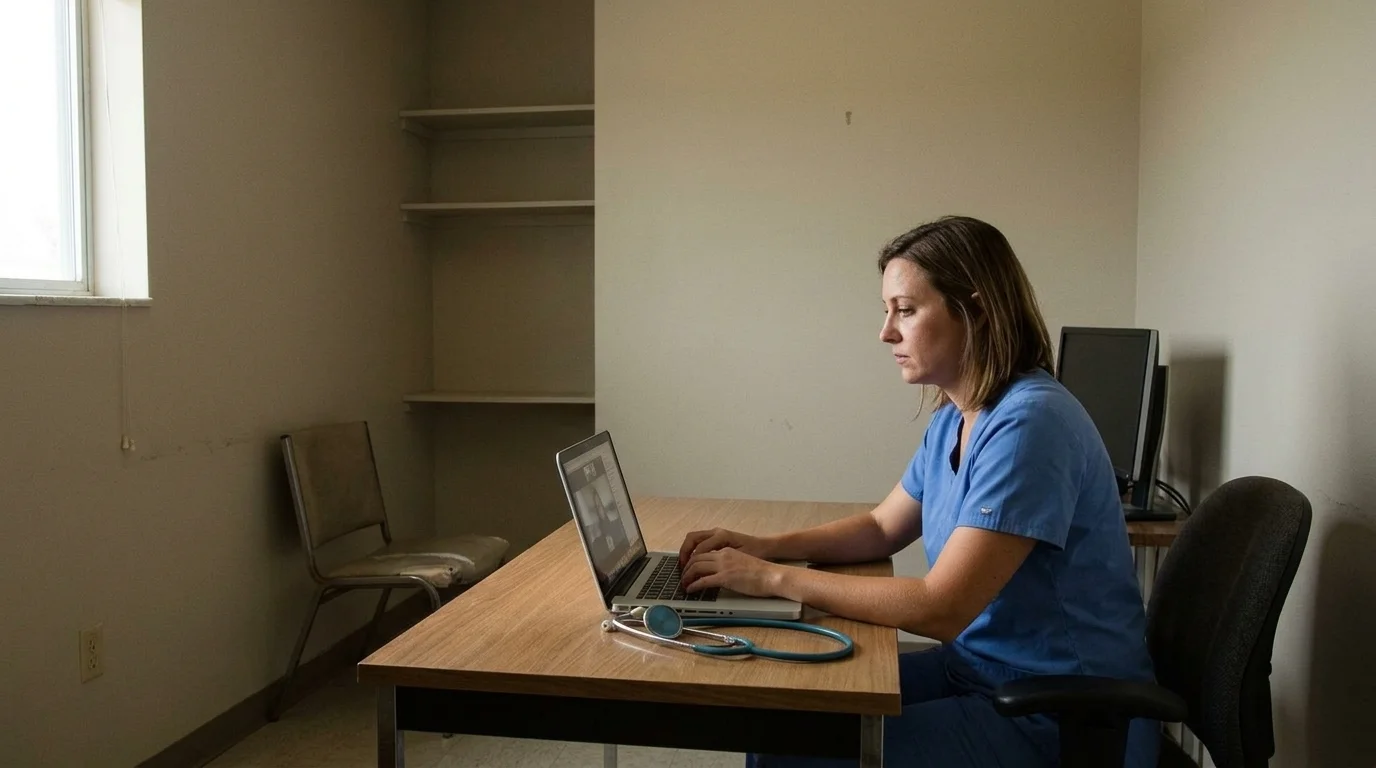
Recruiting and keeping doctors and nurses in rural Iowa is one of the most persistent challenges the program has to address. Iowa ranks near the bottom nationally for rural physicians per capita, and competition with neighboring states makes retention difficult. The grant sets aside funding specifically for workforce recruitment and retention, including community health workers who will serve as guides helping patients navigate the new network.
Cancer is a particular focus. Iowa has among the highest indoor radon levels in the nation, which drives elevated lung cancer rates, and the program will fund radon testing and mitigation alongside that effort. It also covers mammograms and follow-up breast MRIs, colorectal cancer screening, skin cancer diagnosis via telehealth, and prostate screening — addressing conditions that rural Iowans are more likely to develop and less likely to catch early.
The program also takes on a quieter crisis: maternal care. More than half of rural counties nationwide lack obstetric services, and Iowa has seen labor and delivery units close as rural hospitals struggle financially. The grant funds new telehealth technology for ambulances to support high-risk transport of mothers and newborns to higher levels of care, a direct response to the danger of long drives during complicated deliveries.
Rounding out the package is a statewide health information exchange, allowing medical records to follow patients across the new hub networks. Limited funds are also included to cover care for uninsured Iowans, a gap that has persisted since Iowa created its own alternative to full Medicaid expansion.
The scale of the challenge is steep. More than 150 rural hospitals nationwide have closed since 2010, and many of Iowa's 118 hospitals operate on negative margins. Whether $15 million over five years is enough to meaningfully reverse that trajectory remains an open question, but state officials will be tracking outcomes closely as the program gets underway.