A former industrial site in Harrison Township, Ohio is getting a federally funded cleanup after years of sitting contaminated with PFAS, the class of synthetic chemicals that persist indefinitely in soil and water and have been linked to cancer, thyroid disease, and immune system damage.
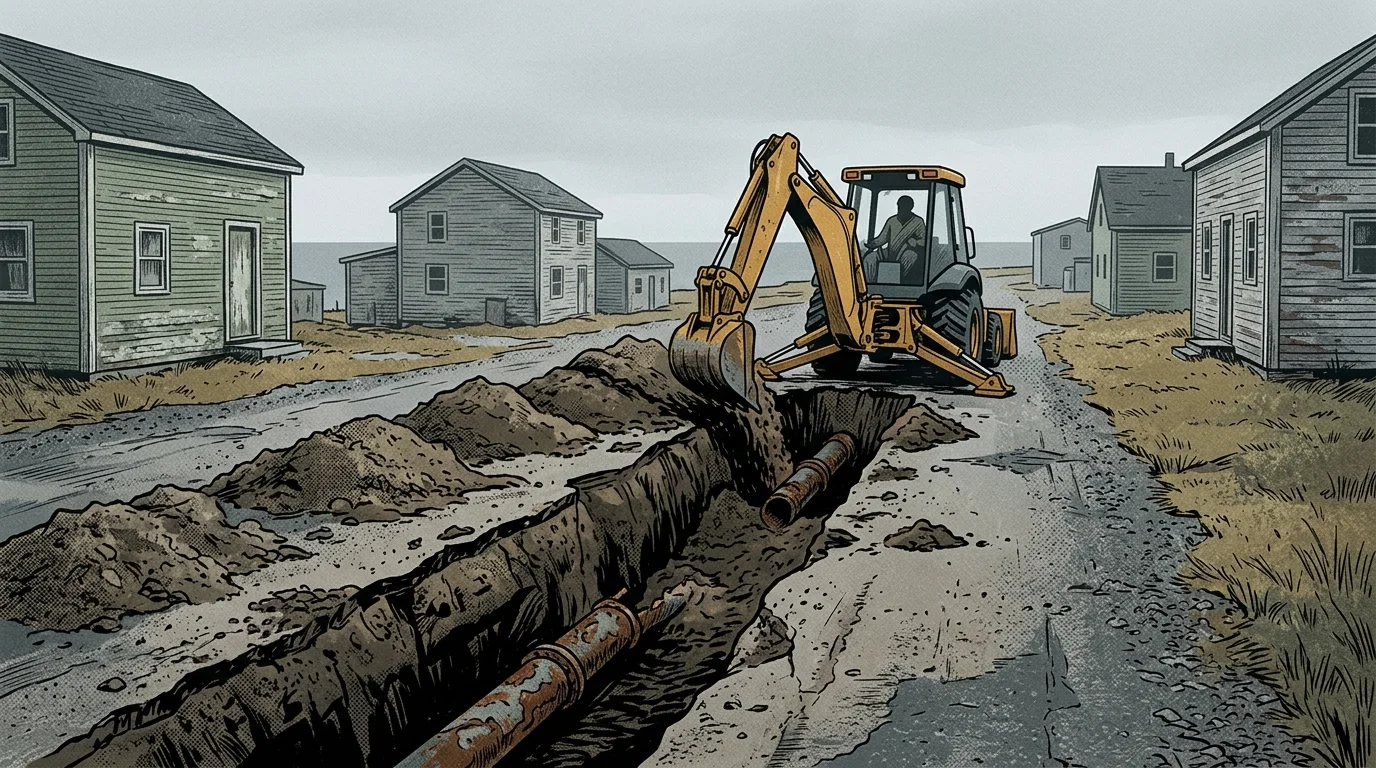
The EPA is directing $1 million to the township, an unincorporated working-class community of roughly 25,000 to 30,000 residents just north of Dayton, to excavate soil laced with PFAS and volatile organic compounds left behind by past industrial use. The funding was secured through the 2024 Consolidated Appropriations Act as a congressionally directed spending project, meaning a member of Ohio's congressional delegation specifically requested it rather than the township winning it through a competitive grant process.
PFAS, sometimes called forever chemicals, were widely used in industrial manufacturing for decades, from nonstick coatings to firefighting foam, before researchers and regulators began documenting their health risks. Because they don't break down in the environment, they accumulate in soil and groundwater long after a factory closes. The EPA designated two of the most common PFAS compounds as Superfund hazardous substances in April 2024 and finalized the first national drinking water standards for PFAS the same month, but most smaller contaminated sites like this one don't qualify for Superfund priority status, leaving local governments to find money on their own.
The Dayton region carries a heavy industrial history, from automotive and aerospace manufacturing to chemical production, and the deindustrialization of recent decades has left behind a scattered legacy of contaminated properties. Wright-Patterson Air Force Base, one of the largest military installations in the country and a known source of PFAS contamination from decades of firefighting foam use, sits nearby. Whether this particular site is connected to the base's contamination or reflects a separate industrial history isn't specified in the grant record.
For a township with limited local revenue, a $1 million federal earmark may be the only realistic path to remediation. Whether that amount covers the full scope of cleanup at the site is an open question: PFAS soil removal is expensive, and contamination often runs deeper and wider than initial assessments suggest. The EPA lists residents of both Harrison Township and the City of Dayton as intended beneficiaries.
The award was posted in May 2026, more than two years after the appropriation was signed into law, suggesting a lengthy gap between when Congress directed the funding and when cleanup work can actually begin.