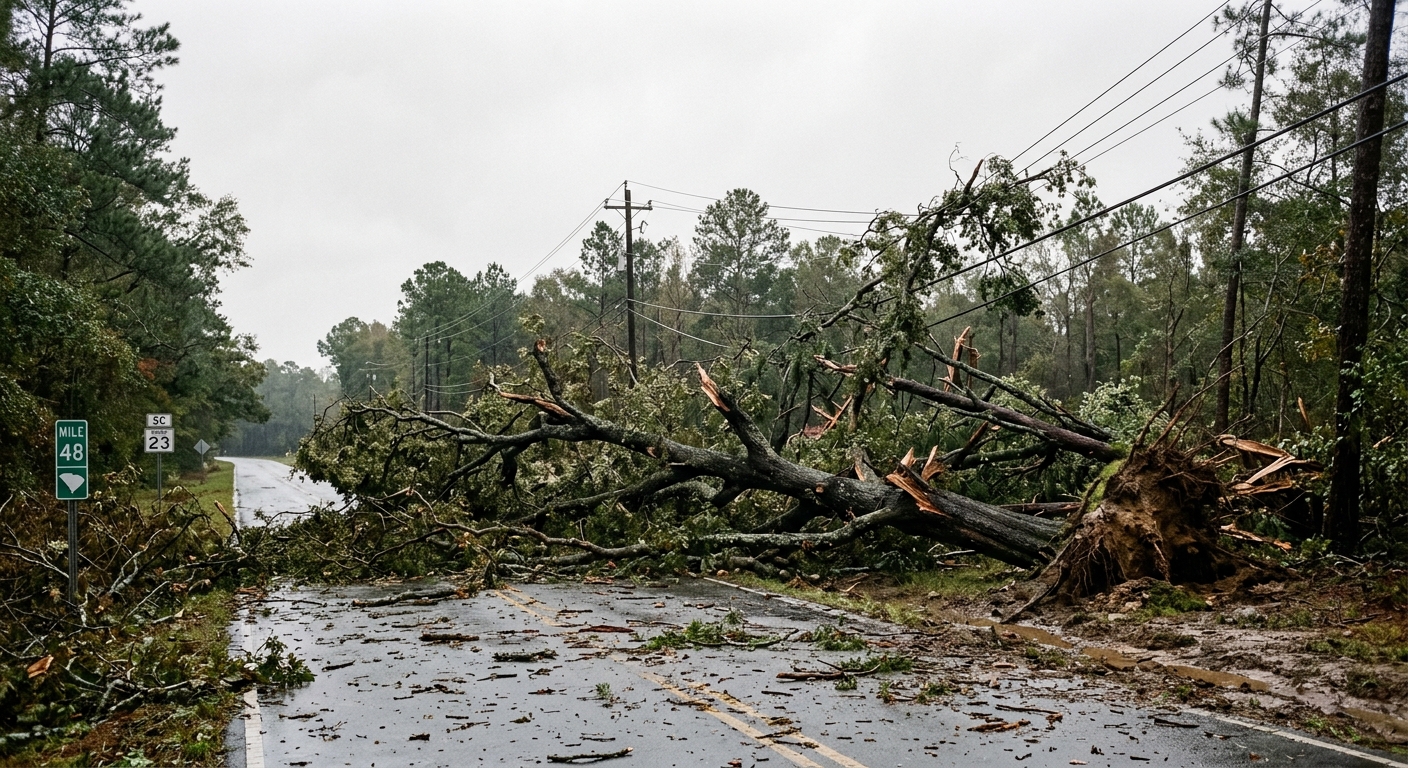
A swath of South Carolina's Upstate region is getting $36.4 million in federal disaster aid to clear debris from state roads after a storm system tore through five counties, snapping trees across highways and triggering a presidential disaster declaration.
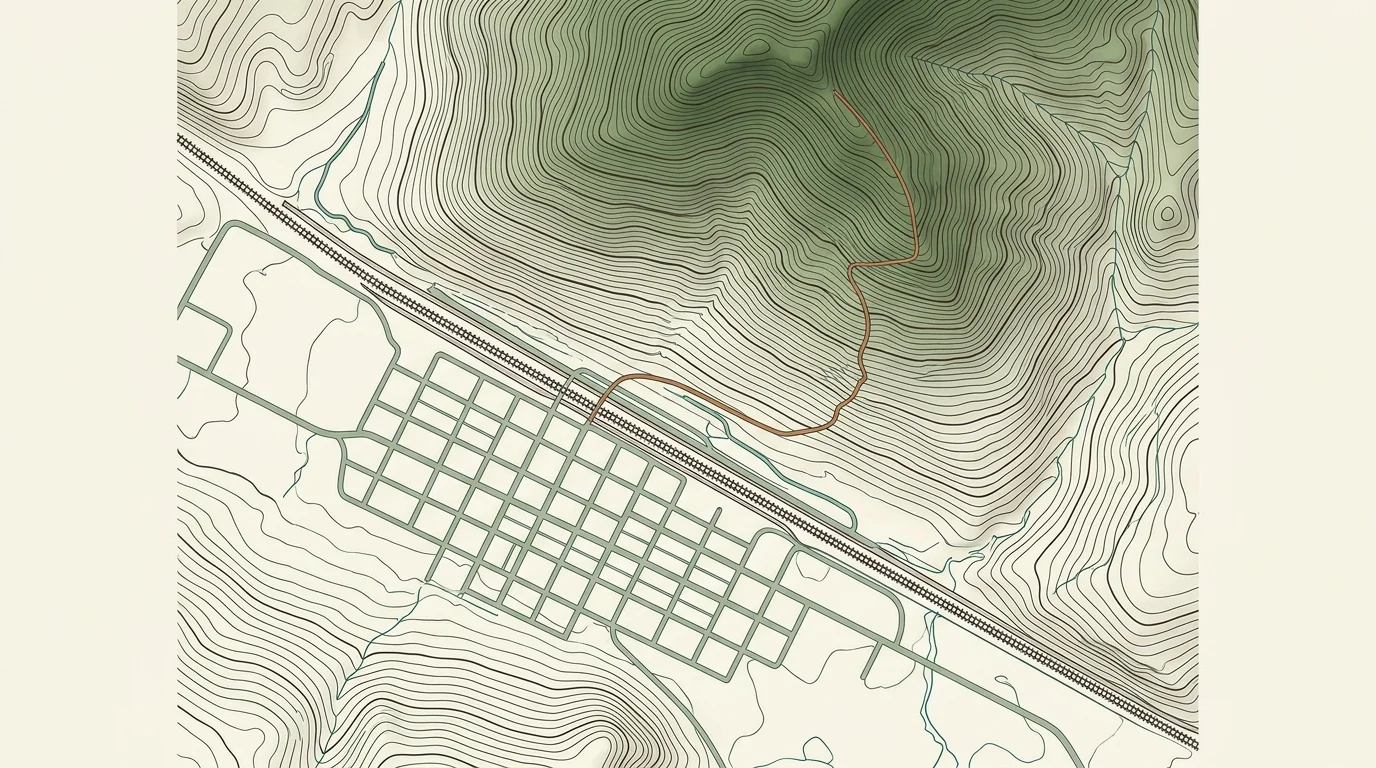
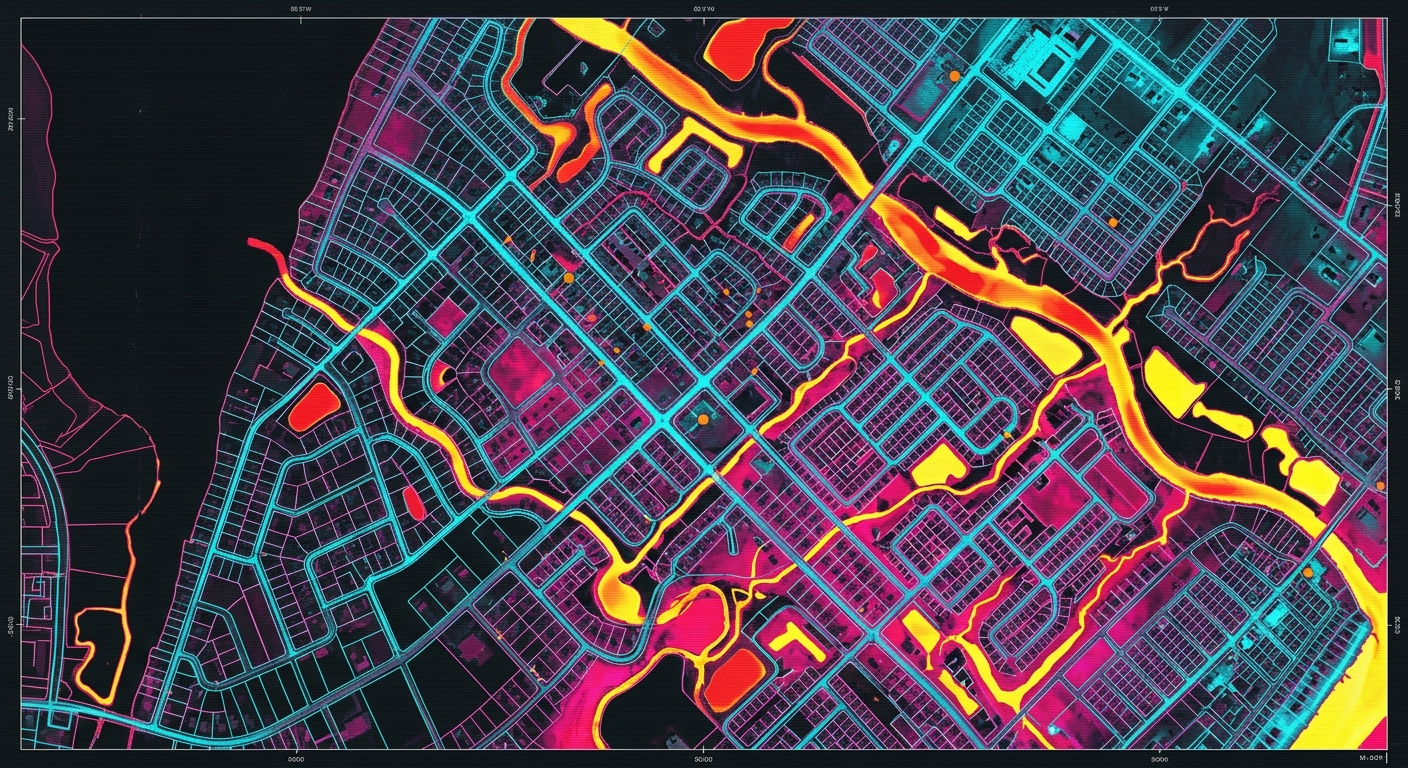
The federal grant, flowing through FEMA's Public Assistance Program, covers debris removal along South Carolina Department of Transportation rights-of-way in Cherokee, Spartanburg, Union, Newberry, and Laurens counties. The geographic cluster traces a corridor through the Upstate and upper Midlands, consistent with a high-wind event, tornado outbreak, or ice storm that cut across the region.
One detail stands out: the federal government is picking up 100% of the tab, at least for the initial emergency period. Normally, FEMA covers 75% of disaster recovery costs and requires states or localities to contribute the remaining 25%. A full federal cost share requires a specific presidential determination, typically reserved for disasters severe enough to overwhelm local capacity. For smaller counties in the affected area, that distinction is significant. Union County has roughly 27,000 residents and an economy still recovering from the collapse of the textile industry decades ago. Cherokee and Newberry counties face similar fiscal constraints. A 25% match on a $36 million bill would represent a serious strain on budgets like theirs.
Spartanburg County anchors the region economically, with a population of around 340,000 and a manufacturing base that includes BMW's major U.S. plant. But the heavy tree canopy along Upstate roadways, combined with increasingly intense storm systems, makes the entire corridor vulnerable to the kind of debris loads that require massive cleanup efforts.
South Carolina has become one of FEMA's more frequent customers in recent years. Earlier rounds of federal aid following Hurricane Helene funded efforts like bridge reconstruction and pump station repairs in other parts of the state. The specific storm behind this latest declaration, identified in federal records as DR-4829, would need to be confirmed against FEMA's disaster declarations database, as the grant record does not name the event explicitly.
The grant is administered through the South Carolina Adjutant General's office, which houses the state's Emergency Management Division. Debris removal work along SCDOT rights-of-way is already underway or being coordinated, with the federal funding retroactively covering costs incurred during the initial emergency response period.