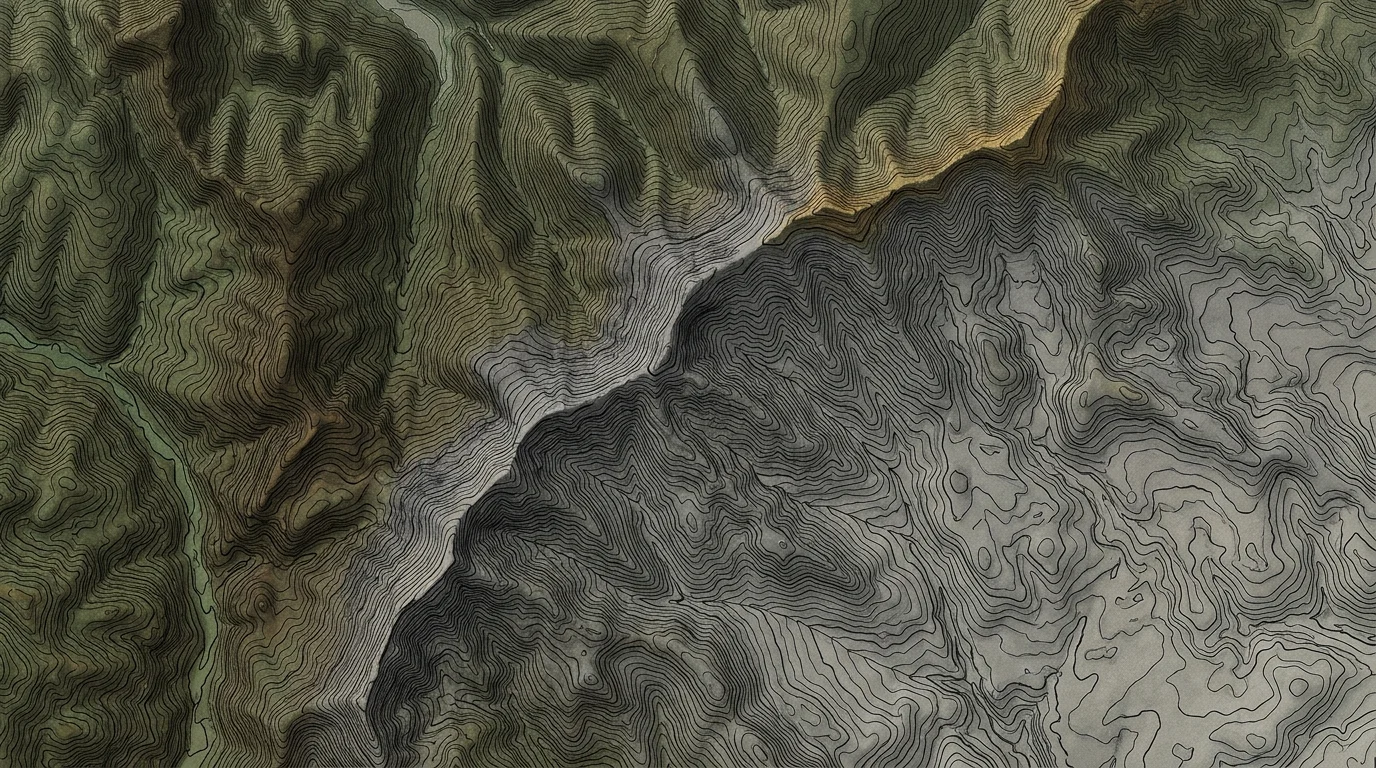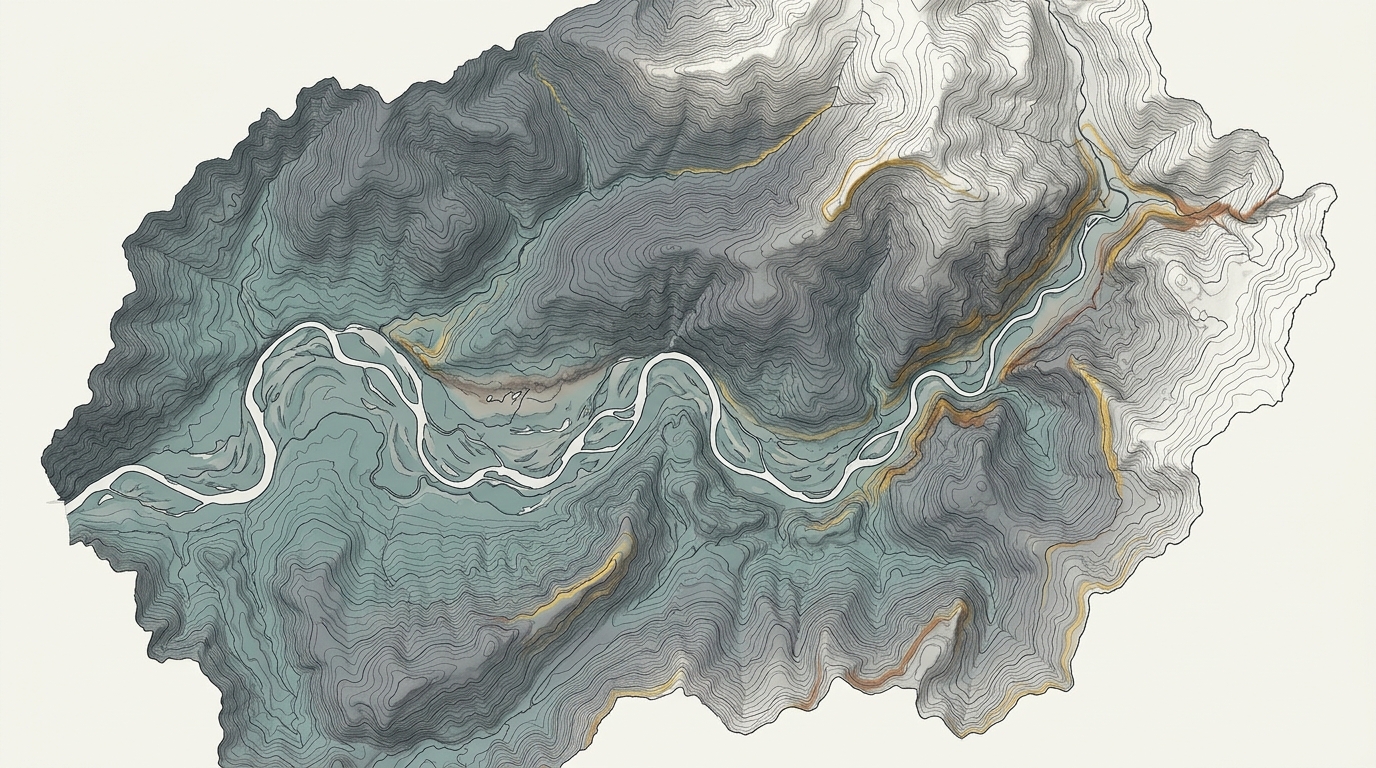
The Quinault Indian Nation is moving into the sixth phase of a years-long effort to rebuild salmon habitat in the upper Quinault River on Washington's Olympic Peninsula, a stretch of river that the tribe has been painstakingly reconstructing one reach at a time after decades of industrial logging stripped it of the conditions salmon need to survive.
The river is the center of Quinault life. The tribe holds treaty-reserved fishing rights under the Treaty of Olympia (1856), rights that were reinforced by the landmark Boldt Decision in 1974, which guaranteed tribal nations half of all harvestable salmon in Washington. But those rights are only meaningful if the fish are there. Clear-cutting on steep slopes throughout the 20th century sent sediment cascading into spawning beds, logging roads rewired the watershed's hydrology, and the removal of large woody debris from channels simplified rivers that salmon need complex and chaotic. The Quinault closed the river to non-tribal fishing entirely in 2012, citing collapsing runs, a decision that drew national attention and underscored just how serious the crisis had become.
Modern river restoration is a different discipline than it was 30 years ago. Rather than just planting trees along banks, crews now build engineered log jams, reconnect rivers to their floodplains, and place massive amounts of woody debris to mimic the natural processes that logging erased. It is heavy construction work: excavators, helicopters, careful engineering. And at the scale of the Quinault watershed, it requires doing it in phases, year after year.
Phase 6 continues that work. The solicitation for construction contractors was posted by the tribe with a bid opening set for April 2, 2026. Funding for projects like this typically draws from federal sources including NOAA's Pacific Coastal Salmon Recovery Fund, the Bureau of Indian Affairs, and Washington state's Salmon Recovery Funding Board. The 2021 Bipartisan Infrastructure Law directed roughly $1 billion toward fish passage and habitat restoration nationally, and tribal nations like the Quinault have been among the primary recipients.
Climate change is raising the stakes. Glaciers on Mount Anderson and other Olympic peaks are receding, altering the river flows that salmon evolved to depend on. Warming water temperatures stress cold-water species. The Quinault Nation, already undertaking a historic relocation of the coastal village of Taholah due to sea-level rise and flood risk, has been among the most prominent tribal voices on climate adaptation in the country. Restoring the river's natural complexity and floodplain connectivity is also a hedge against those changes, giving the ecosystem more resilience as conditions shift.
The nearby Elwha River, where the largest dam removal in U.S. history was completed in 2014, demonstrated what large-scale restoration can accomplish. Salmon returned to the upper Elwha within years of the dams coming out. The Quinault project operates on a different model, slower and more incremental, but pointed in the same direction.
With Phase 6 now going to bid, contractor selection and construction timing will become clearer in the weeks ahead.