South Carolina is receiving $1.25 million in federal disaster aid to repair pump stations knocked out of service by Hurricane Helene, the Category 4 storm that slammed the Southeast in late September 2024 and left a trail of flooding and infrastructure damage across the Carolinas.
The FEMA Public Assistance grant, routed through the state's Adjutant General office, covers what records describe as "jurisdiction-wide pump station damage," meaning multiple stations across a single locality were affected. The specific municipality or county receiving the funds has not been identified in publicly available records.
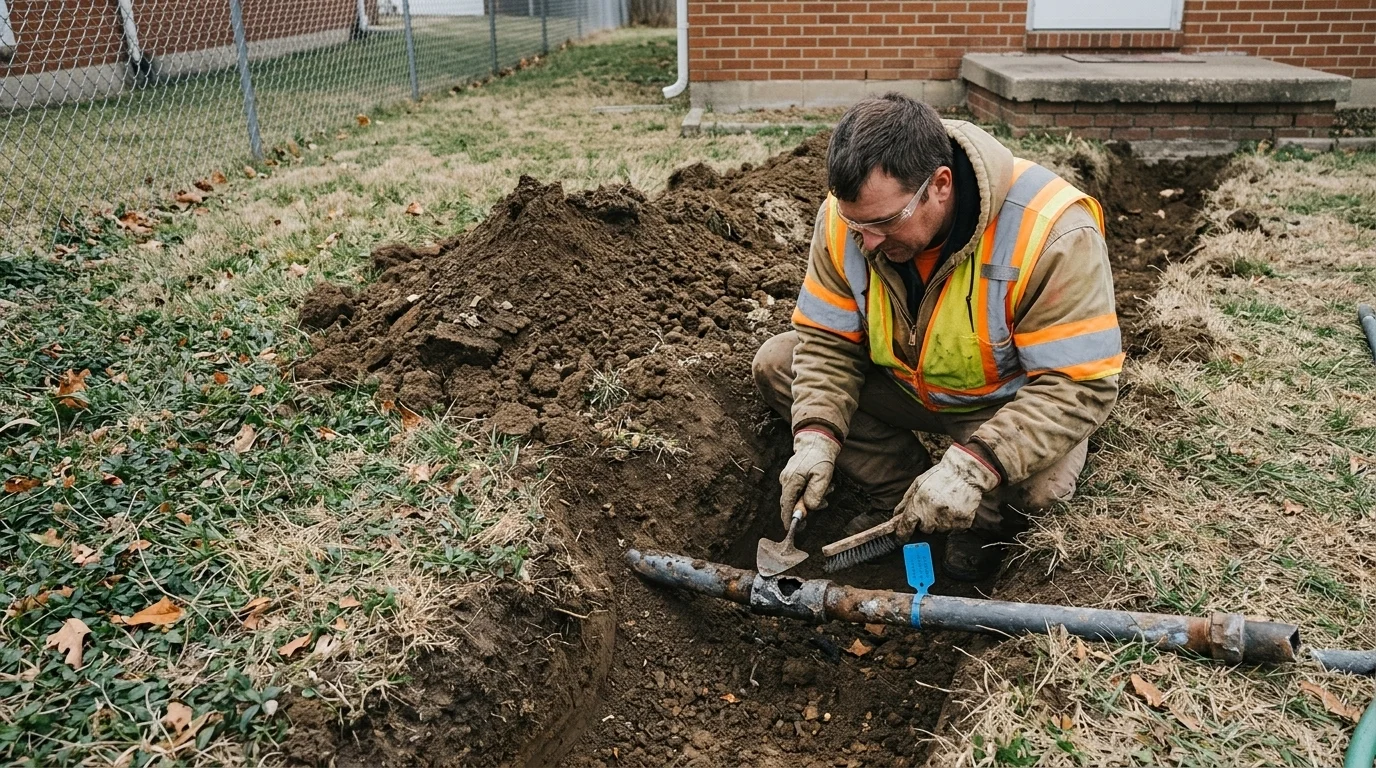
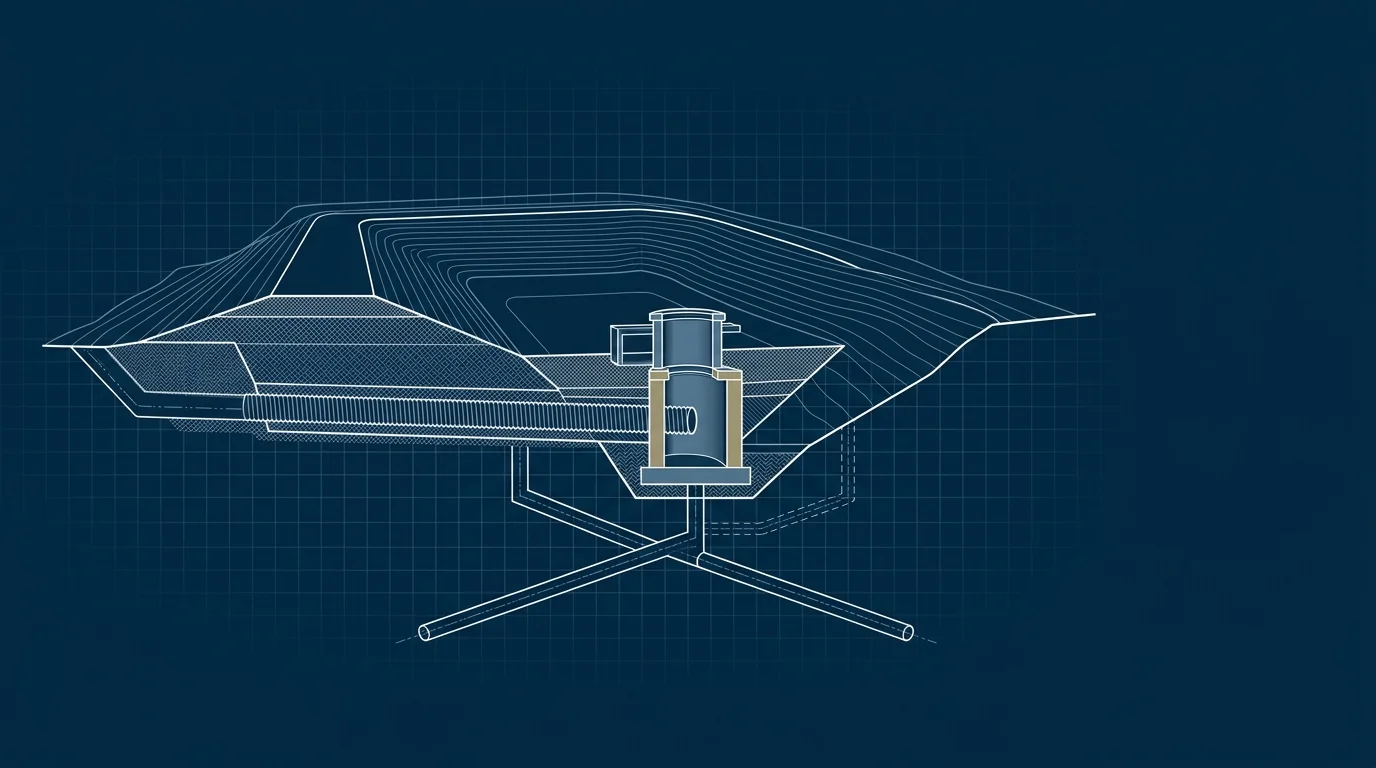
Pump stations are a linchpin of flood control and wastewater management, and they are acutely vulnerable during major storms. Floodwaters carrying debris can overwhelm or physically damage the pumps; power outages knock out the electrical systems that run them. When they fail, the consequences cascade quickly: localized flooding deepens, sewage backs up, and public health risks mount. The "jurisdiction-wide" scope of the damage points to how thoroughly Helene disrupted infrastructure across parts of the state.
Helene made landfall in Florida's Big Bend region on September 26, 2024, but it was the inland flooding across the Carolinas that proved catastrophic. Governor Henry McMaster secured a federal major disaster declaration for South Carolina on October 3, 2024, unlocking federal recovery funds for affected counties.
This grant is one piece of a much larger and longer-running challenge. South Carolina has been battered by a succession of federally declared disasters over the past decade, including the historic 2015 floods, Hurricane Matthew, Hurricane Florence, and Hurricane Dorian, each straining a water and stormwater infrastructure system that in many places was built decades ago and was never designed for the intensity of modern storms. The state has also added roughly 500,000 residents since 2015, increasing demand on those same aging systems.
Under the FEMA Public Assistance program, the federal government typically covers 75 percent of eligible repair costs, with the state and local government responsible for the remainder. That formula has funded countless repairs across South Carolina, but critics increasingly ask whether patching the same infrastructure after each storm is the right long-term approach, or whether larger upfront investments in resilience could reduce the cycle of damage and repair.
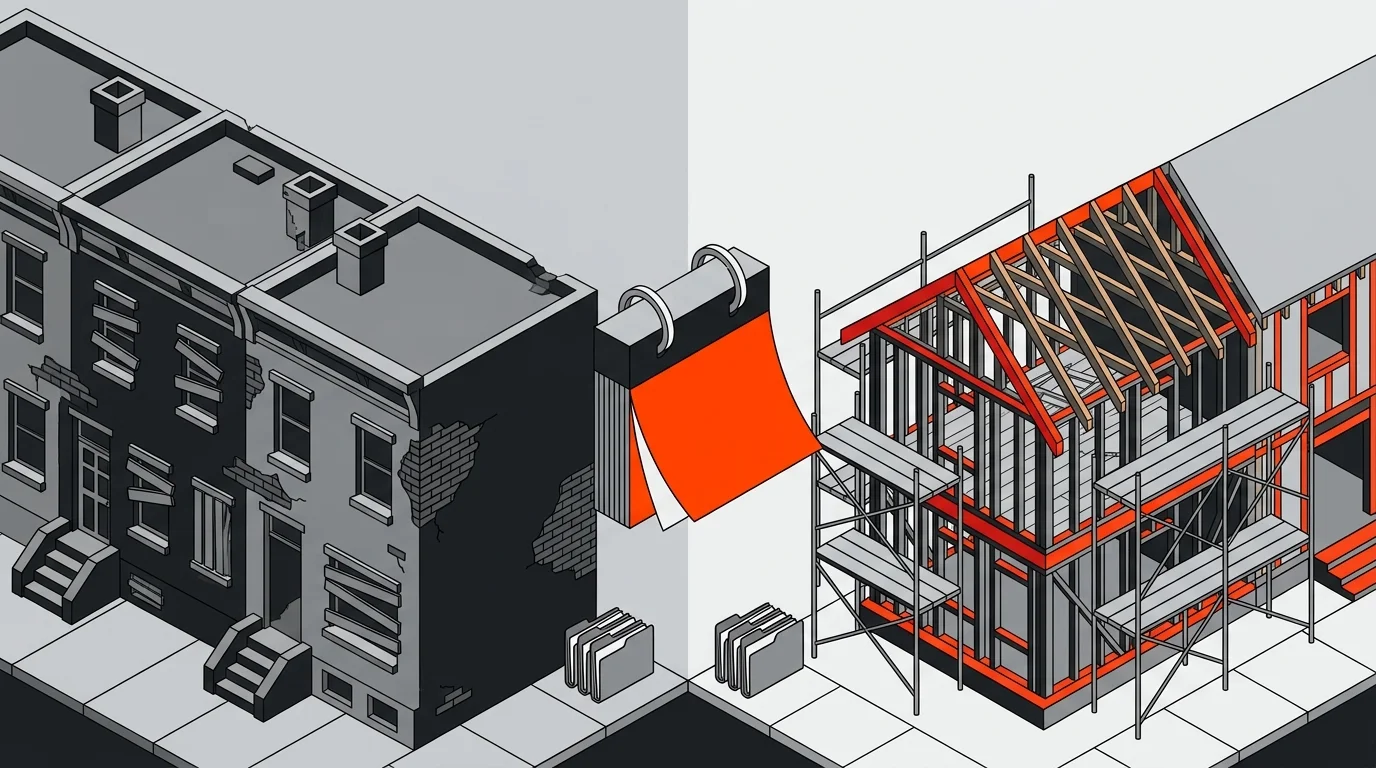
The grant was posted January 6, 2026, a typical timeline given that FEMA disaster aid often takes a year or more to move from declaration to final obligation. The specific locality set to receive the funds has not been publicly disclosed, and it remains unclear how many pump stations were damaged or when repairs are expected to be completed.