When a stroke patient arrives at a rural Indiana emergency room that can't treat them, the clock is already running. Right now, getting that patient to a hospital equipped for advanced care means a series of phone calls between facilities, uncertainty about which beds are open, and no central system to coordinate the ambulance. Indiana is moving to fix that.
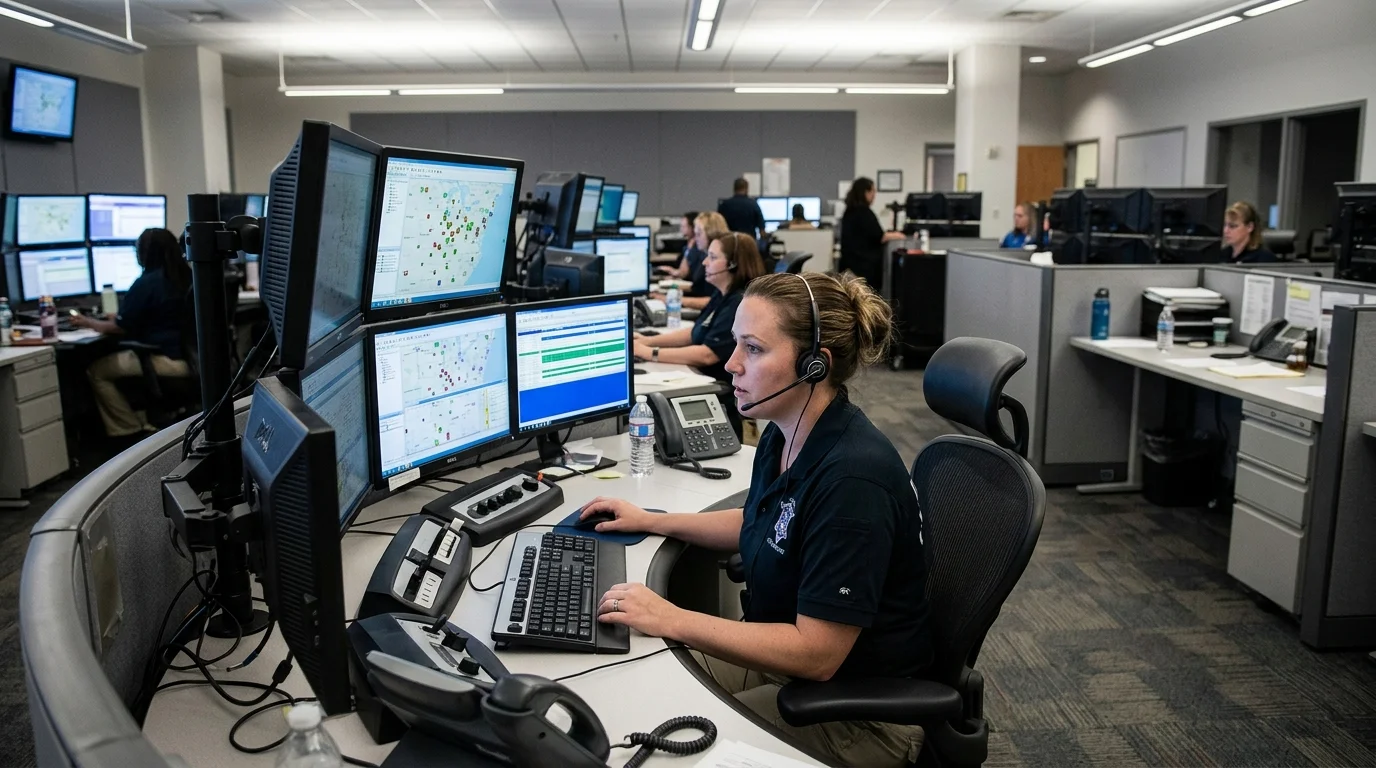
The Indiana Department of Health is building a statewide Medical Operations Coordinator Center, a round-the-clock hub that will manage patient transfers and align EMS resources across the state in real time. The effort is the first piece of Indiana's Rural Health Transformation Program, backed by a nearly $207 million federal grant awarded in December 2026. The program is structured to run for five years, putting the total investment potentially well above $1 billion.
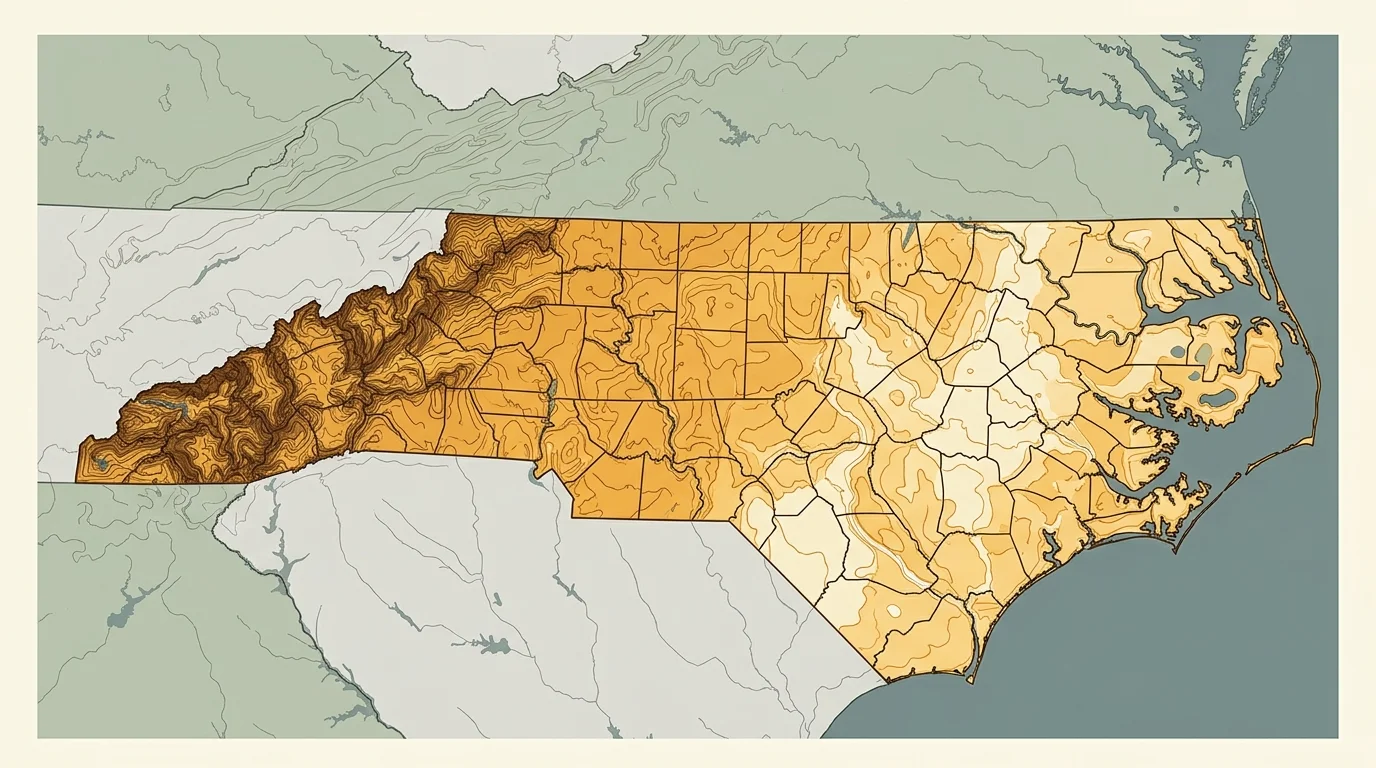
The coordination gap the new center targets is well documented. Seventy of Indiana's 92 counties are classified as rural or semi-rural, and roughly 1.5 million Hoosiers live in those areas. Many rural hospitals have cut or eliminated service lines for trauma, cardiac care, obstetrics, and psychiatric treatment over the past two decades, forcing patients to travel 60 to 100 miles or more to reach appropriate care. The transfers that make that possible currently rely on ad hoc phone calls, with no centralized system tracking bed availability, ambulance location, or patient acuity across the state.
The new center will handle coordination for the full range of time-sensitive emergencies: strokes, heart attacks, trauma, psychiatric crises, complicated pregnancies, and urgent care transfers. The inclusion of obstetric and psychiatric cases reflects two of Indiana's sharpest rural shortfalls. Maternity ward closures have left large parts of the state without local delivery services, and rural mental health access remains severely limited.
Indiana's EMS system adds another layer of complexity. Rural departments across the state rely heavily on volunteers and face serious staffing shortages, meaning the coordination center will need to account for variable resource availability when routing calls.
Some states have built condition-specific transfer centers for stroke or trauma. What Indiana is attempting, a comprehensive, all-condition, 24/7 statewide system, would be among the most ambitious implementations in the country, drawing comparisons to Maryland's centralized emergency medical services coordination model.
The Indiana Department of Health is now selecting an operator to build and run the center for the full five-year grant period. How quickly the system can move from procurement to live operations will determine when rural patients start seeing shorter transfer times and better outcomes.