A 16-county region of west-central Georgia that has long struggled with some of the state's deadliest roads is getting $600,000 in federal money to develop a comprehensive traffic safety plan, part of a national program designed to treat road deaths as preventable rather than inevitable.
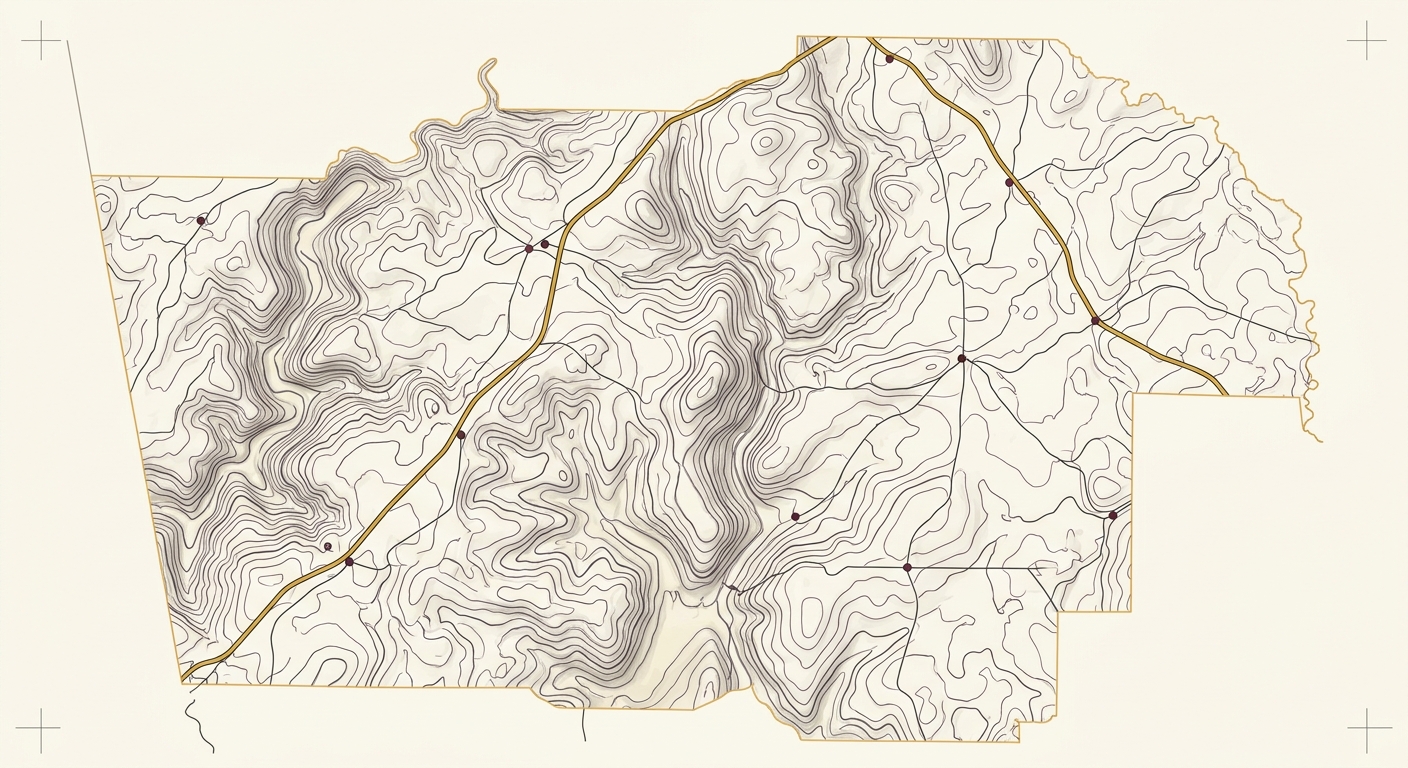
The U.S. Department of Transportation awarded the grant to the River Valley Regional Commission, which covers the Columbus metropolitan area and a stretch of rural counties along the Alabama border. The commission will use the funds to produce a Regional Safety Action Plan, cataloging hazards and laying out targeted fixes for all road users: pedestrians, cyclists, motorists, and commercial drivers alike.
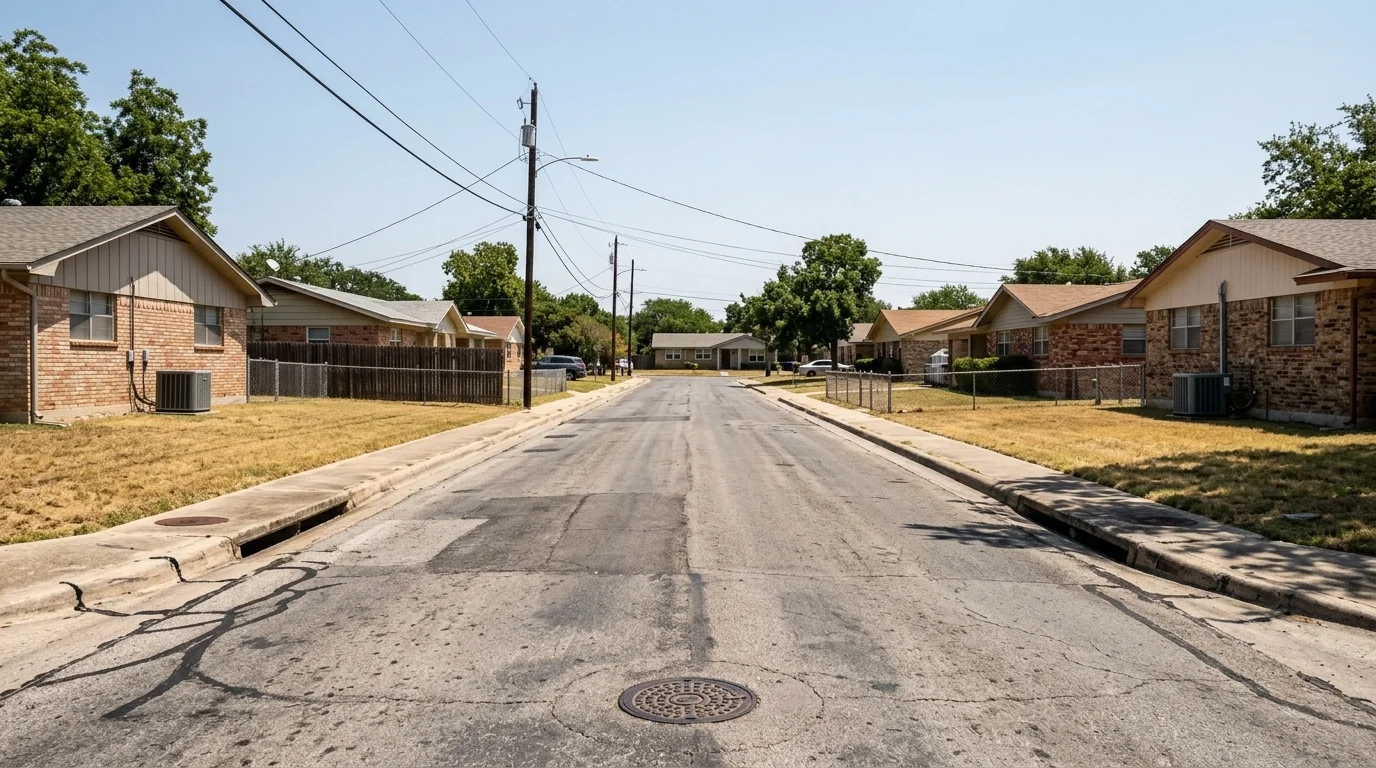
The stakes are real. Rural areas account for roughly 19 percent of the U.S. population but nearly 43 percent of traffic fatalities, driven by high speeds, narrow roads, and longer emergency response times. Georgia as a whole has ranked among the nation's deadliest states for traffic deaths, recording over 1,800 fatalities in 2022 alone. In the River Valley region, sparsely traveled two-lane highways like US-280 and US-27 connect communities with few sidewalks, no shoulders, and little public transit, leaving pedestrians and cyclists with few safe options.
The regional commission structure matters here. Small rural counties like Talbot, Taylor, and Webster lack the staff and federal grant expertise to pursue this kind of planning on their own. Pooling resources through the commission lets them access funding that would otherwise be out of reach.
The grant comes through the Safe Streets and Roads for All program, created by the 2021 Bipartisan Infrastructure Law and backed by $5 billion over five years. The program was designed as a two-step pipeline: communities first receive planning grants to diagnose their safety problems, then become eligible to compete for larger implementation grants to fund actual infrastructure changes. The $600,000 awarded to River Valley is the entry point, not the destination.
That pipeline faces some uncertainty. The SS4A program was a Biden administration priority, and with a new administration in Washington, future funding rounds have drawn scrutiny. Some grants from earlier cycles have faced delays. Whether River Valley can complete its plan and successfully compete for implementation dollars in the next round remains an open question as the program's future takes shape.