Mason County, Washington is moving to stitch its scattered homeless services into a single coordinated system, a step that urban counties in the state completed years ago but that this rural Olympic Peninsula community is only now undertaking.
The county has posted a request for proposals for what Washington's Department of Commerce calls a "Homeless Crisis Response System," an integrated model that connects outreach, emergency shelter, diversion and rapid rehousing into one pipeline rather than leaving each program to operate independently. The contract value and term have not been publicly detailed; the full RFP contains those specifics.
The stakes are higher than they might have been even two years ago. The U.S. Supreme Court's 2024 ruling in *Grants Pass v. Johnson* cleared the way for cities to enforce camping bans even when shelter beds are unavailable, but counties that crack down without a functioning services alternative face both legal exposure and public backlash. Shelton, the only incorporated city in Mason County and the county seat, passed camping restrictions in 2023 and 2024, making the question of what happens to displaced residents an urgent one.
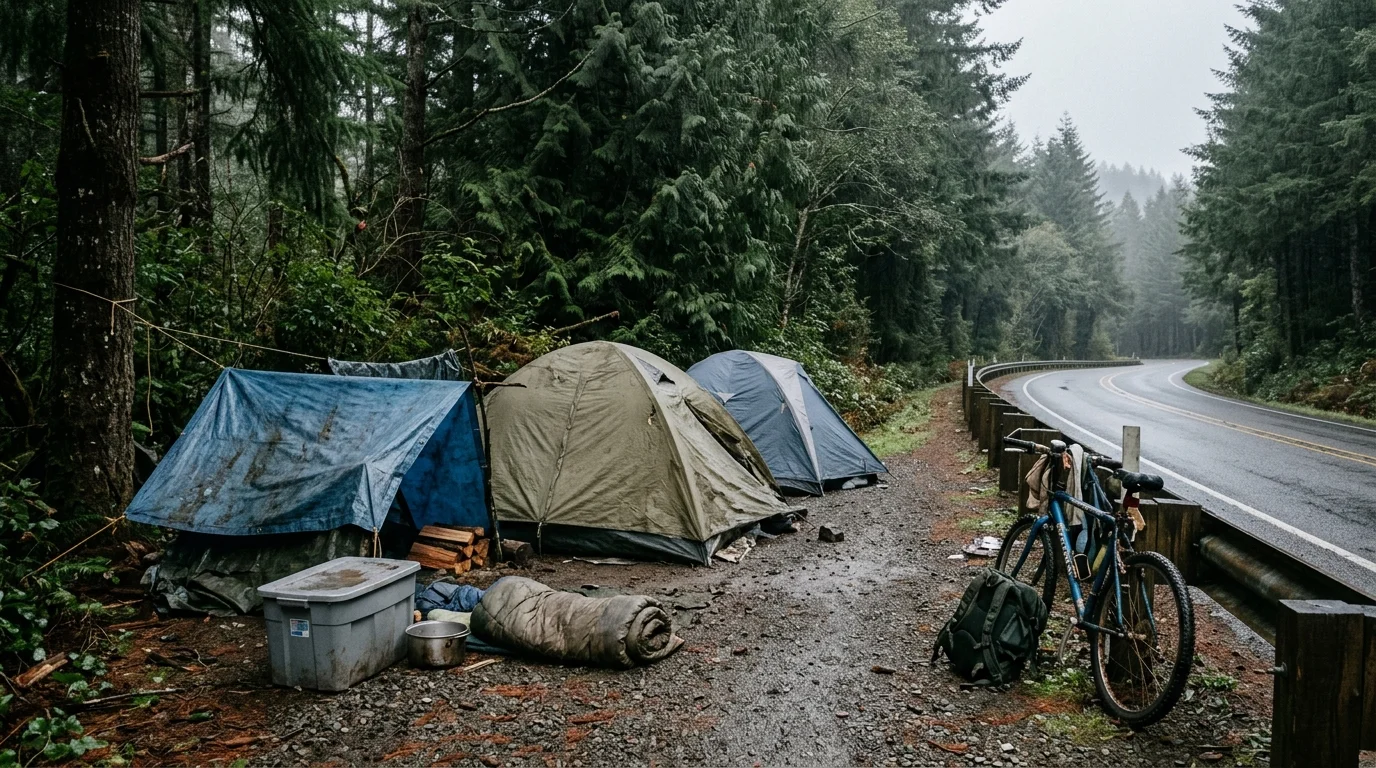
Mason County has roughly 68,000 residents and an economy built around timber and shellfish. It carries some of the highest rates of poverty and substance use disorder in Western Washington, and its unsheltered population has grown visibly along US-101 and near Oakland Bay in Shelton. But the county's nonprofit infrastructure is thin: Community Lifeline runs the primary emergency shelter, and Crossroads Housing operates transitional units. Any coordinated system depends heavily on those two organizations and a small number of other providers.
The coordinated entry model Mason County is now pursuing has been a federal requirement for communities receiving Continuum of Care funding since roughly 2014, under HUD's HEARTH Act. Washington's Department of Commerce has pushed counties toward this integrated approach since around 2019, and its reviews of rural counties' homelessness plans in 2023 and 2024 pressed lagging communities to strengthen their performance. A 2021 state law raised the document recording fee surcharge that funds county homelessness programs to $183, increasing the dollars available but also the accountability expectations.
The Board of Commissioners has faced pressure from both local business owners frustrated by visible encampments and advocates who argue the county has not fully spent down its available state homelessness funding. How the county structures the new contract, and which providers end up operating it, will determine whether Mason County finally builds the kind of system its residents have been waiting for.