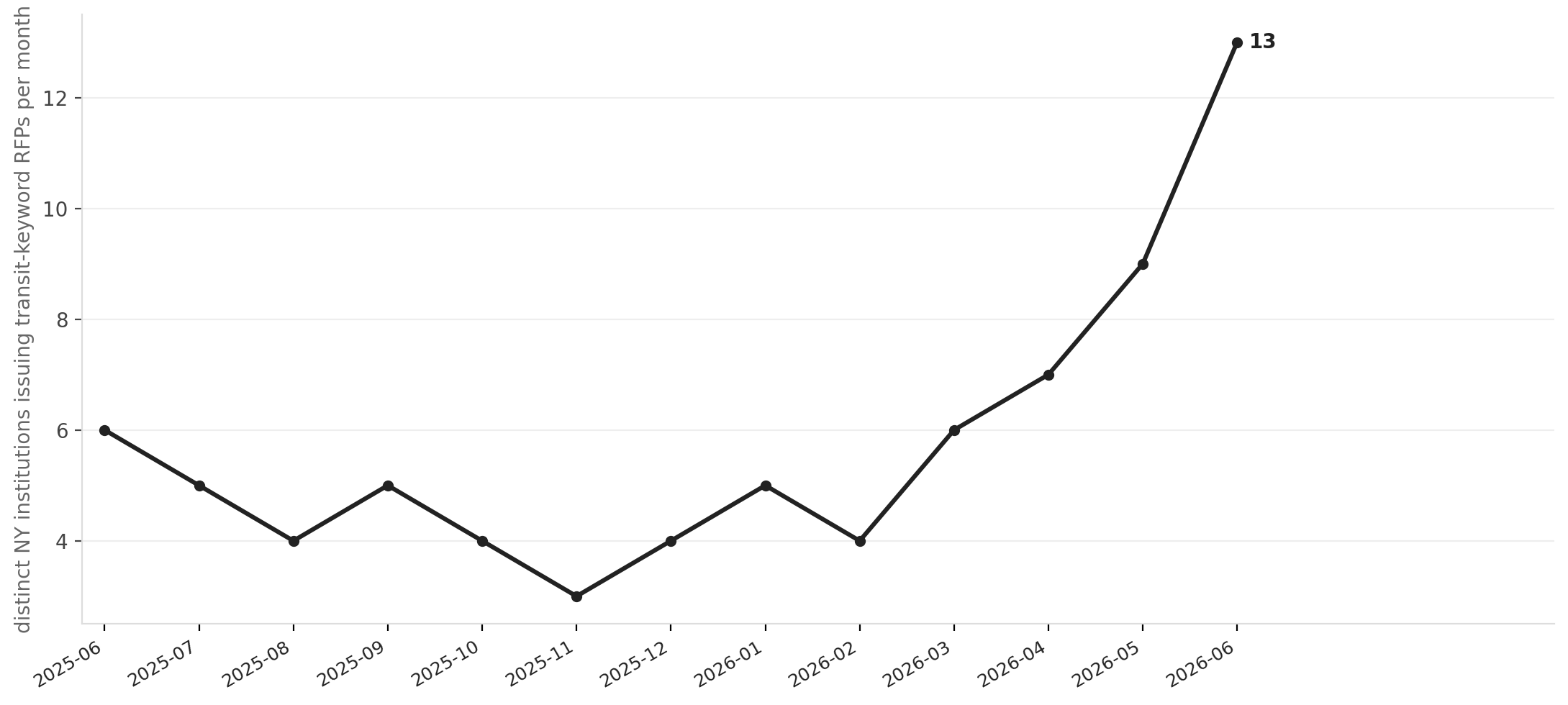
Thirteen New York institutions issued transit-related RFPs in the last 30 days, the highest single-month count in over a year and more than triple the five institutions that went to market in January 2026. The catalyst is specific: on March 31, 2026, the Federal Transit Administration posted its FY2026 apportionment tables, releasing $20.6 billion in federal transit funding, including $14.6 billion in formula grants, that had been held back during months of continuing resolutions. For dozens of smaller New York agencies, that release date is the starting gun.
The roughly 90-day lag between a federal apportionment posting and a local RFP hitting the street is structural. County transit offices have to confirm award letters, clear legal review, and align with local budget calendars before they can solicit operators or vendors. That clock started on March 31. It expired in June.
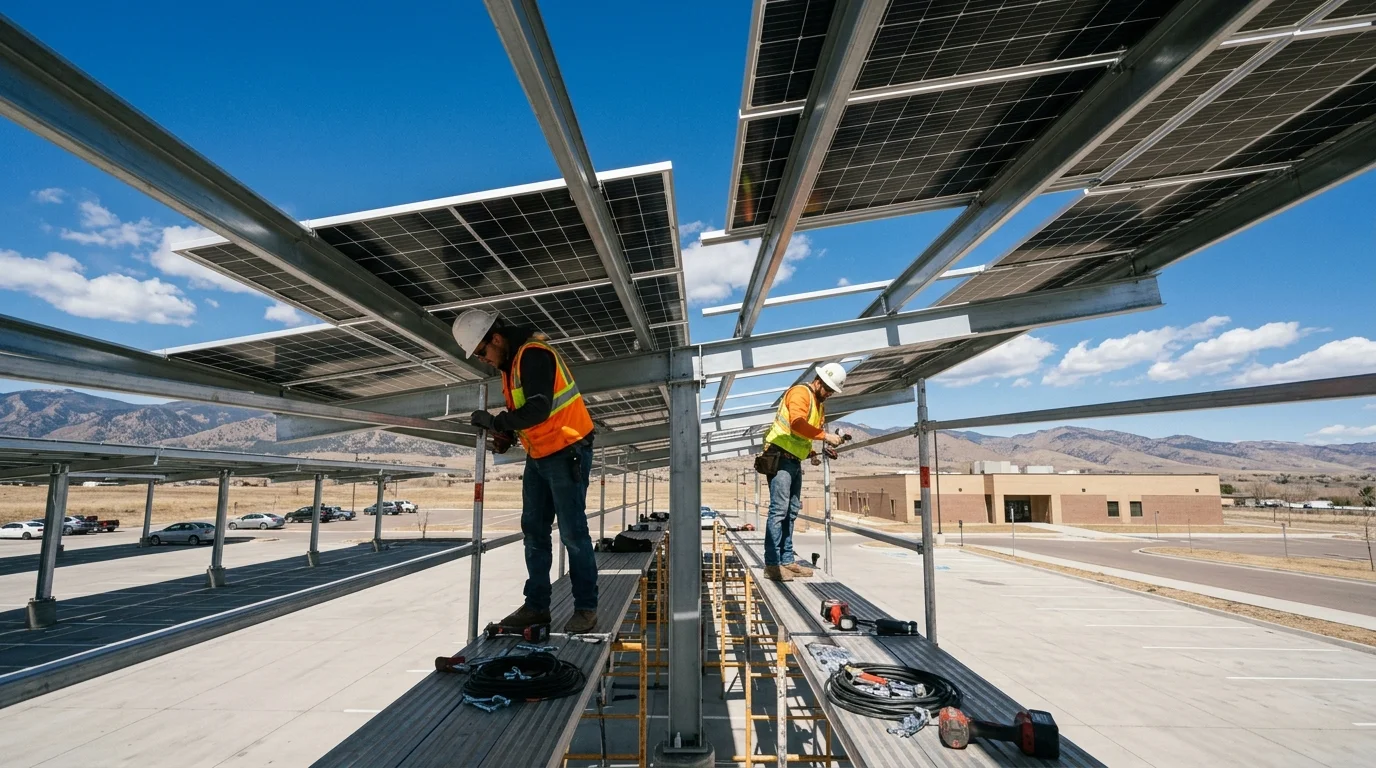
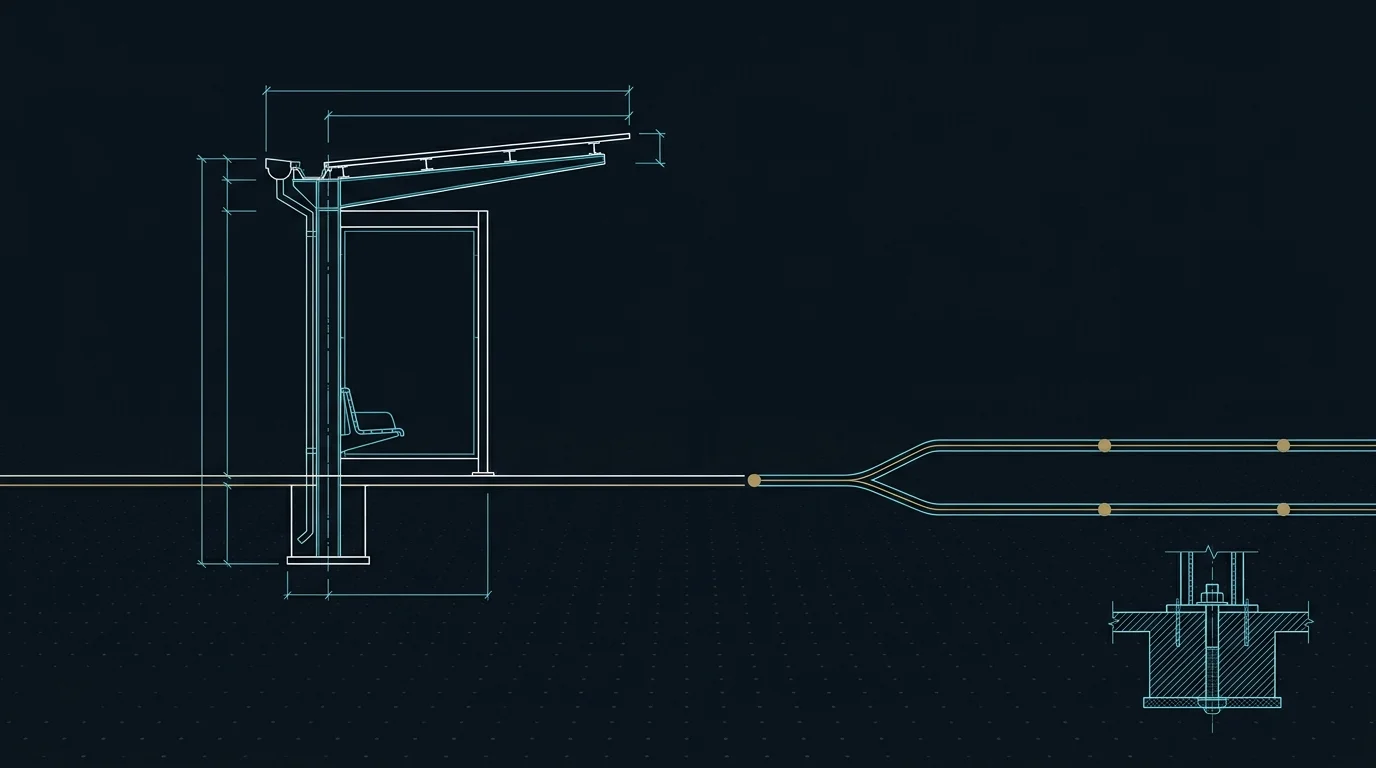
Nowhere is the effect more visible than in New York's Southern Tier. Chemung County and Steuben County, two adjacent rural counties linked by the CTRAN Route 20 Elmira-Corning corridor, both entered the transit procurement market for the first time in more than a year during the same week. Chemung and the City of Elmira issued a joint RFP to re-procure the operators running CTRAN, CEATS, and the Tri-System network, with proposals due July 9. Steuben County, sitting directly to the west along the same route, simultaneously put out an RFP for solar-powered transit shelters. The two procurements are separate but connected: CTRAN is currently operated under a private management contract by a FirstGroup subsidiary, and a recompete that spans both counties' networks could restructure how the Southern Tier's only real transit spine is managed for the next several years.
Source: NationGraph.
The Chemung-Steuben timing is not coincidental. Elmira-Chemung's Long Range Transportation Plan 2025-2045 was completed in October 2025, giving the county a fresh planning framework. Federal funding cycles generally require a current long-range plan before grant dollars can be obligated. The plan's completion last fall set the table; the March apportionment set the deadline.
New York's rural and small-urban agencies are disproportionately reliant on FTA Section 5311 Rural Area Formula grants, which means they are acutely sensitive to when Washington actually releases the money. NY DOT received a new $61 million Section 5311 grant effective September 2025, running through June 2031. Nassau County pulled in roughly $54 million across two formula grants last August. Suffolk County received $28.7 million in September 2025. Niagara Frontier Transportation Authority in Buffalo landed $22.9 million. Each of those awards creates downstream procurement obligations, and enough of them arrived close enough together that the effect is visible in aggregate: a single month producing 13 institutions in the market, compared to four in New Jersey and five in Connecticut over the same period.
The five confirmed first-timers after a 12-month absence span the state's geography: Chemung County and Elmira, Steuben County, Gates-Chili Central School District in Monroe County, the City of Fulton in Oswego County, and a New York City entity. That spread, from the Southern Tier to suburban Rochester to Westchester, reflects how broadly the formula funding landed rather than any single regional push.
New Rochelle offers a different window into the same pressure. The city's CircuitNR program, a 100-percent electric, fare-free on-demand shuttle running since 2019, is up for a full operator recompete, with a five-year contract and proposals due July 22. The city has spent approximately $1.3 million on the program over the past two years. A micro-transit recompete in a Westchester suburb and an operator recompete for a rural Southern Tier network are very different contracts, but they are both arriving in the same June window for the same reason.
The broader federal backdrop matters here. The Full-Year Consolidated Appropriations Act of 2026, signed February 3 as Public Law 119-75, provided $21.1 billion for public transit and ended the uncertainty that had kept agencies in a holding pattern through late 2025 and early 2026. The March 31 apportionment posting was the operational moment that mattered most for procurement directors. New York's active federal transit grant portfolio at the DOT level alone currently runs at least $3.7 billion in obligated funds, with unspent backlog providing runway through 2031, meaning the pipeline feeding this June burst has significant remaining pressure behind it.
The immediate signal to watch is the Chemung-Elmira joint RFP deadline of July 9. If a new operator or management structure is selected there, it will be the first significant restructuring of that Southern Tier corridor in years. New Rochelle's CircuitNR decision, due July 22, will show whether Westchester's electric micro-transit experiment gets renewed or redesigned. Together, the two deadlines will offer the clearest early read on what agencies actually do with the funding that just cleared the pipeline.