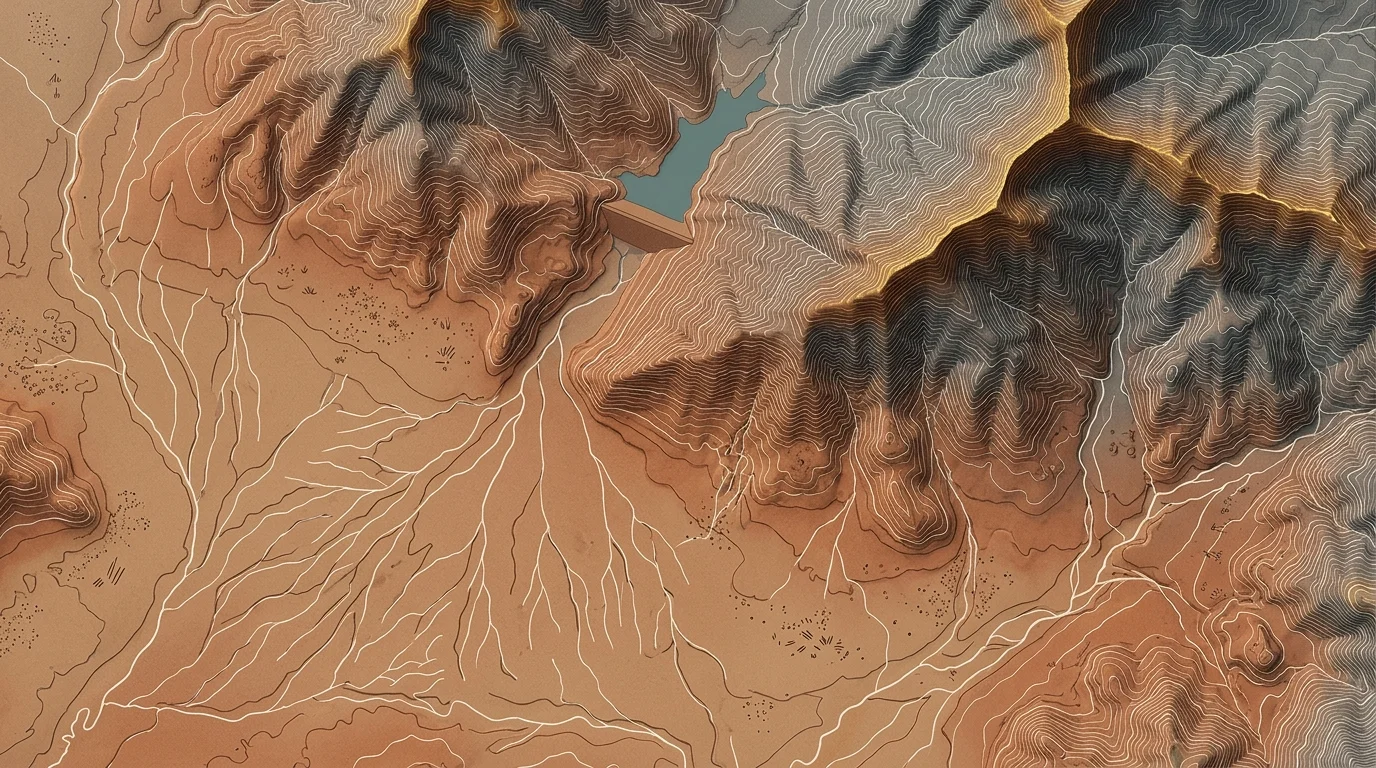
Albuquerque, New Mexico is pushing ahead with a new water reuse facility on the city's east side, part of a decades-long effort to squeeze more value out of every gallon in one of the driest cities in the country.
The Albuquerque Bernalillo County Water Utility Authority, which serves roughly 680,000 residents across Albuquerque and unincorporated Bernalillo County, is moving to hire contractors to build the Tijeras Reuse Reservoir and Pump Station near the Sandia Mountain foothills. The facility will store treated wastewater and pump it to nearby users for irrigation and other non-potable purposes, keeping that water out of overtaxed drinking water supplies. The solicitation is listed on the New Mexico bid portal. No cost estimate has been made public.
The stakes are real. Albuquerque sits at 5,000 feet in high desert, averaging just nine inches of rain a year. The Colorado River Basin, which supplies a major share of the city's drinking water through a federal diversion project, has been in a 24-year megadrought. Lake Powell and Lake Mead hit historic lows in 2022 and 2023. The Rio Grande itself has run dry through stretches of central New Mexico in recent drought years.
For most of the 20th century, Albuquerque pumped groundwater far faster than it was replenished, drawing down the regional aquifer based on flawed assumptions about how the river recharged it. The city shifted course in 2008 when a surface water treatment plant came online, dramatically cutting groundwater withdrawals. Aquifer levels have partially recovered, but planners know the long-term outlook depends on finding additional supply sources.
That's where reuse comes in. The utility's Water 2120 plan, a 100-year resource strategy, makes reclaimed water a centerpiece of Albuquerque's future. The city already operates a network of "purple pipe" infrastructure that delivers treated effluent for park irrigation, highway medians, and other non-drinking uses. The Tijeras project extends that network to the east side, where residential and commercial growth has increased demand for landscape irrigation water.
This first construction package covers the foundational work. Additional phases are expected to follow with mechanical, electrical, and piping systems.
With the project now out for bids, the timeline for groundbreaking will become clearer once a contractor is selected.