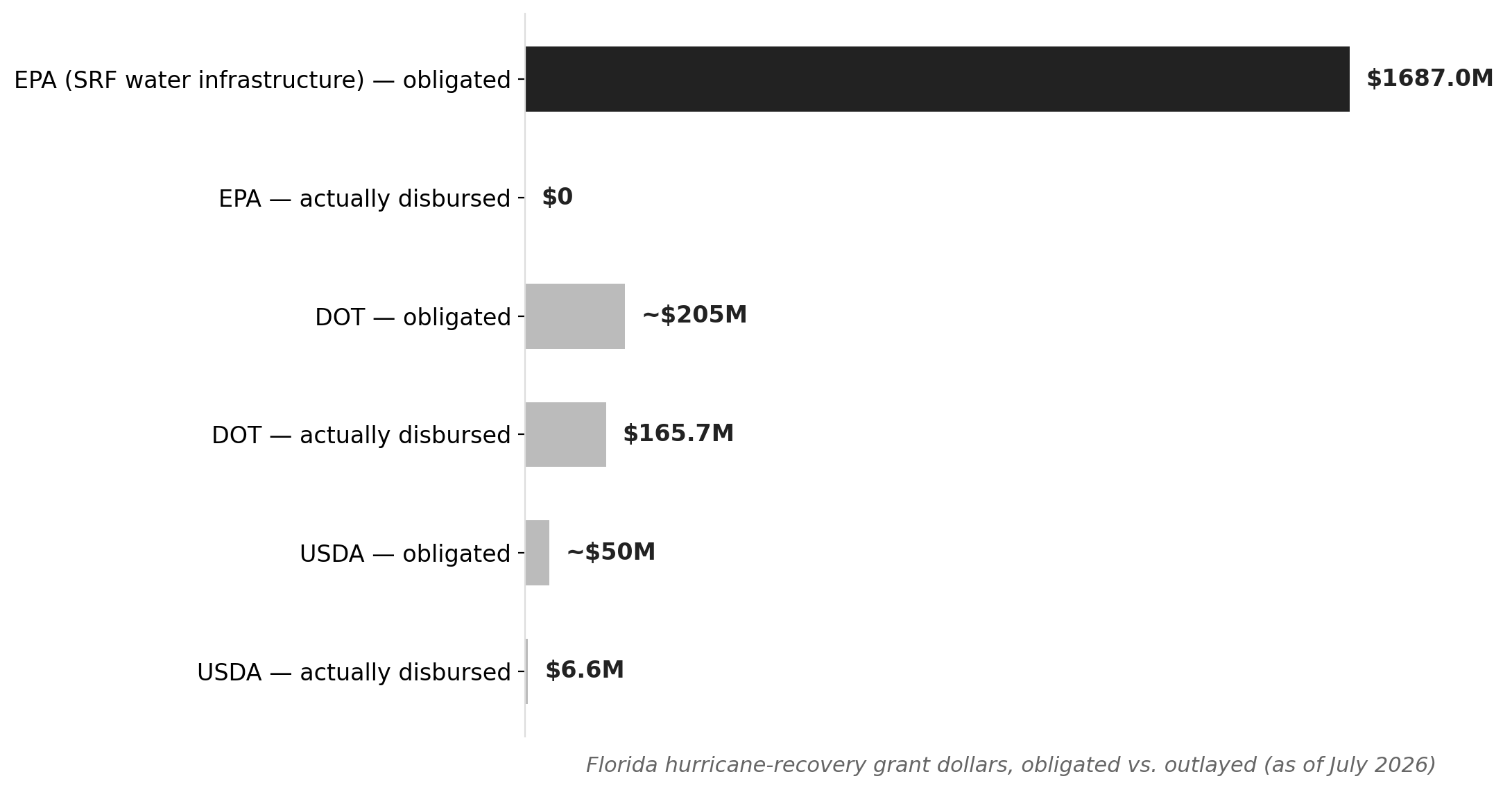
Florida's hurricane-recovery grant intake dropped 98 percent in the past 90 days compared to the same window a year ago, from $1.733 billion to $30.2 million. That number looks like a collapse. It isn't. The money was already awarded. The problem is that nearly two years after Hurricanes Helene and Milton struck the state within 13 days of each other, $1.687 billion in EPA water-infrastructure grants sit in a state account with $0 disbursed to a single local project.
The clock to fix that is now running hard. Under the American Relief Act (P.L. 118-158, signed December 21, 2024), Florida must receive all SRF capitalization grant awards by September 30, 2026, the end of federal fiscal year 2026. That deadline is 83 days away.
The prior-year spike that makes this year's numbers look catastrophic was itself a bookkeeping event. In July 2025, EPA awarded Florida DEP $844.7 million for Drinking Water State Revolving Fund infrastructure and $806.4 million for Clean Water SRF infrastructure, both tied directly to Helene and Milton damage. Those two grants account for virtually all of the $1.733 billion recorded in last year's 90-day window. They were structured as capitalization grants, meaning the money flows to Florida DEP, which then lends it to local governments for qualifying water projects. No loan, no disbursement. As of the most recent federal records, outlayed amounts on both grants show zero.
Source: NationGraph.
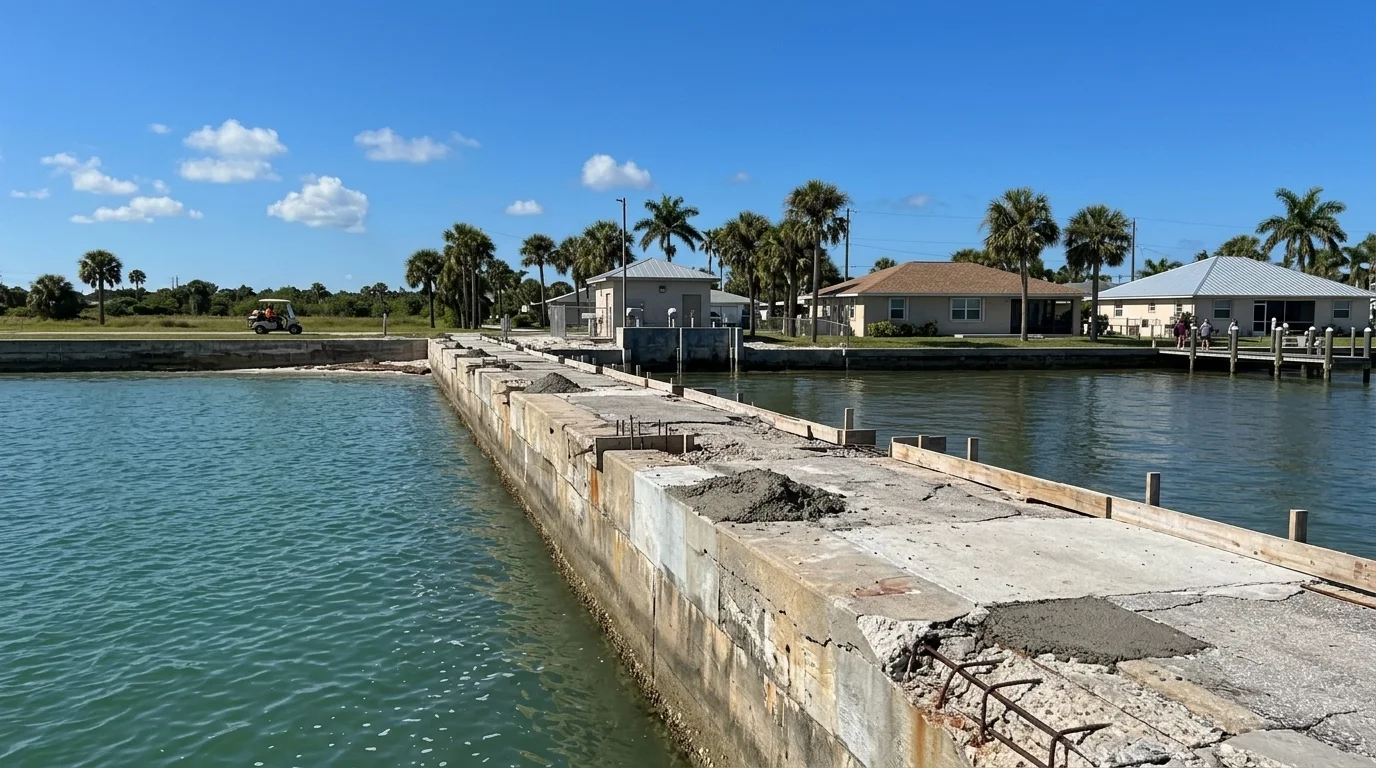
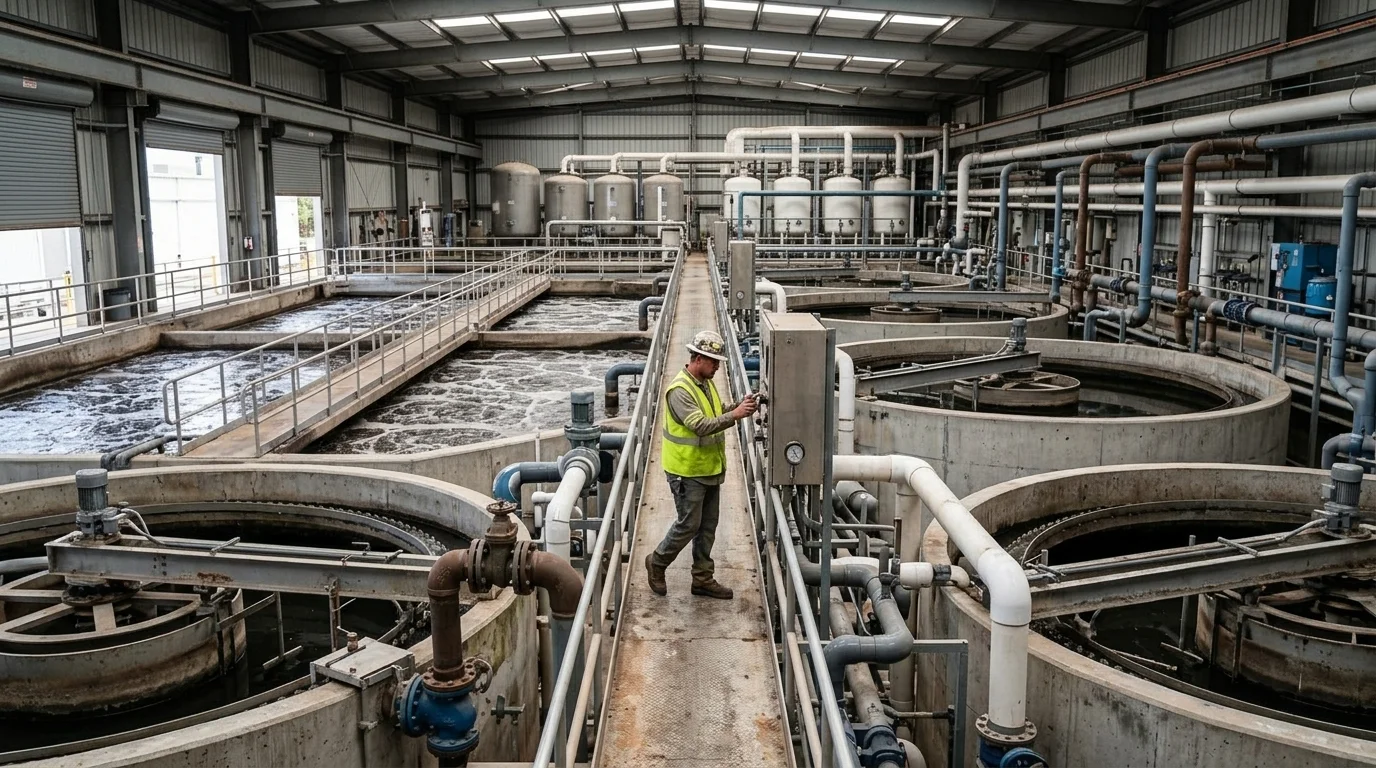
The first crack in that logjam came just days ago. According to an EPA press release, EPA signed its first local loan agreement under the program on July 1, 2026, with the City of Mulberry, for flood-barrier construction at a Milton-damaged wastewater treatment plant. That is the first dollar of the $1.687 billion to move toward an actual project, arriving roughly 21 months after the storms made landfall.
The rest of Florida's active hurricane recovery portfolio tells a similar story of obligation without execution. Across all federal agencies, the state has roughly $2.06 billion obligated for hurricane recovery. The Department of Transportation has disbursed $165.7 million of its share. The Agriculture Department has pushed out $6.6 million. EPA has disbursed nothing of its $1.687 billion. The agencies that move money through direct project grants are spending; the agency that moves money through a state-administered lending program is not.
The one genuinely new grant in the trailing 90-day window underscores how differently the direct-grant pipeline operates. Pinellas County received a $29.4 million USDA Emergency Watershed Protection grant on June 22, 2026, for streambank stabilization along five waterways: Joe's Creek, Curlew Creek, Jerry Branch, Bee Branch, and Channel R, all damaged by Milton. The county's Public Works Director Kelly Hammer Levy told commissioners the county had applied for the grant in November 2024 and waited 20 months to see it arrive. The money is now approved for an identifiable set of eroding creek banks in a named county. That is a different instrument than a capitalization grant to a state agency, and it moves differently.
The American Relief Act made Florida the largest single-state beneficiary in the law's SRF disaster history, a recognition of the compounding damage from two back-to-back major hurricanes. EPA's implementation memorandum for the program requires that funds be expended in a timely and expeditious manner. What timely means in practice is now being tested: the Mulberry loan agreement is the proof-of-concept that the SRF machinery can actually turn capitalization dollars into construction contracts. Florida DEP's draft Intended Use Plan for the Clean Water SRF supplemental appropriation, published in November 2025, lists a project pipeline, but pipeline and disbursement are not the same thing.
For Floridians living near the waterways that Helene and Milton scoured, the next 83 days are the signal to watch. If Florida DEP closes additional loan agreements before September 30, 2026, the SRF grants will be formally received within the federal window and the disbursement clock shifts to the grants' 2030 expiration. If the pace of the past 21 months holds, the state will be racing a statutory deadline with billions still uncommitted to specific projects.
The 98 percent drop in new grant flow is a distortion. The real number is $1.687 billion obligated, $0 spent, and 83 days left to prove the pipeline works.