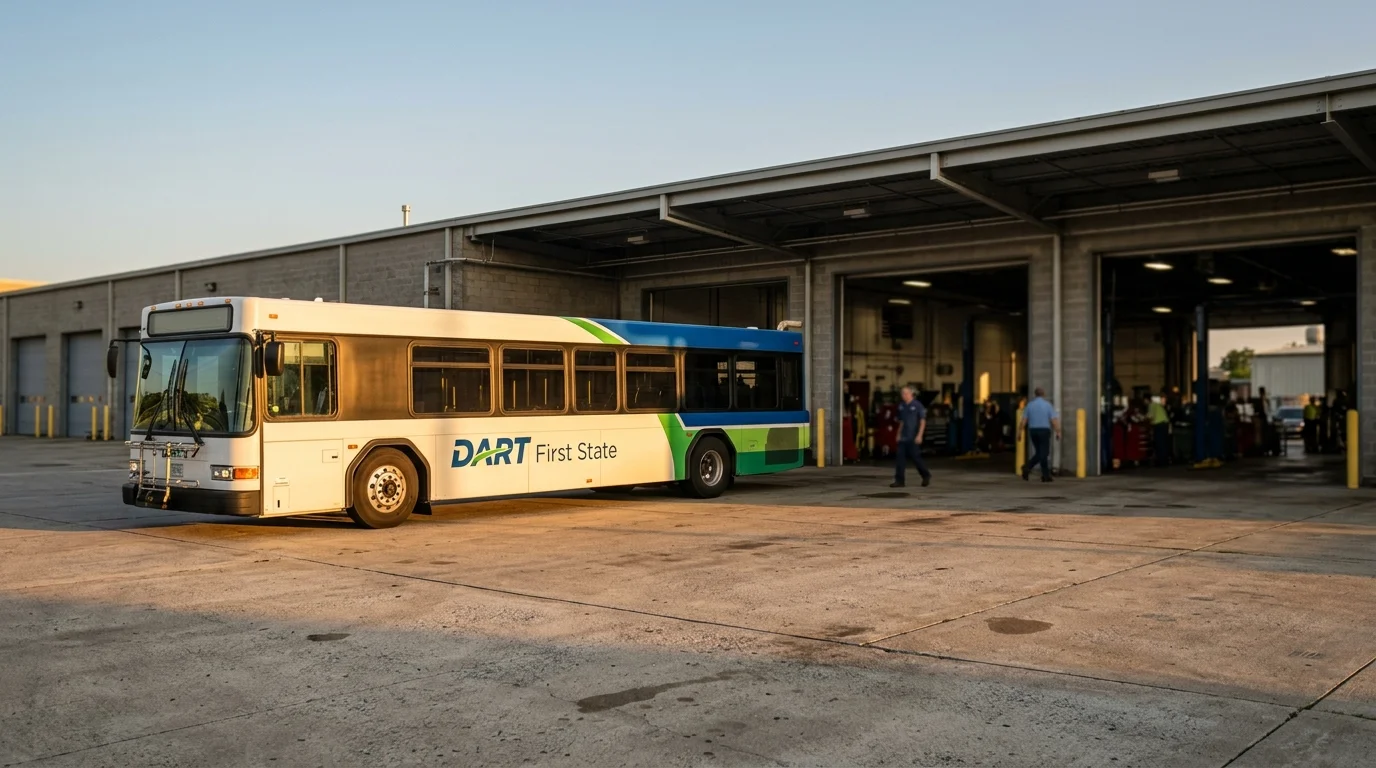
Federal transit grants to Delaware hit $33.7 million in the 90 days ending mid-June 2026, a 2,303% increase over the same window a year earlier, when the state received just $1.4 million. For a state with a single transit operator and no municipal transit fragmentation, that is not a rounding error. It is the most concentrated burst of federally funded transit investment in Delaware's history, and nearly all of it is already converting into physical infrastructure.
The triggering events were two FTA national award cycles that closed in late 2025 and early 2026. The FTA announced $2.03 billion in FY2025 Bus and Bus Facilities and Low-or-No Emission grants for 165 projects across 45 states in November 2025, followed by a second $390 million Bus Facilities round in February 2026. Delaware's Delaware Transit Corporation, which operates DART First State as a subsidiary of DelDOT, had been a persistent applicant to these competitive rounds since at least 2021. When the obligations were finally signed in May and June 2026, they landed all at once.
Three grants form the core of the surge. The largest, a $14.75 million formula grant signed June 2, funds Job Access Reverse Commute operations and preventive maintenance in New Castle County. A $9.8 million award signed May 11 pays for four new 40-foot buses, construction of a battery-electric bus maintenance bay in Dover, and solar canopy panels at a DART facility. A third grant of $8.74 million, signed May 6 under the Low-or-No Emission program, funds end-of-life bus replacement in both New Castle and Sussex Counties. Alongside these three, a previously reported $14.3 million Bus and Bus Facilities award will rehabilitate 51 buses, roughly 23% of DART's entire fixed-route fleet, extending operational life by six years for 40-foot buses and five years for 45-foot coaches.
Source: NationGraph.
The scale of the jump is partly a function of Delaware's unusual structure. Every federal transit dollar in the state flows to one agency, with no competing municipal systems, no county transit authorities, and no separate commuter rail operator to split the ledger. When DART wins a competitive round, the state's transit numbers move by the full award amount. A four-bus purchase and a single maintenance bay are small line items in a city the size of Philadelphia; in Delaware, they represent a measurable fraction of the statewide fleet and the only heavy-maintenance facility of its kind in the state.
The awards also reflect a cumulative strategy that DTC CEO John Sisson and DelDOT have been building toward for years. Delaware's Climate Action Plan sets a goal of a 100% zero-emission fixed-route bus fleet, and the grant applications have been structured to move that target from policy language toward capital commitments. The Dover battery-electric maintenance bay is the clearest example: you cannot operate an electric bus fleet without the infrastructure to service it, and that bay did not exist before this grant cycle funded its construction.
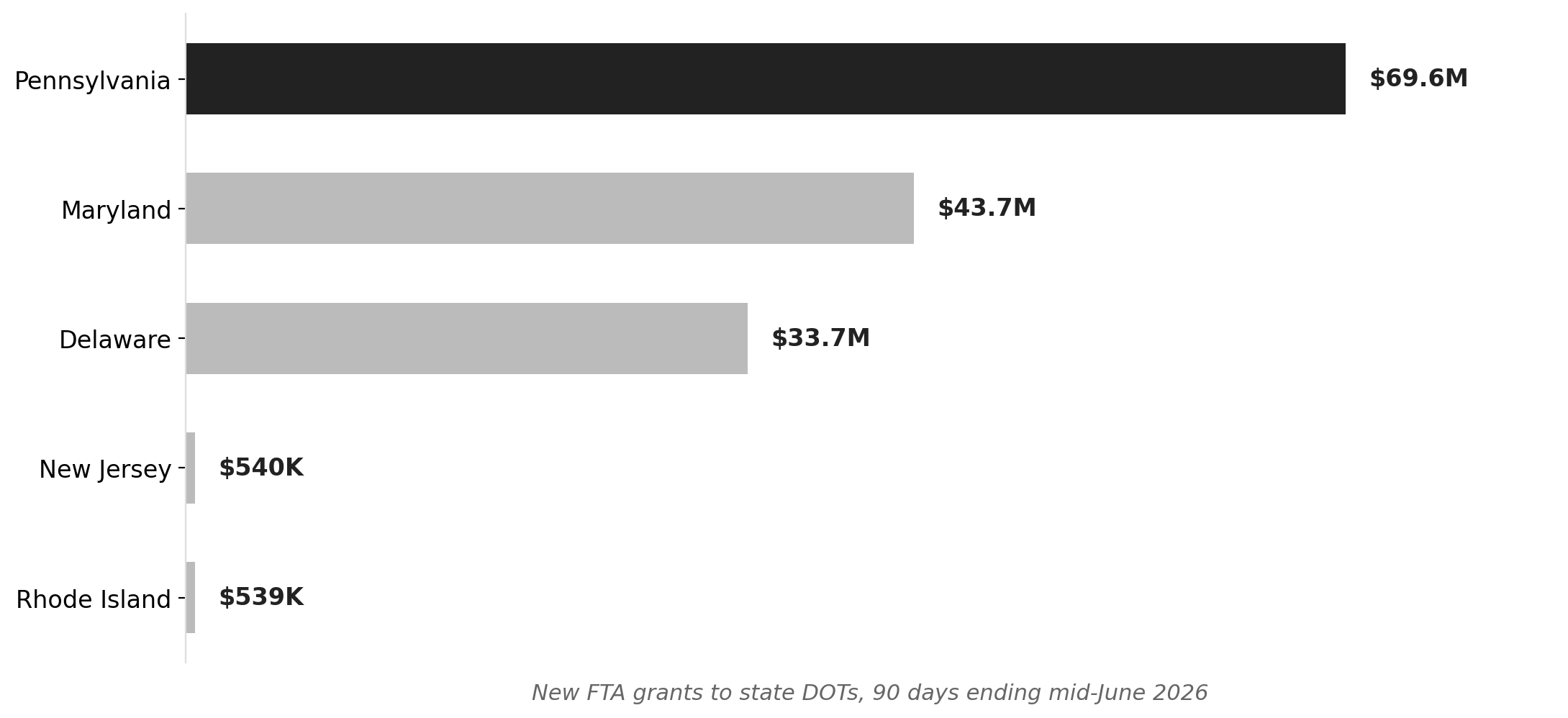
In the regional context, the numbers are striking even accounting for Delaware's small size. Among comparable small Northeast states in the same 90-day window, Delaware's $33.7 million trails only Maryland ($43.7 million) and Pennsylvania ($69.6 million), both substantially larger states with multiple transit agencies. New Jersey, a far larger and more transit-dense state, received $540,000 in the same window. Rhode Island received $539,000. Delaware's per-capita federal transit intake in this period is not in the same conversation as its neighbors.
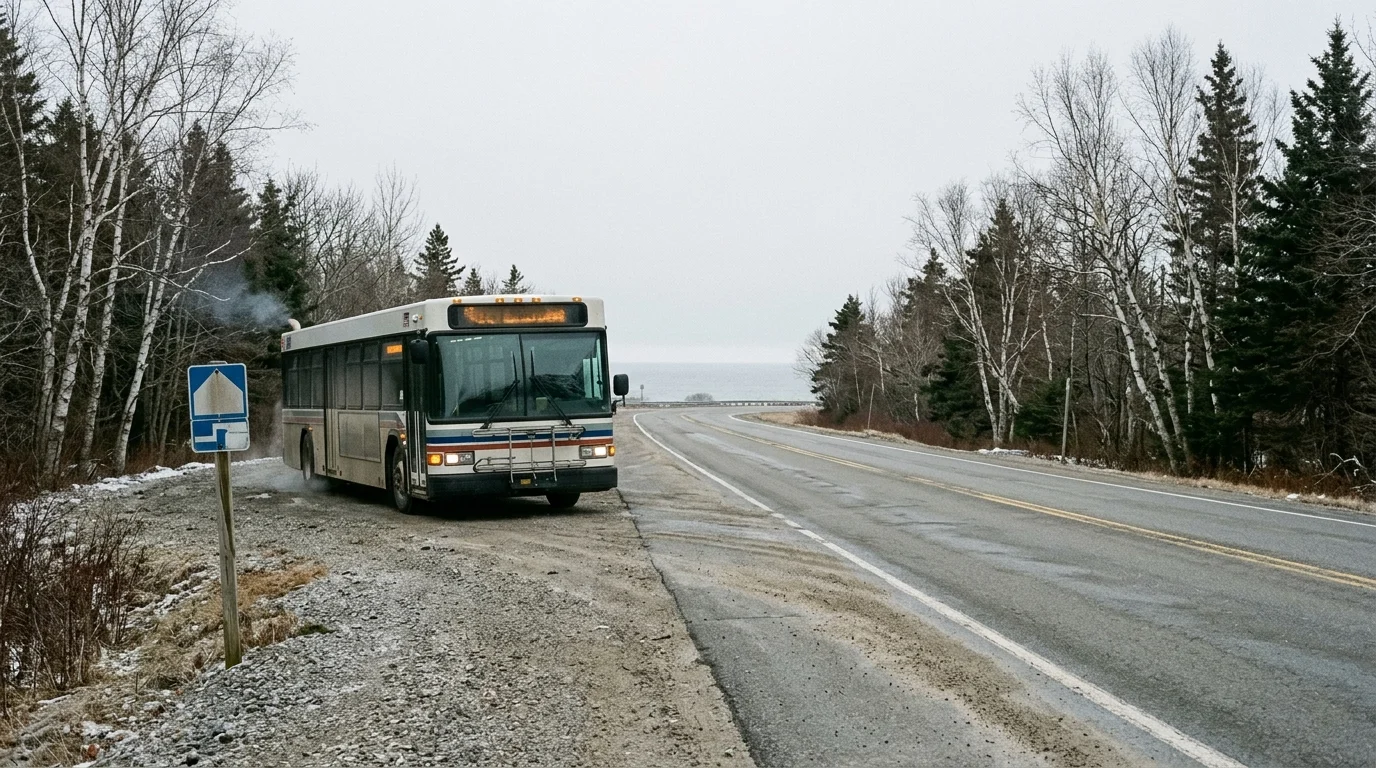
For the 32,400 Delawareans who board a DART bus on an average weekday, the near-term effects are mostly invisible. Preventive maintenance grants keep existing buses running; fleet rehabilitation extends vehicles that riders are already using. The battery-electric maintenance bay and the solar canopies will take months to build. What changes is the condition of the infrastructure underneath the service: aging buses get midlife overhauls instead of early retirement, a Dover facility gains the capacity to service zero-emission vehicles, and New Castle and Sussex County routes shed their oldest rolling stock.
The open question is whether the pace holds. The FTA's FY2025 and FY2026 award cycles created an unusually large single-window obligation for Delaware, but grant cycles are not guaranteed to repeat at the same scale or on the same timeline. DelDOT's next signal to watch is whether DTC submits for the FY2027 Low-or-No Emission round, and whether the Dover maintenance bay, once built, positions DART to absorb a larger electric-bus order than the four vehicles this cycle funded. The infrastructure is being laid for a fleet transition. The transition itself is still years away.