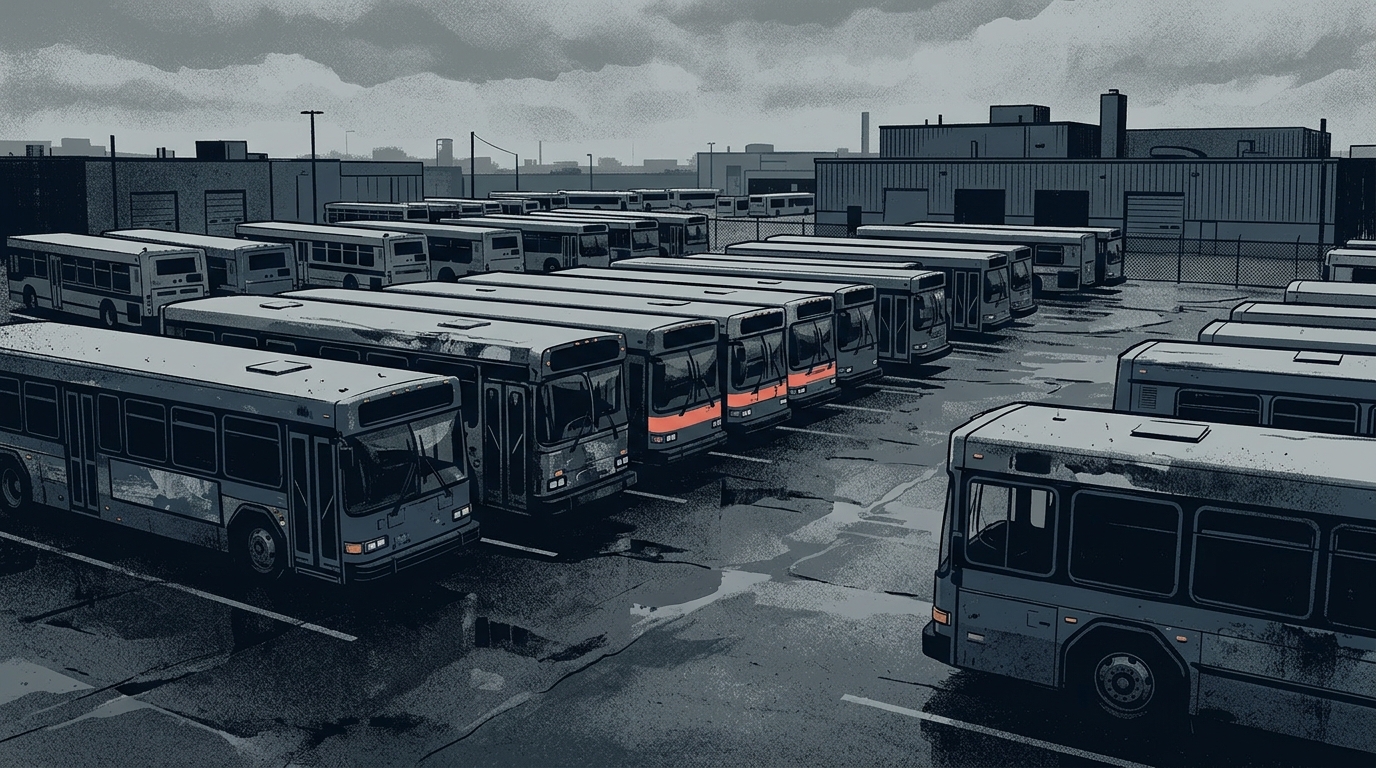
Iowa City, Iowa is replacing 16 buses that have outlived their useful life, drawing on an $8.7 million federal grant to keep its transit system running for roughly 75,000 residents and the University of Iowa's more than 55,000 students and employees.
The purchase covers 8 heavy-duty buses for fixed routes and 8 lighter paratransit vehicles that serve riders with disabilities, many of them connected to University of Iowa Hospitals and Clinics. Local taxes will cover the remaining $1.53 million of the $10.19 million total. All 16 vehicles are replacements, not additions to the fleet.
The paratransit service carries particular urgency: those vehicles fulfill a federal mandate under the Americans with Disabilities Act, and breakdowns or service gaps carry legal and practical consequences for the riders who depend on them most.
Notably, every bus in the order runs on diesel. Iowa City has set a 2030 carbon reduction target, and the same federal program funding this purchase also supports zero-emission vehicles. But Iowa winters, where sustained sub-zero temperatures can cut battery range by 30 to 40 percent, make the math on electric buses complicated. The cost of charging infrastructure adds another layer. The result is a pragmatic choice that may draw scrutiny from climate advocates in a city that has consistently prioritized sustainability goals.
Iowa City Transit operates alongside the University of Iowa's separate Cambus system, together handling transit demand more typical of a much larger metro area. State funding for transit has been limited under Iowa's Republican-controlled legislature, leaving federal grants as the primary source of capital investment. The funding flows from the FTA's Section 5339 program, which was roughly doubled by the 2021 Bipartisan Infrastructure Law to address a national backlog of aging transit vehicles. Nationally, the program is oversubscribed, meaning Iowa City competed against significant demand to secure this award.
Similar grants have funded fleet replacements across the country, including [Pueblo, Colorado's $15.7 million purchase](articles/pueblo-transit-gets-157m-to-replace-aging-buses-and-go-electric), which went fully electric, illustrating the range of choices transit agencies are making as they weigh practical constraints against climate commitments.
A procurement process for the vehicles is expected to follow now that the federal award is in place. How quickly riders notice the difference will depend on how soon new buses roll off the lot and onto Iowa City's streets.