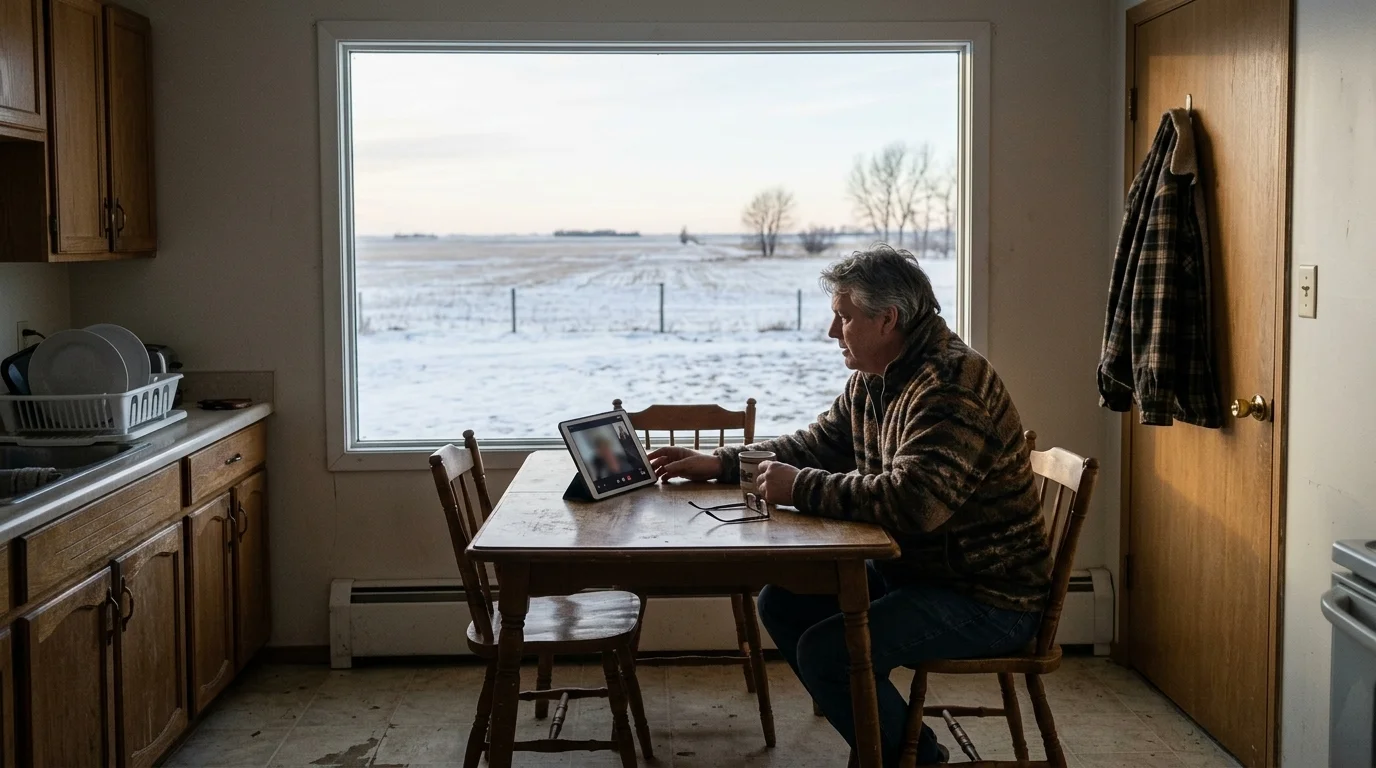
Saskatchewan is launching a virtual primary care program to serve the estimated 130,000 to 180,000 residents who have no family doctor, nurse practitioner, or regular care team, a gap that has pushed growing numbers of people into walk-in clinics and already-strained emergency rooms.
The province's fix is unconventional: rather than picking a single provider, it will pit multiple telemedicine companies against each other in a live pilot, evaluating them on patient outcomes, performance and cost-effectiveness. The company that performs best could win a long-term contract to run virtual primary care across all of Saskatchewan. The government posted the procurement on July 27, 2026.
The stakes are real. Saskatchewan, with about 1.2 million residents spread across an enormous geography, has fewer family doctors per capita than the national average. Rural communities face the sharpest shortages, and ER closures in small towns like Preeceville and Kerrobert have become a recurring political flashpoint. In Regina and Saskatoon, emergency wait times have repeatedly hit record highs in recent years.
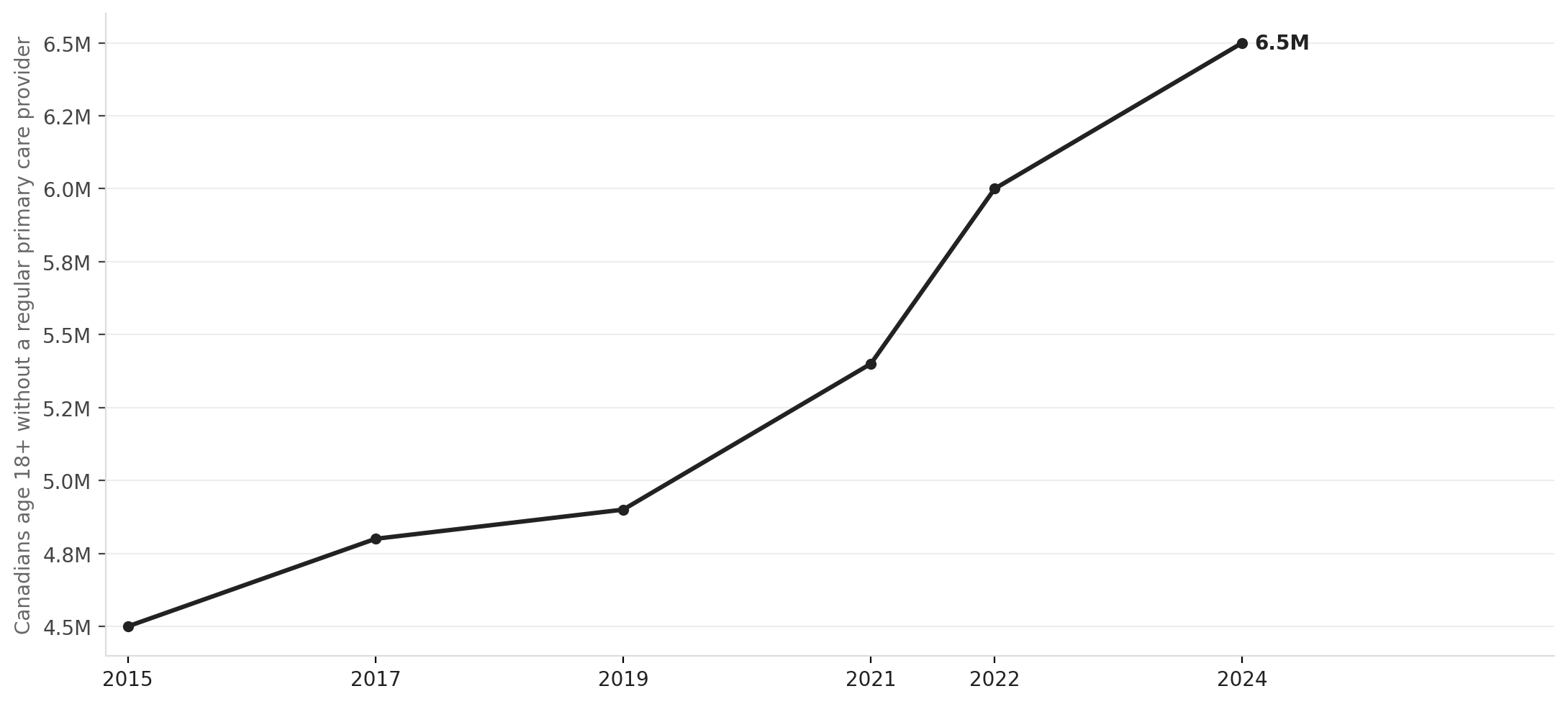
Source: NationGraph.
The roots of the shortage stretch back decades. Provincial governments across Canada cut medical school enrollment in the 1990s following a federal report warning of physician oversupply. That decision created a generational shortfall that has only deepened as baby boomers age and post-COVID burnout accelerates physician retirements. Saskatchewan's 2022 Health Human Resources Action Plan promised to recruit and train more providers, but attachment numbers have barely moved.
The virtual pilot is explicitly a bridge, meant to give unattached patients a digital medical home while the province keeps working on the underlying workforce problem. Similar models have been tried elsewhere: Nova Scotia's VirtualCareNS, launched in 2021 in partnership with telemedicine firm Maple, drew more than 150,000 registrants but also drew criticism from physicians who warned that virtual-only care can fragment treatment, particularly for patients with complex or chronic conditions.
Saskatchewan's Indigenous population, roughly 17% of residents, faces documented gaps in primary care access that virtual services may or may not reach, depending on how the program is designed and delivered.
Which companies enter the pilot, how many patients each will serve, and what the program will cost have not yet been disclosed. The competitive structure means the government is reserving judgment on all of those questions until it sees results.