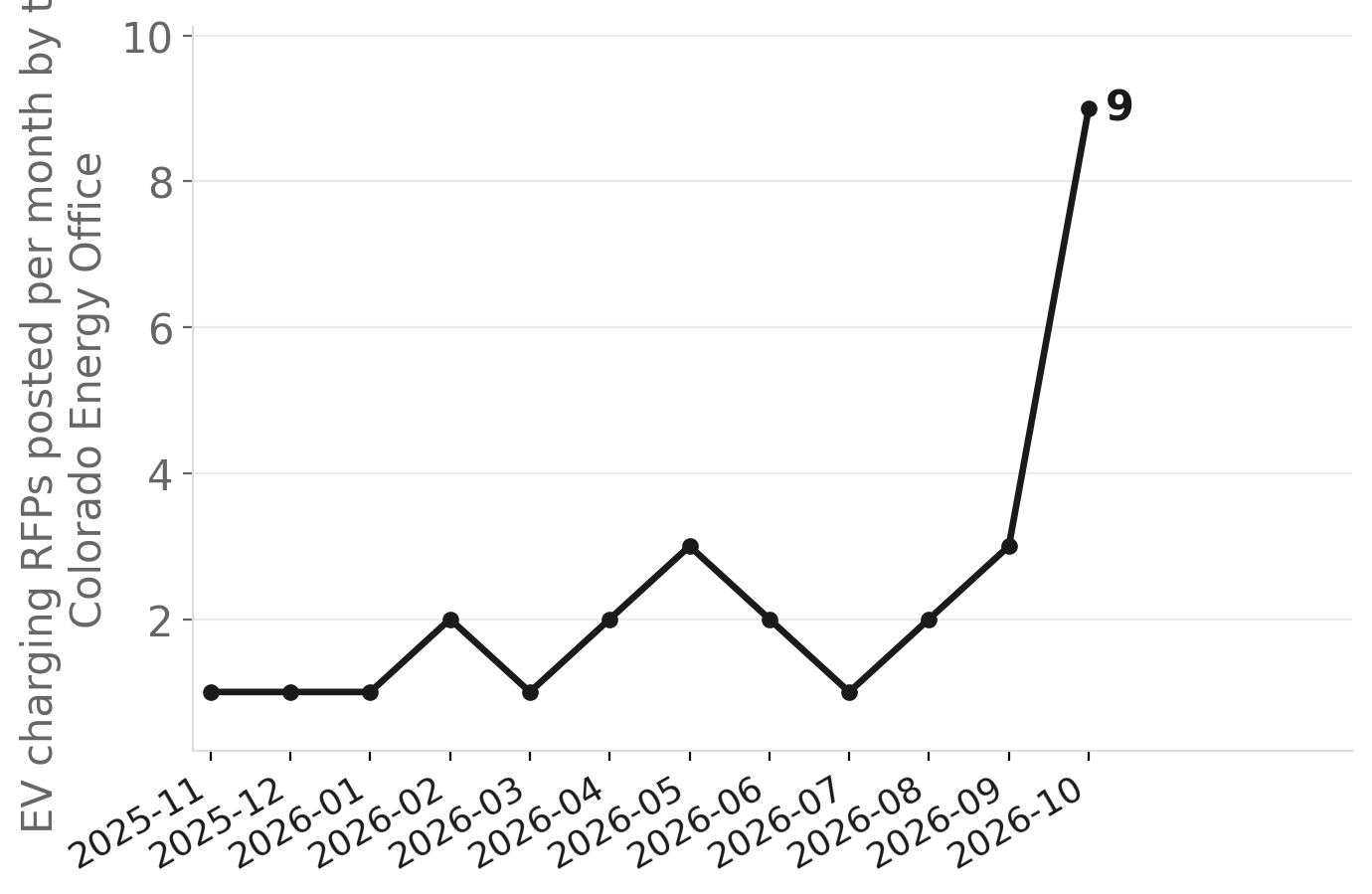
Nine EV charging solicitations from the Colorado Energy Office entered the state procurement database on October 25, 2026, nine times the monthly baseline of roughly one, at the same moment Colorado EV sales were falling 55.3% year over year. The state is not reacting to surging demand. It is trying to build its way ahead of the demand that isn't there yet.
The burst is a direct consequence of two deadlines colliding. A federal district court permanently barred the Trump administration's February 2025 freeze of NEVI Formula Program funds in January 2026, restoring Colorado's $57 million allocation after months in legal limbo. Colorado's revised state deployment plan was reapproved under new FHWA guidance issued in August 2025. That unlocked real money with real urgency: Congress clawed back approximately $879 million in unobligated NEVI funds in a February 2026 appropriations act, leaving states with a clear signal to obligate their remaining allocations or risk further rescission. At the same time, federal EV purchase tax credits under the Alternative Fuel Vehicle Refueling Property Credit expired September 30, 2026, removing a key demand-side subsidy. Colorado Energy Office Executive Director Will Toor has described the combination as "daunting federal hurdles." The state's answer is to accelerate on the supply side while the federal money is still available.
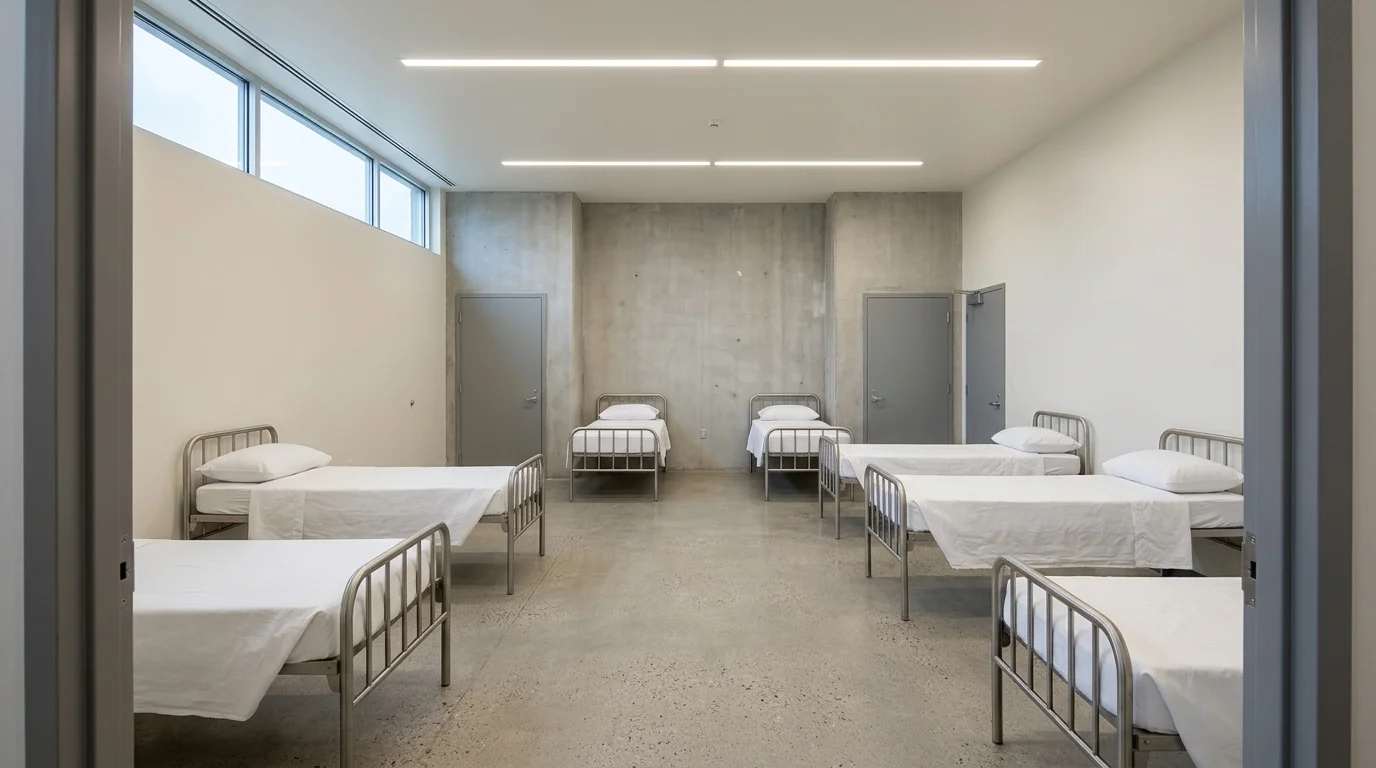
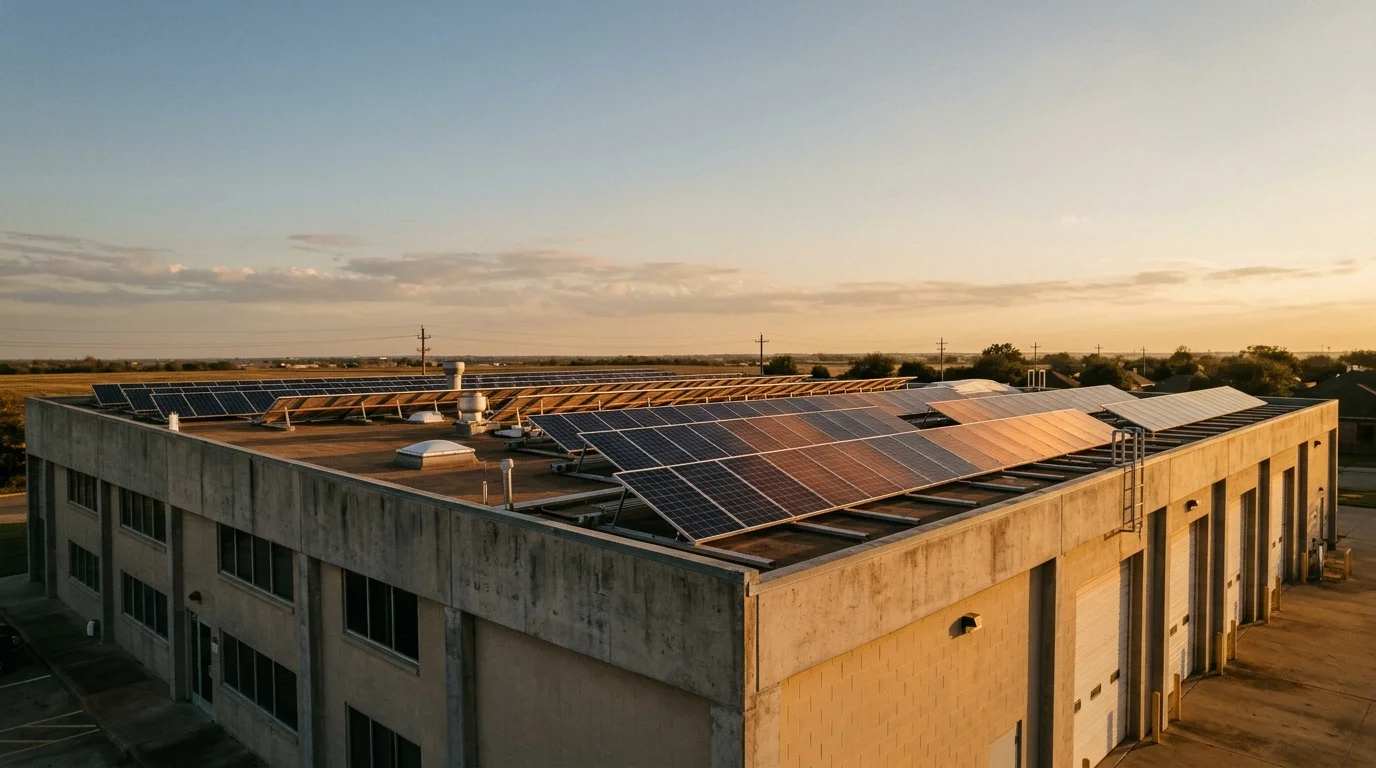
The October solicitations are not a single program. They span four distinct funding mechanisms, and understanding that breadth explains why the volume spike looks so large. NEVI federal dollars, flowing through FHWA to CDOT and CEO, cover up to 80% of project costs for fast-charging stations along federally designated highway corridors. The state's Community Access Enterprise, funded by a $0.28-per-transaction retail delivery fee, co-funds the same DCFC Plazas competitive grant program alongside NEVI and can backstop rounds independently when federal money is frozen, it is state money, not federal, even when it flows through the same CEO grant process. Charge Ahead Colorado and Fleet-ZERO are separate CEO competitive programs targeting community, multifamily, and fleet charging with different eligibility rules and no direct link to NEVI corridor requirements. The October batch touched all of them at once: five Recharge Colorado geographic sub-corridor awards, a multifamily housing EV charging request for information, an Affordable Public Charging Pilot coordinator role, a ReCharge Colorado Coach position, and a Colorado Department of Corrections solar-powered mobile charging station.
Source: NationGraph.
The DCFC Plazas program gives a concrete sense of the pace. On September 22, CEO and CDOT announced $23.2 million in DCFC Plaza awards covering 270 fast-charge ports at 35 locations, a 16% increase in Colorado's fast-charge network in a single grant round. A new DCFC Plazas round opened September 28 with roughly $14 million available, closing November 13. Cumulatively, CEO has disbursed approximately $71.8 million through DCFC Plazas for 795 fast-charging ports. The October RFP cluster is the solicitation layer that runs in parallel with those awards, lining up the next wave of contractors and coordinators before the funding window narrows further.
Colorado is unusually positioned to move this fast. Unlike most states, it integrated NEVI into its pre-existing DCFC Plazas competitive grant structure in 2023 rather than standing up a separate federal process, which means re-issuing solicitations when federal money unlocks is a matter of opening another round, not rebuilding an administrative apparatus. The NEVI freeze had already cost the state months, and Governor Polis personally joined the 20-state coalition that litigated to restore the funds. The Community Access Enterprise, created by state legislature specifically to backstop federal gaps, is now expected to generate roughly $310 million over its first decade from the retail delivery fee, a parallel track that keeps building even when Washington stops paying.
The demand picture is the uncomfortable context for all of this. Colorado's fast-charge network now covers 83% of the state highway system within 30 miles of a station, up from 40% in August 2020. The infrastructure buildout has worked, by that measure. But with purchase credits gone and EV sales down more than half, the state is adding charging capacity into a market that contracted sharply in the same quarter. CEO's stated goal of 940,000 light-duty EVs on Colorado roads by 2030 implies a dramatic demand recovery that the current sales trajectory does not yet support.
The next signal to watch is whether the November 13 DCFC Plazas round closes fully subscribed, and whether the October RFP cluster produces competitive bids at the volume CEO needs to obligate its remaining NEVI dollars before the next congressional appropriations cycle reopens the rescission question.