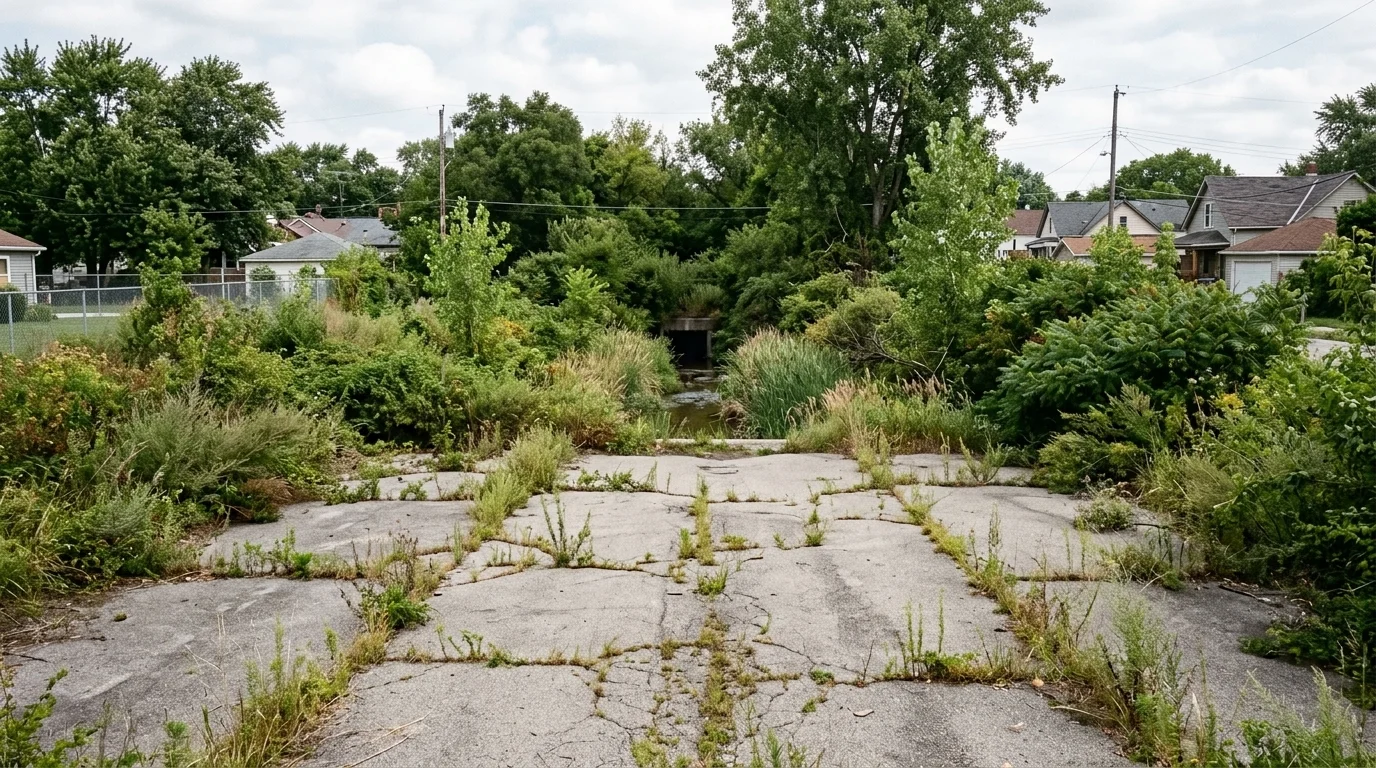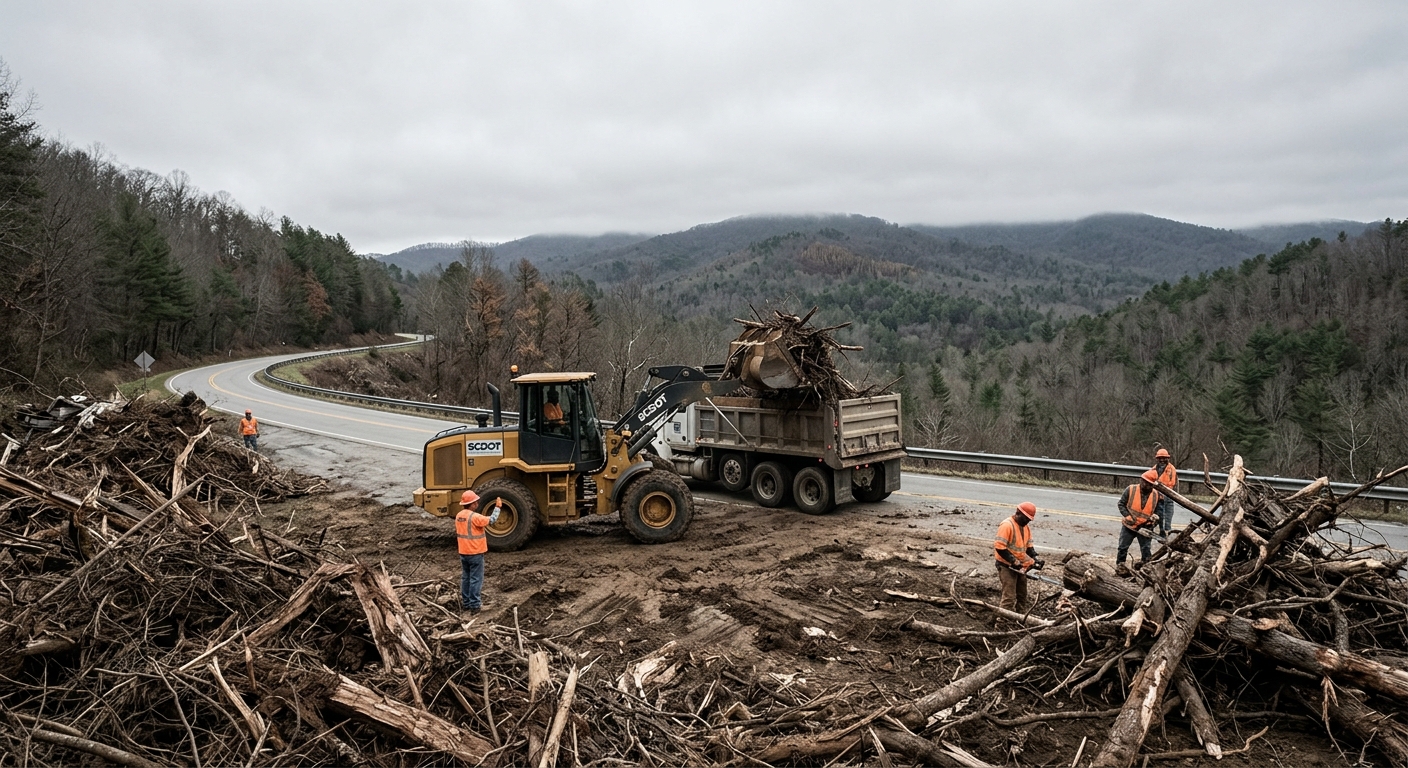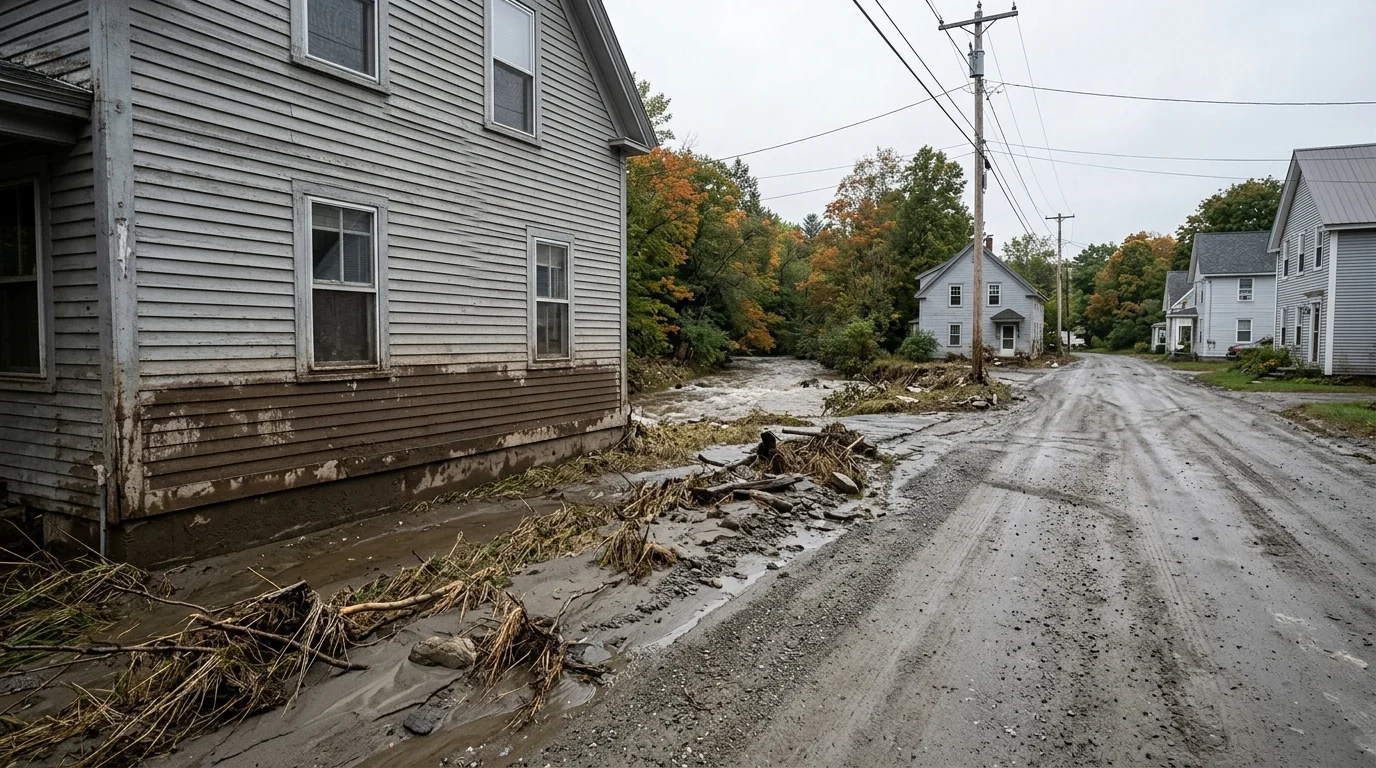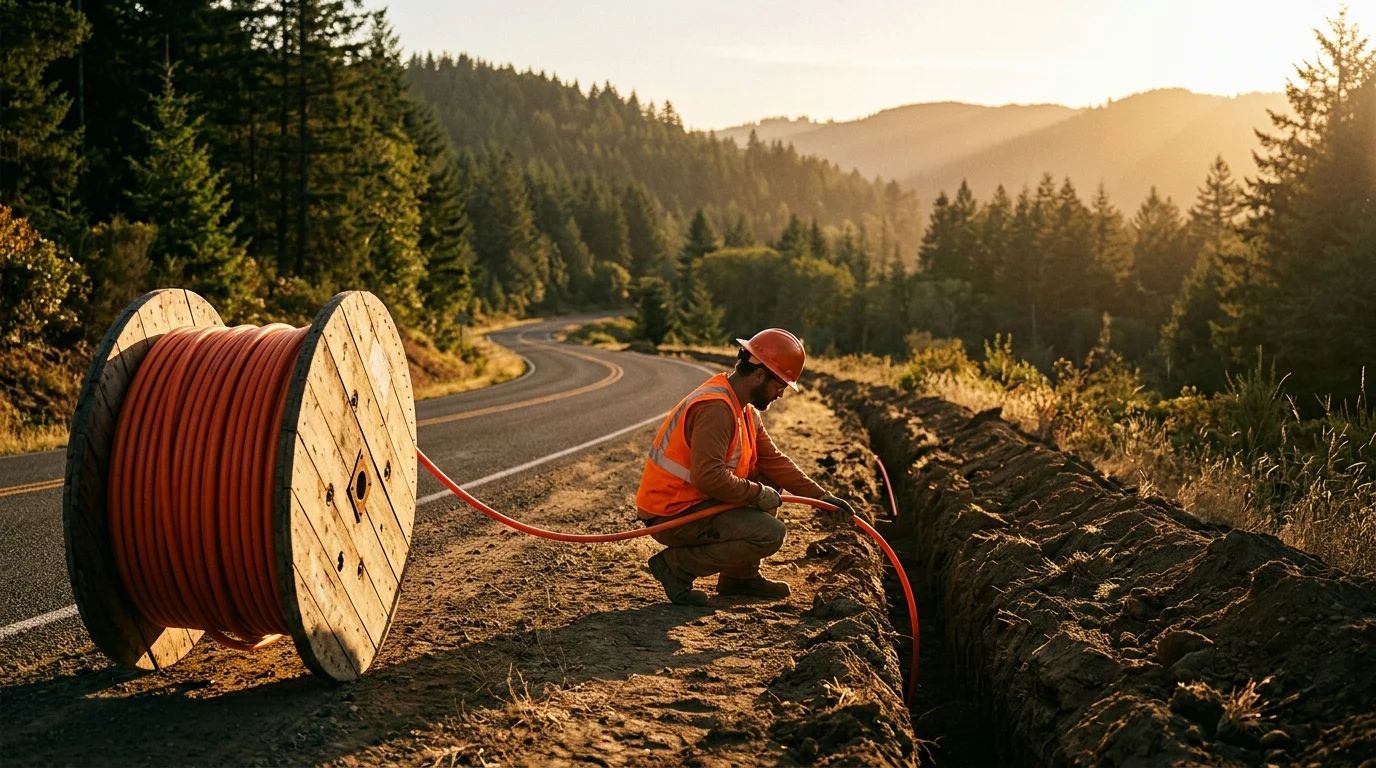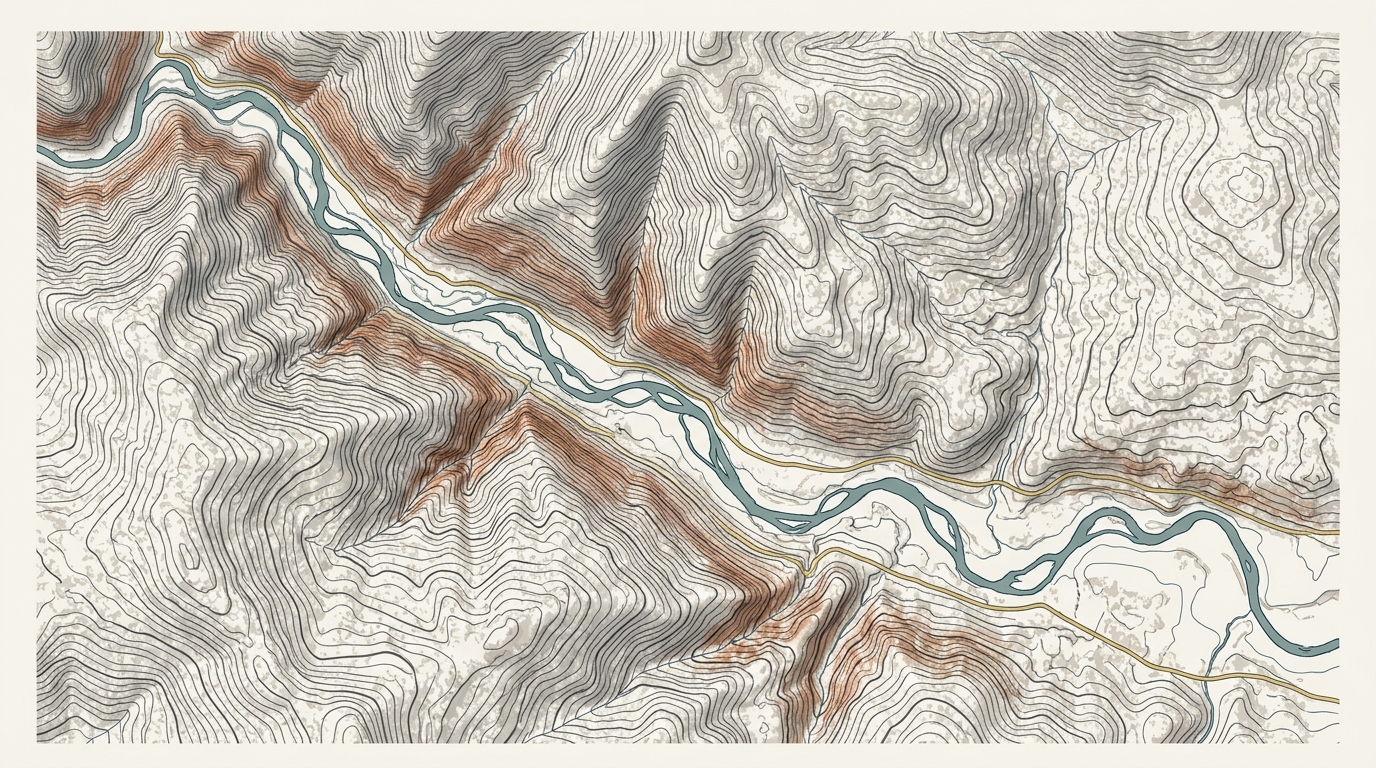
On Washington's Olympic Peninsula, two aging road culverts at Trout Creek have been blocking salmon and steelhead from reaching upstream spawning habitat. The federal government is now moving to fix them, part of a costly, court-ordered campaign to undo decades of road-building damage to Pacific Northwest fisheries.
The Federal Highway Administration is seeking a contractor to replace both culverts under a Federal Lands Access Program grant, which funds transportation infrastructure on or near federal land. Trout Creek sits in Jefferson County, home to portions of Olympic National Park and Olympic National Forest, and within critical habitat for multiple species listed under the Endangered Species Act, including Puget Sound Chinook salmon, Hood Canal summer chum, and bull trout.
The project is a small but direct result of a legal battle stretching back generations. In 2018, the U.S. Supreme Court upheld a landmark injunction requiring Washington state to replace hundreds of culverts that block fish migration. The ruling stemmed from a 2001 lawsuit brought by tribal nations asserting that fish-blocking culverts violated their treaty fishing rights, rights first affirmed by the 1974 Boldt Decision. The state now faces an estimated $3.5 billion statewide price tag to comply.
Culverts, the pipes that carry streams under roads, are among the most common and fixable obstacles salmon face. When undersized or poorly designed, they create waterfalls, high water velocities, or simply dead ends that fish cannot pass. On the Olympic Peninsula, where heavy rainfall means roads cross streams constantly, decades of timber and federal land access roads created hundreds of these barriers.
Federal investment has accelerated the work. The 2021 Bipartisan Infrastructure Law included $1 billion nationally for fish passage restoration, the largest single federal commitment to the issue, and FHWA's Federal Lands Access Program has funded numerous culvert replacements across the region.
Tribal nations with treaty rights in Jefferson County, including the Skokomish, Quinault, and Jamestown S'Klallam, have been central advocates for this work, with the stakes tied directly to fisheries their communities have depended on for centuries. Climate change is adding pressure: warming stream temperatures are already stressing salmon populations, making habitat connectivity more critical.
The solicitation posted to SAM.gov targets a likely summer or fall construction window, when stream flows on the Olympic Peninsula are at their lowest and work can proceed with minimal disruption to the stream. With contractor selection still ahead, the timeline for when Trout Creek salmon will finally have a clear path upstream remains to be confirmed.