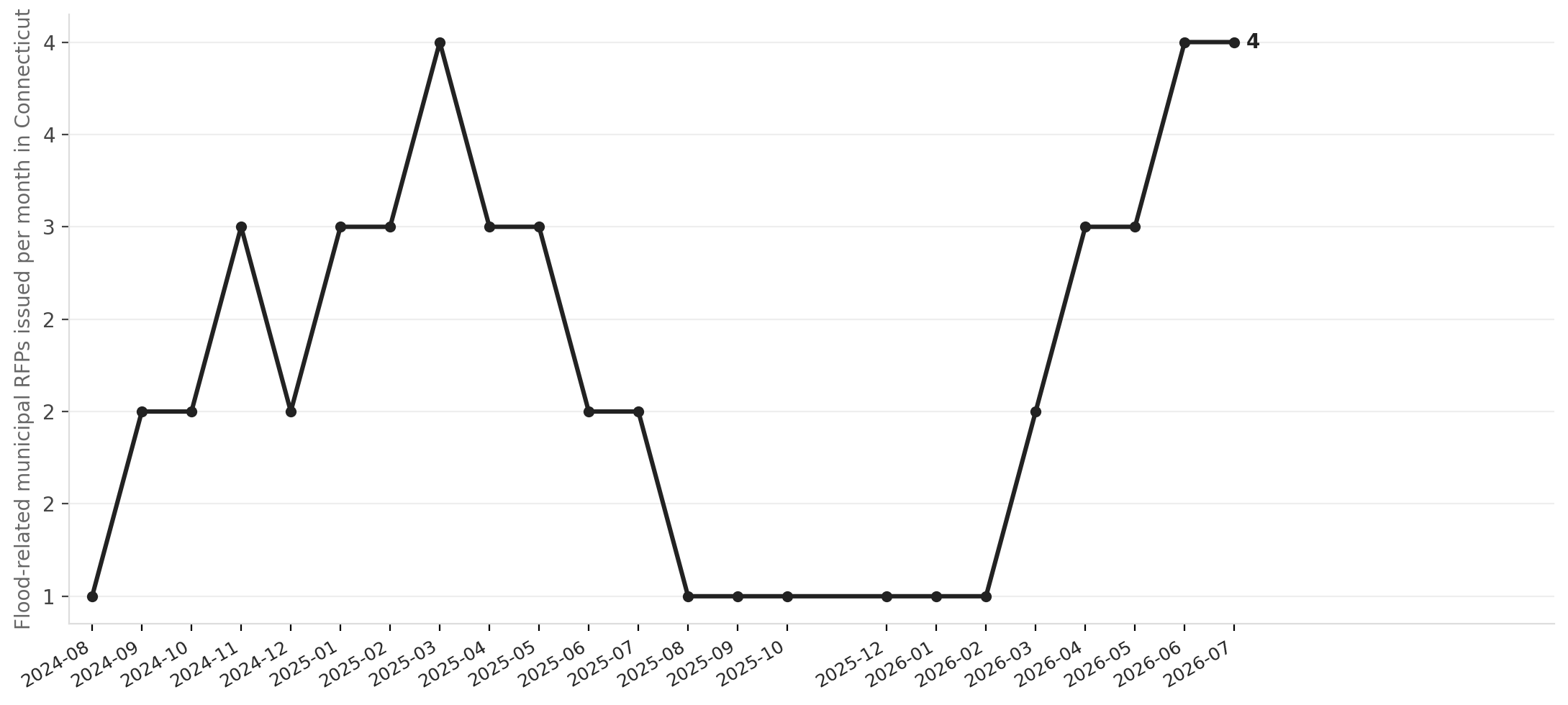
Flood-control RFPs from Connecticut municipalities have hit 8 in the last 30 days, against a 12-month monthly average of roughly 2.7, a threefold spike that marks the first systematic procurement wave in the state's recent history. The projects behind those bids are not new ideas. Most trace directly to the August 18-19, 2024 flash flood that killed three people, caused an estimated $300 million in damage across Fairfield, Litchfield, and New Haven counties, and was described at the time as a once-in-a-thousand-years event. The question is why the contracts are hitting the street now, in summer 2026. The answer is: this is exactly how long it takes disaster money to become shovels in the ground.
The funding chain that explains the timing starts with FEMA's Major Disaster Declaration DR-4820-CT, signed September 20, 2024, which authorized Public Assistance, Individual Assistance, and statewide Hazard Mitigation. A $20.4 million Public Assistance grant to the Connecticut Department of Emergency Services and Public Protection did not begin its performance period until March 2025; two Hazard Mitigation Grant Program tranches totaling roughly $6.8 million started in October 2024. Grant agreements, environmental reviews, engineering designs, and municipal procurement rules collectively consume the better part of a year before a single RFP can be legally advertised. The current 30-day surge, four bids posted in June, four more in the first ten days of July, falls almost exactly at the far end of that pipeline.
Governor Lamont's January 2025 comprehensive resiliency legislative package added pressure from a separate direction. The package gave municipalities new taxing authority for stormwater infrastructure, prohibited state funding of residential development in high-risk flood zones, and expanded the Department of Energy and Environmental Protection's coastal review powers. Lamont, citing the 2024 flood explicitly, said Connecticut was losing the battle against extreme weather. Senate President Martin Looney committed to passing the bill, after a similar version had died without a floor vote in 2024. DEEP then launched a second round of its Climate Resilience Fund in October 2025, the first round to include direct deployment funding for flood control construction, not just planning grants. That deadline created its own procurement clock for any municipality that wanted to compete.
Source: NationGraph.
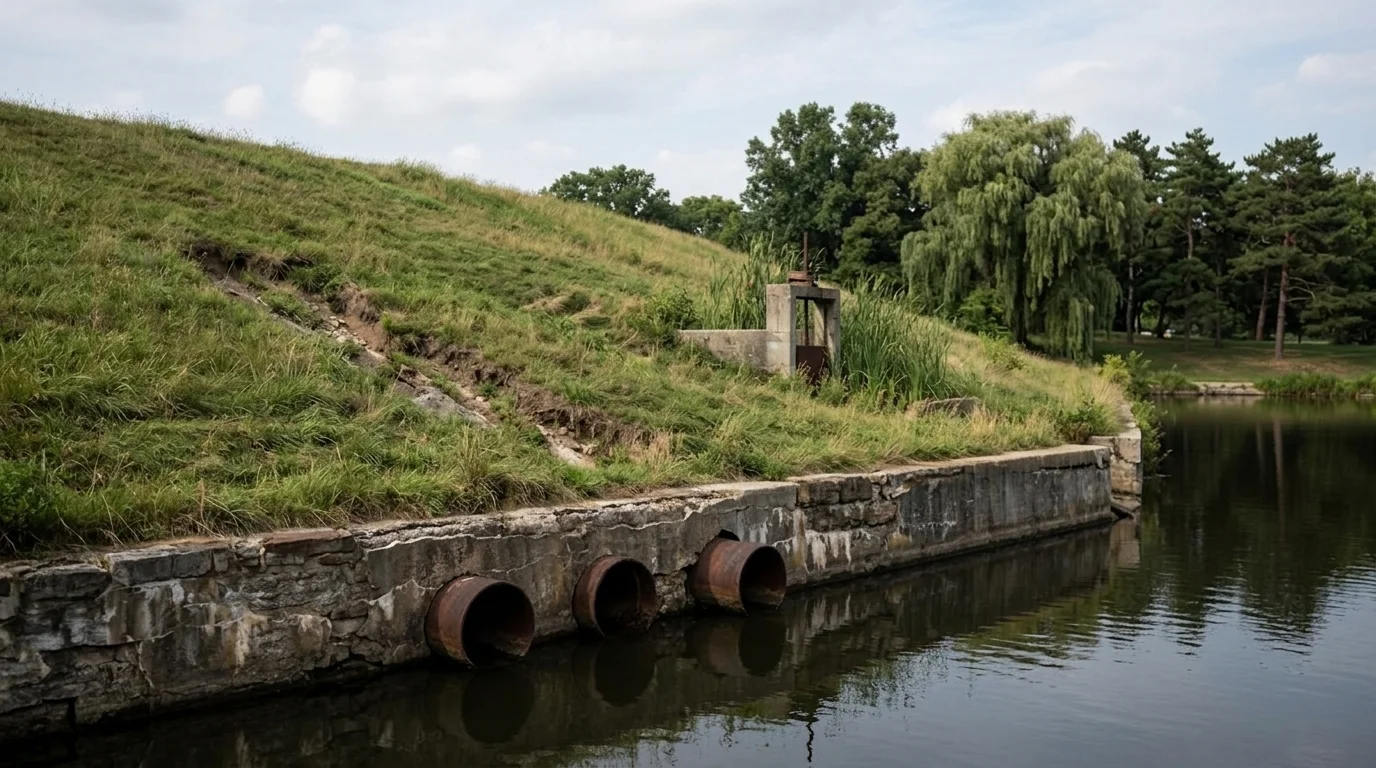
The RFPs that have appeared reflect both tracks. Oxford's bid explicitly names the August 18, 2024 flood as the damage event, seeking contractors for debris removal at river locations that have sat in disrepair for nearly two years while paperwork cleared. Fairfield's Rooster River flood mitigation project at Fairchild Wheeler Golf Course, reissued July 5, is an engineering-and-construction procurement in one of the three FEMA-declared counties. Madison's Neck River flood water diversion system rehabilitation is a similar construction-phase bid. The geographic spread, RFPs across Fairfield, Hartford, New Haven, New London, and western Connecticut, suggests the procurement wave is not isolated to the hardest-hit areas but is moving through any municipality that had a project ready when the money arrived.
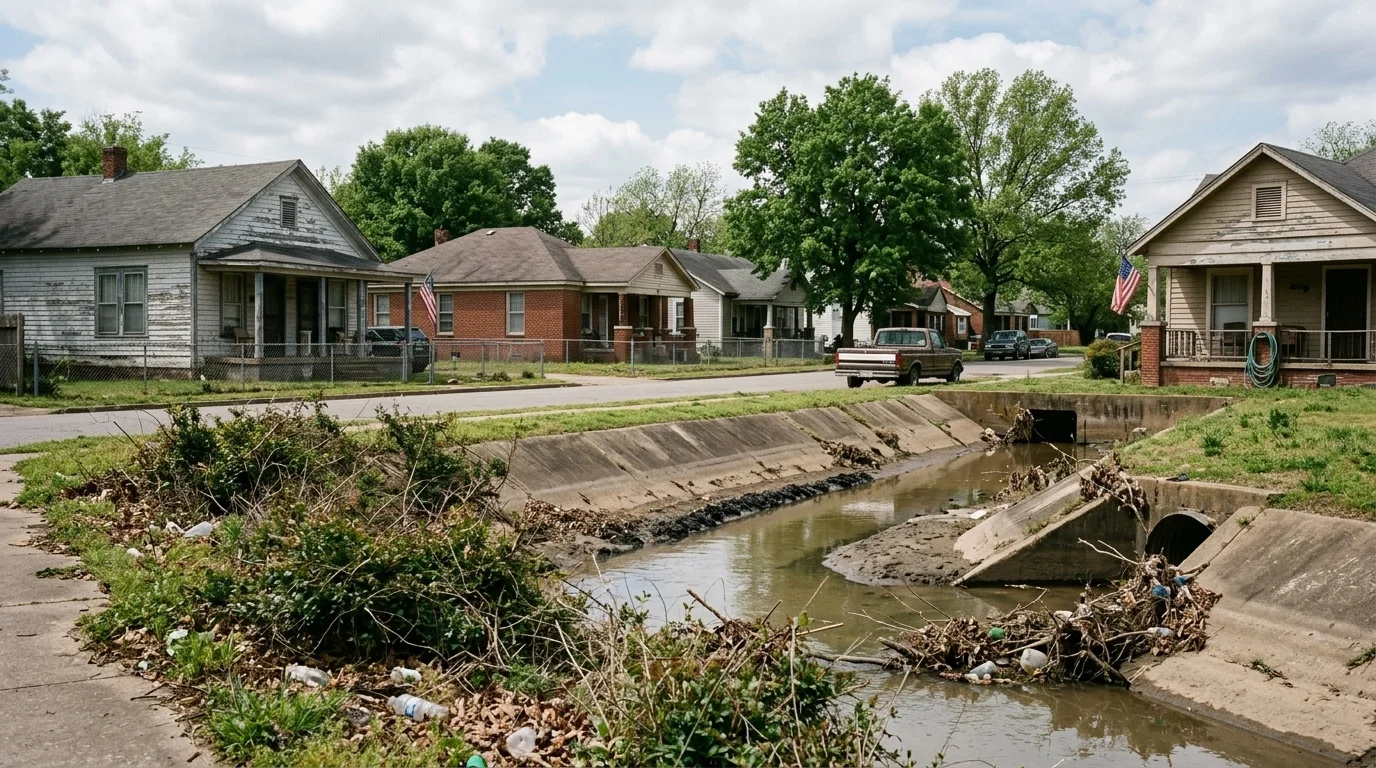
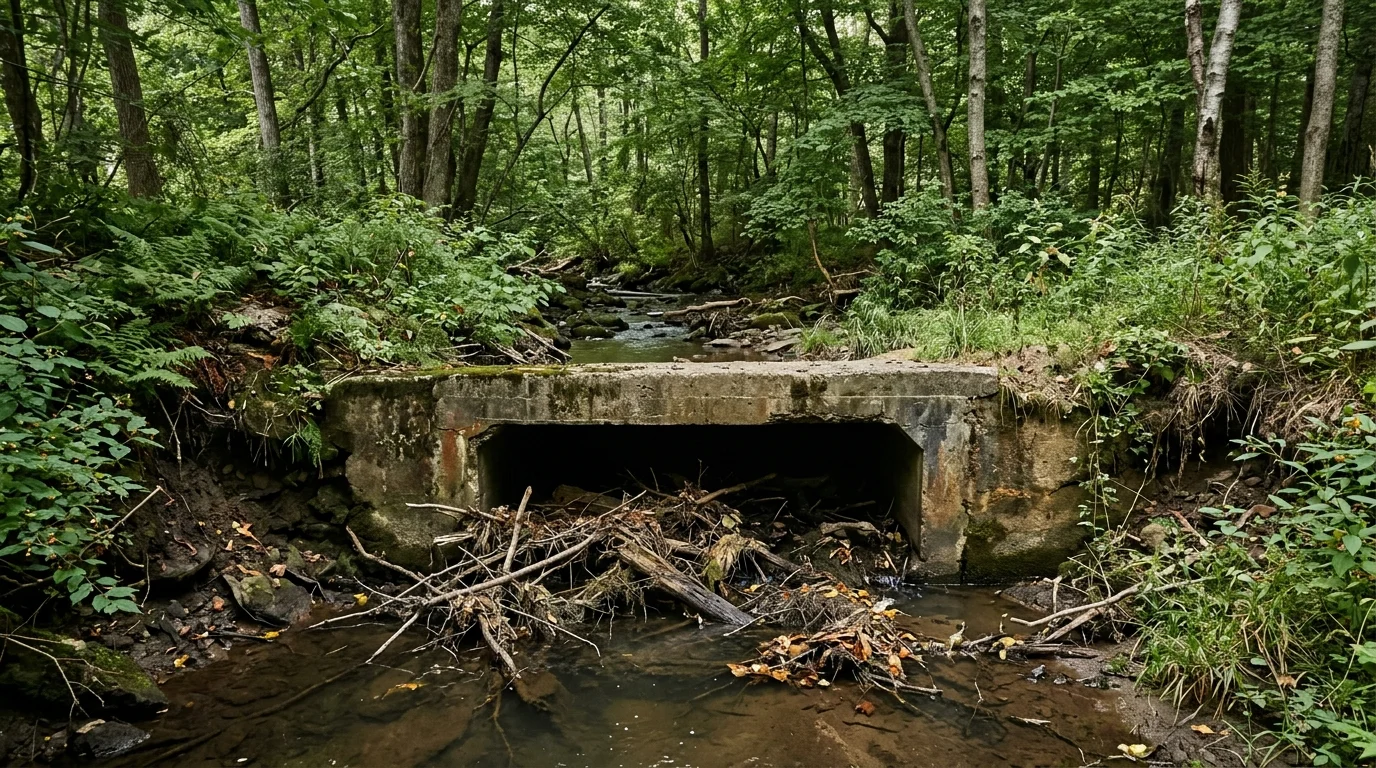
The context that makes this significant is what Connecticut lacked before August 2024. Unlike coastal states with established hurricane-hardening programs, the state had no dedicated flood infrastructure procurement pipeline. DEEP's post-disaster assessment identified aging culverts as a proximate cause of the flooding; the Naugatuck Valley Council of Governments had received $689,000 in the 2023 inaugural round of the Climate Resilience Fund specifically for culvert and drainage improvements in nine municipalities, a signal of the problem's scale. A Federal Reserve Bank of New York study found nearly one million properties across the Connecticut-New York-New Jersey region face high flood risk, placing the area in the same risk tier as coastal Florida and Louisiana, a comparison that would have seemed overstated before a thousand-year storm arrived on a Tuesday in August.
For residents in the affected counties, the practical meaning of the RFP surge is that construction on long-delayed projects should begin to appear in the coming months, assuming bids come in within budget and contracts are awarded on schedule. The $20.4 million Public Assistance grant runs through September 2026, which means some of that federal money carries a hard stop roughly 14 months from now. Municipalities that miss that window risk having to cover costs with local funds or forgo the work entirely.
The next signal to watch is how many of the current RFPs result in awarded contracts before the FEMA performance period closes, and whether DEEP's second-round Climate Resilience Fund announces its selections in time to push a second procurement wave before the 2026 hurricane season ends.