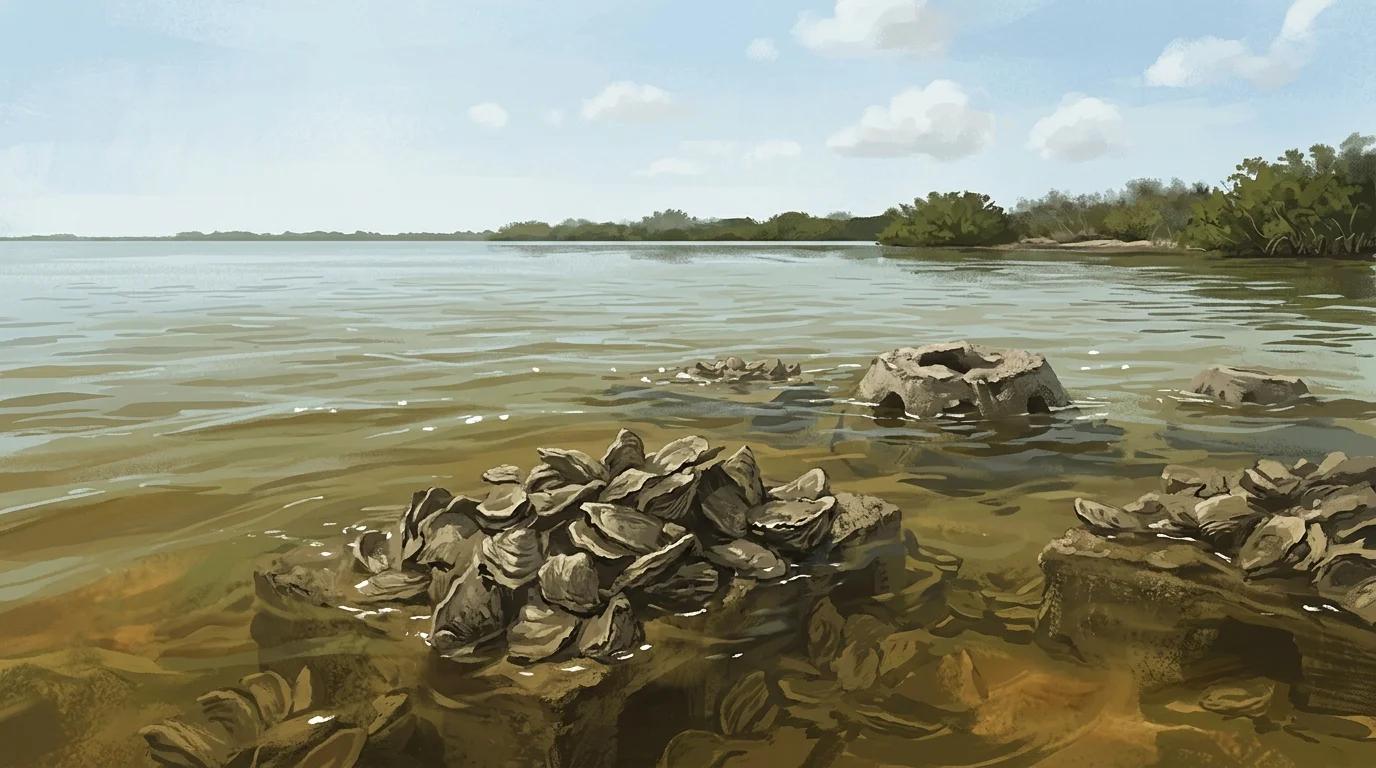
Manatee County, Florida is moving to rebuild oyster reefs in its coastal waters, betting on one of nature's most effective water filters to help reverse years of pollution damage to Tampa Bay and Sarasota Bay.
The county is seeking contractors for the construction project, which would involve placing reef substrate in county waters. The specific dollar value and acreage targeted haven't been disclosed in public documents, but the structure of the solicitation points to a concrete construction effort rather than a study or pilot program.
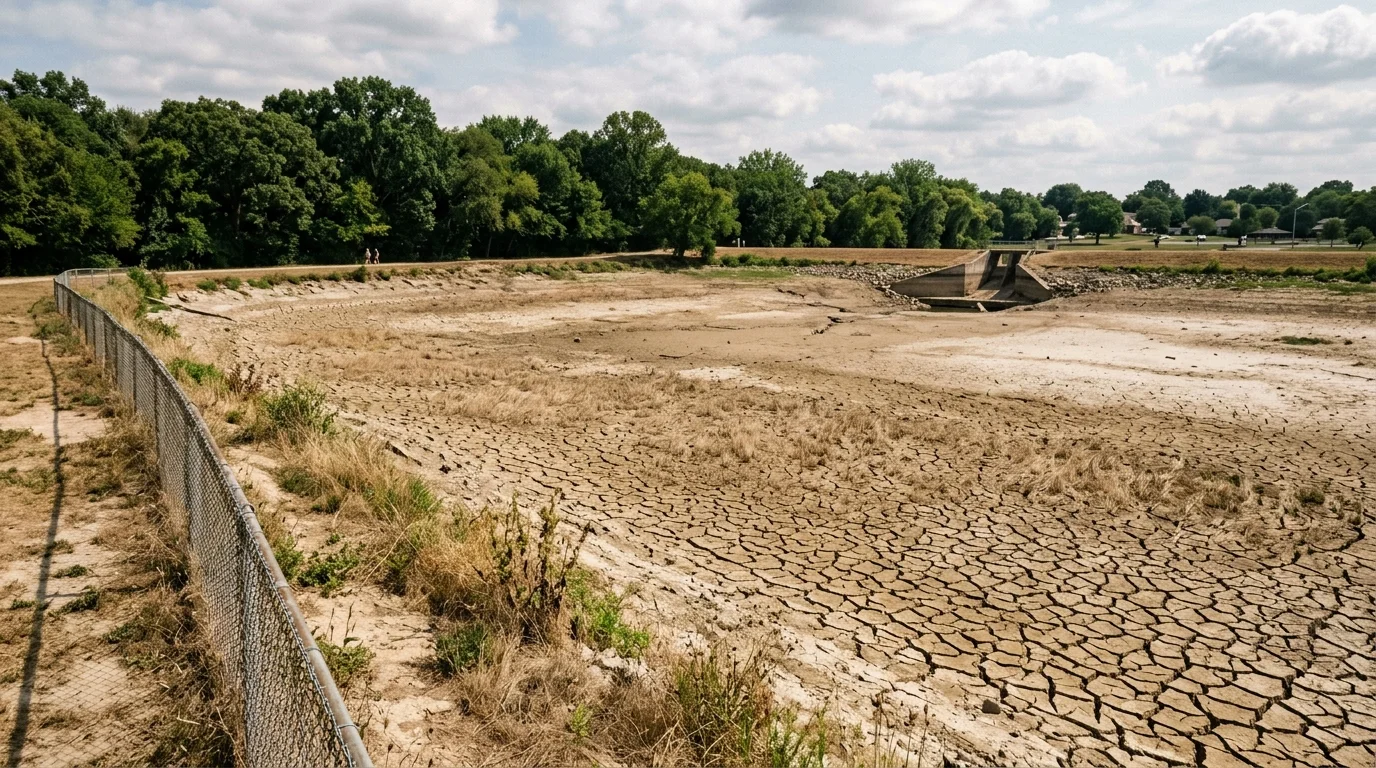
The timing reflects how far the county's waterways have fallen. In 2021, an emergency drainage of the Piney Point phosphate plant reservoir sent 215 million gallons of nutrient-laden wastewater into Port Manatee, fueling fish kills and red tide blooms along county beaches. That disaster came amid a longer decline: repeated red tide events, chronic seagrass die-offs, and runoff from one of Florida's fastest-growing counties have steadily degraded the estuaries that define the region.
Oysters are central to the recovery strategy because of what they do for free. A single adult oyster filters up to 50 gallons of water per day, stripping out the excess nitrogen and phosphorus that fuel algae blooms. Reefs also buffer coastlines from storm surge and erosion, a benefit that matters more each hurricane season.
Florida's oyster crisis has drawn national attention since the collapse of Apalachicola Bay, which once supplied 10% of the nation's oysters before overharvesting, drought and upstream water diversions essentially ended commercial oystering there by the early 2010s. That collapse prompted a federal fishery disaster declaration and, eventually, a five-year state harvest moratorium imposed in 2020. Funding for restoration has grown substantially since then, with the RESTORE Act and NOAA's Bipartisan Infrastructure Law allocations channeling hundreds of millions into Gulf habitat recovery.
Manatee County participates in both the Tampa Bay Estuary Program and the Sarasota Bay Estuary Program, which have made oyster reef construction a priority in their management plans. Community shell recycling programs run by groups like Tampa Bay Watch have kept the issue visible locally, and researchers at Mote Marine Laboratory have studied restoration techniques specific to these waters.
A contractor has not yet been selected. Once work begins, the reefs will take time to establish, but successful projects elsewhere in Tampa Bay have shown measurable water quality improvements within a few years.