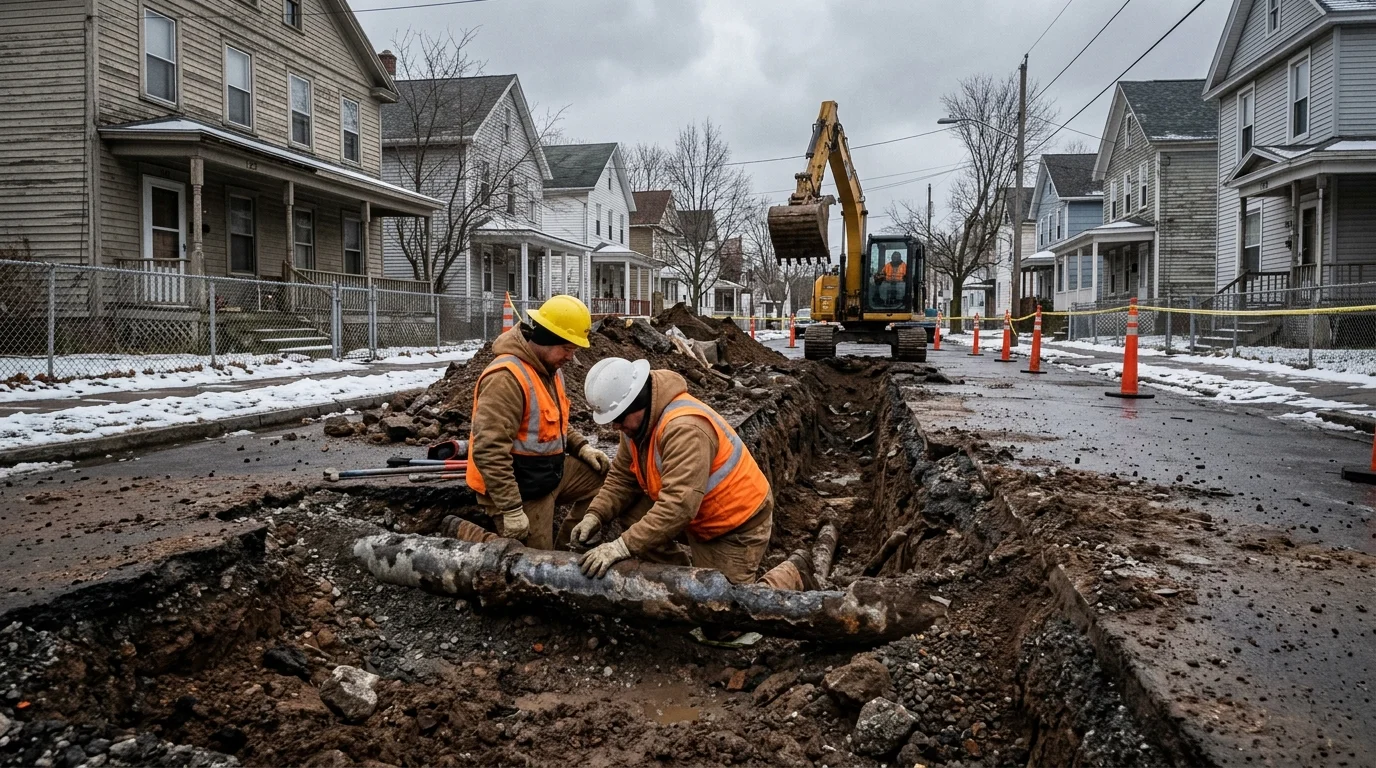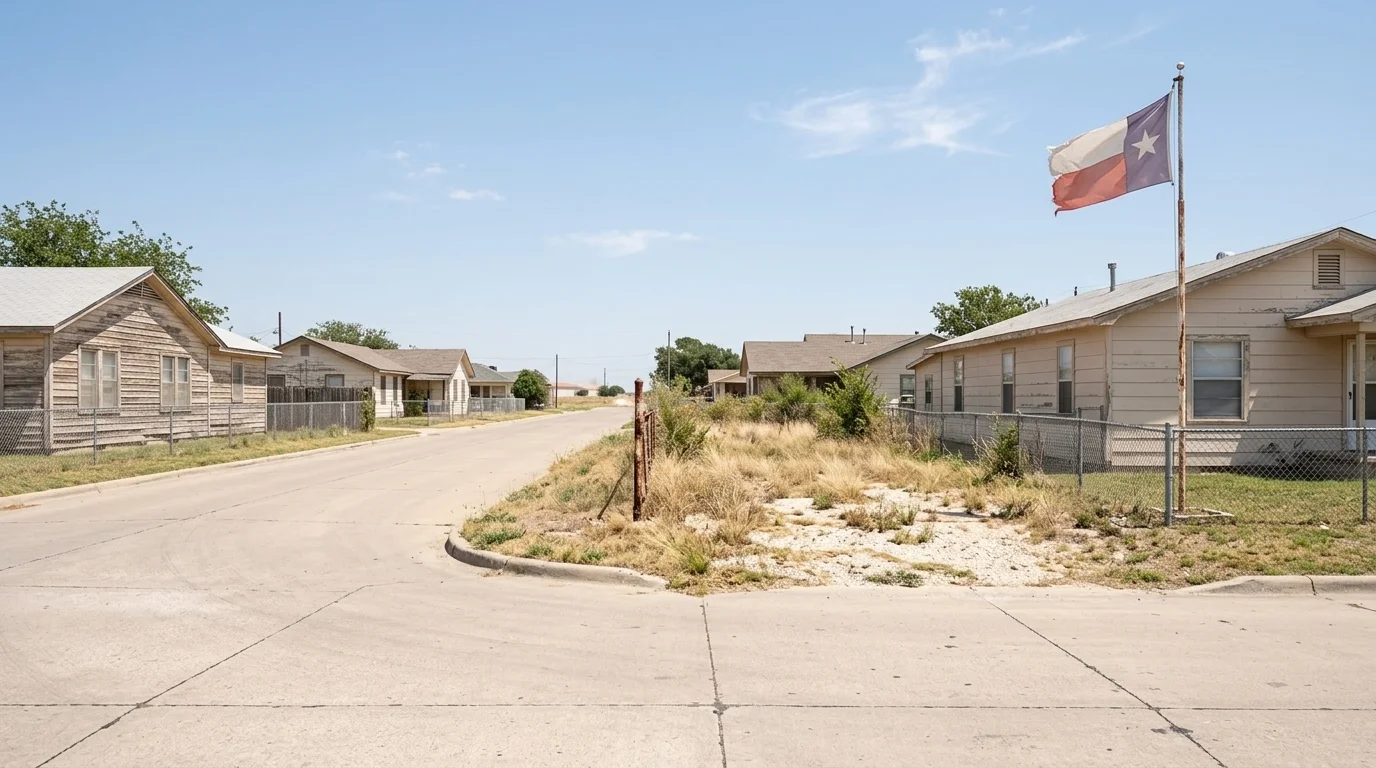
Twenty-four Texas institutions issued a housing RFP for the first time in over a year during the last 30 days, spread across 20 counties. That number matters less as a count than as a signal: these are not cities that have been building steadily. They are cities that went quiet, and are now, simultaneously, waking up.
The simultaneity is not a coincidence. Three forces converged within months of each other, and the procurement wave is the result.
The first force was legislative. On August 18, 2025, Governor Abbott signed a package of housing reform bills, SB 15, SB 840, HB 24, and SB 2477, effective September 1, 2025. The package is the most sweeping Texas housing reform in decades: smaller lots legalized statewide, residential development permitted by right in commercial zones, the neighbor-petition threshold to block a project raised from 20 percent to 60 percent, and a fast track created for office-to-housing conversions. Pew Charitable Trusts' housing director Alex Horowitz said the legislation "will go a long way toward tackling Texas' housing shortage." For the 900-plus Texas municipalities now navigating those new zoning rules, the September 1 effective date created an immediate need for planning and compliance services, and, for many, a first procurement in years.
The second force was a deadline embedded in HB 21, signed May 28, 2025. That law restructured Housing Finance Corporations, requiring that half of units serve income-restricted tenants and mandating local government approval by January 1, 2027, or the corporation loses its property tax exemption. That deadline is close enough to be real and far enough away that housing authorities can still make it, but only if they find development partners now. The New Braunfels City Housing Authority seeking a mixed-income redevelopment partner and the Galveston Housing Authority re-bidding banking services are consistent with exactly this pressure: institutions that know they need a contract in place before the clock runs out.
The third force was federal money with a spend-down clock. TxCDBG's 2026-2027 grant agreements activated February 1, 2026, pushing Community Development Block Grant dollars to non-entitlement cities, those under 50,000 residents that are ineligible for direct HUD entitlement funding and have no standing housing procurement infrastructure. The county spread in the current RFP wave (Brazos, Webb, Nueces, Comal, Navarro, Palo Pinto, Willacy, among others) is notably non-metropolitan. Cass County issuing a new housing construction RFP and the City of Bryan seeking Community Housing Development Organization partners for HOME Investment Partnerships set-aside funding both fit this profile: smaller jurisdictions entering the housing investment market, in some cases for the first time in a policy cycle.
Sitting beneath all of this is a balance-sheet problem. Texas carries an active HUD grant portfolio of 4,474 grants totaling $3.32 billion in obligations, with only $1.55 billion outlayed. Roughly $1.77 billion in already-committed federal housing dollars has not yet left federal accounts. That unspent balance creates its own pressure: grant agreements have performance benchmarks, and jurisdictions that fail to procure and spend risk clawbacks or reduced future awards.
The City of Houston procuring CHDO single-family development for 2026 and Navarro College seeking student housing custodial services represent the range of institutions now in motion. They share almost nothing in scale or mission. What they share is the calendar: a reform package that took effect six months ago, a federal grant cycle that activated two months ago, and a statutory deadline arriving in eighteen months.
For Texans in smaller cities, the practical meaning is more immediate than any of those policy levers suggest. Communities that have not built or rehabbed housing stock in years are now actively seeking contractors, CHDO partners, and development firms. For residents watching rents climb, the Texas Comptroller reported in October 2024 that housing affordability had hit its lowest level since 1985, and nine in ten Texans say affordability is a problem in their community, the procurement wave is the upstream event that determines whether any of the Legislature's reforms produce actual units.
The next signal to watch is whether this wave sustains through summer 2026. The TxCDBG spend-down clock runs hard through the end of the grant cycle, and the HB 21 local-approval deadline falls January 1, 2027. If awards follow these RFPs on schedule, a second wave of construction and development contracts should appear before year-end. If the RFPs close without awards, that will tell a different story about implementation capacity in non-entitlement Texas.