Florida has issued five EV charging RFPs in the past 30 days, more than three times its trailing 12-month average of roughly 1.6 per month, with all five hitting procurement databases within a single week in mid-June 2026. The number looks like momentum. The calendar explains it better.
Three deadlines converged in the same month. The federal 30C commercial EV charging tax credit, worth up to $100,000 per installed port, expires June 30, 2026. A January 30 federal court ruling in Washington v. U.S. Department of Transportation permanently restored state access to NEVI funds that the Trump administration had frozen in early 2025, triggering a procurement reboot across states that had been waiting out the legal fight. And Florida's $198 million NEVI allocation, five years of federal charging infrastructure money, remains entirely undeployed, putting it among the most lagging large states in the country at the precise moment Congress has signaled it may redirect unobligated funds.
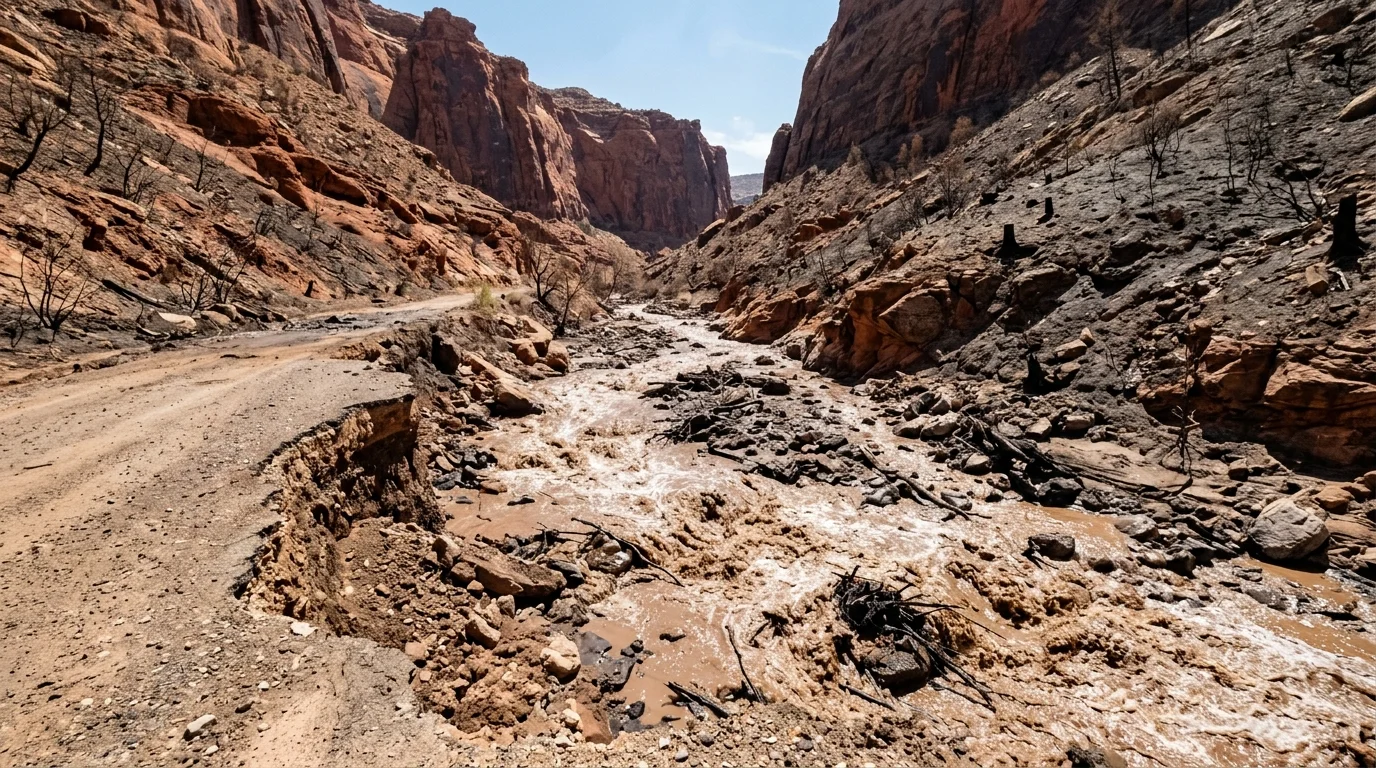
The result is a procurement scramble that reflects pressure, not planning.
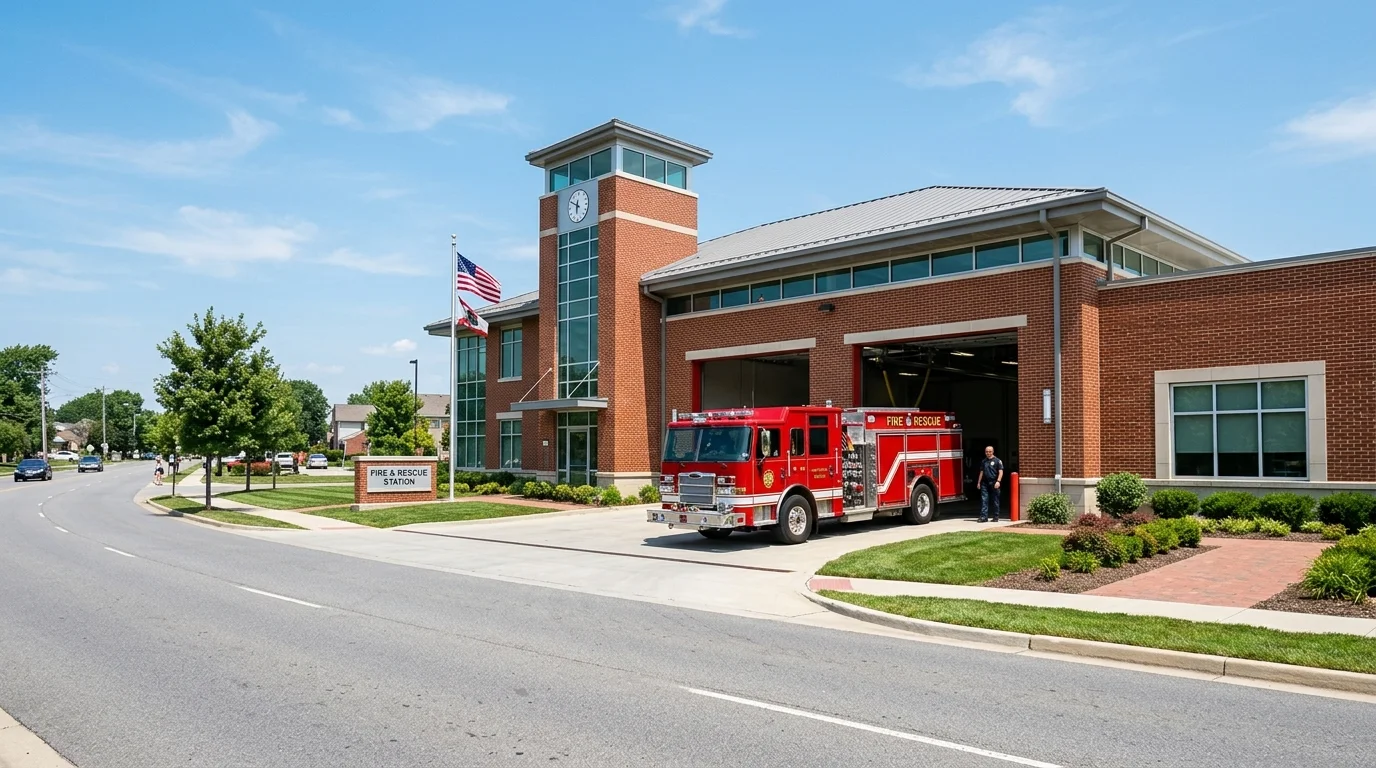
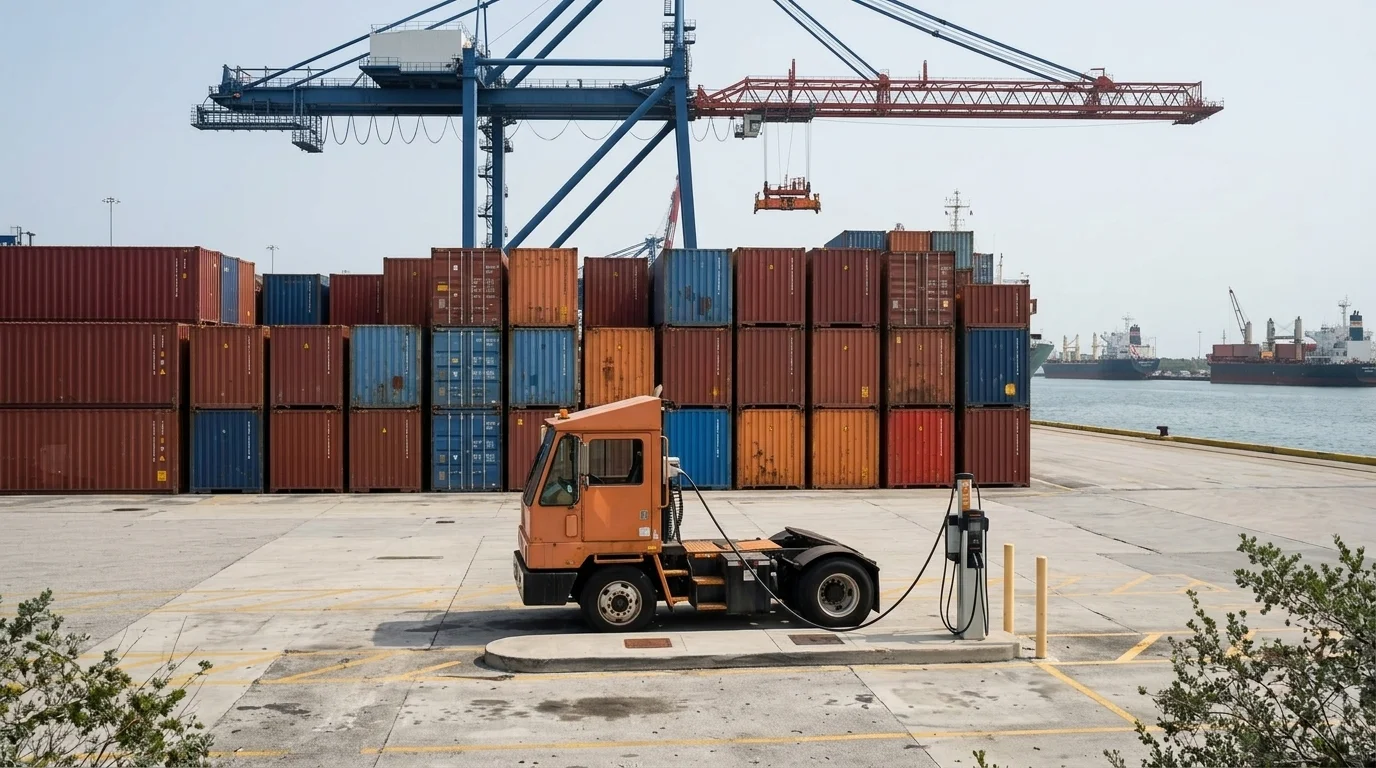
The five RFPs span Florida's geography and infrastructure types in ways that show how broad the delayed demand actually is. The City of Clermont is seeking a turnkey public charging program with a revenue-sharing component at city-owned locations. Orlando Utilities Commission is procuring a 250-kilowatt microgrid-integrated DC fast charger, a configuration OUC has publicly tied to grid resilience and hurricane backup power, not just everyday EV use. The City of Gainesville issued an EV-ready bus transfer facility RFP. And FDOT's Seminole County office is building truck parking infrastructure with EV and shore power pre-wiring, a signal that heavy-duty freight electrification along the I-4 corridor is moving from concept to concrete.
The OUC project is worth pausing on. OUC executive Paul Brooker has framed the utility's EV charging push explicitly around grid stability, the idea that bidirectional EV infrastructure doubles as emergency power during storms. Florida has more than 200,000 registered EVs, second in the nation, and roughly 9,000 public charging ports. That ratio is a structural supply gap, and it sits inside a state with one of the most active hurricane exposure profiles in the country. The microgrid angle isn't incidental; it's the utility making the resilience case to justify accelerated capital deployment.
Florida's broader federal EV grant portfolio, approximately $72.8 million across 11 active grants, illustrates how much of the state's charging infrastructure has been built on project-specific federal awards rather than the systematic corridor buildout NEVI was designed to fund. Miami-Dade County holds the largest single grant at $25.6 million for freight and highway electrification through 2029. Tallahassee has a $20.4 million low- and no-emission bus program running through 2033. Two EPA Clean Heavy-Duty Vehicle grants totaling nearly $15 million are funding school bus electrification in Duval and Miami-Dade counties. These are meaningful commitments, but they are point investments, not a network.
NEVI was supposed to be the network. The program allocates funds specifically for DC fast chargers along designated alternative fuel corridors, placed at intervals designed to eliminate range anxiety on interstate routes. Florida's NEVI program page shows the state has submitted its FY2026 plan, but as of early 2026 it had implemented none of its previously obligated funds, a gap that is harder to explain given that the NEVI program launched in 2022 and Florida has been eligible throughout. The February 2025 federal budget resolution that cut roughly $500 million from NEVI nationally has made the urgency to obligate remaining funds more acute: money that isn't locked into contracts is money that can be redirected.
The 30C tax credit expiration adds a separate layer of pressure for local governments and utilities acting outside the NEVI framework. The credit covers up to 30 percent of qualified charging equipment costs, capped at $100,000 per port. For a municipality installing a multi-port fast charging site, that math matters. Procurements initiated before June 30 can still capture the credit on equipment placed in service during the applicable window; procurements that slip into July cannot. That is a real dollar figure, not an abstraction, and it explains why five RFPs landed in a single week rather than trickling out across the summer.
What this means for Floridians is less straightforward than the procurement numbers suggest. RFPs are not charging stations. The gap between issuing a solicitation and energizing a port runs anywhere from six months to two years depending on permitting, grid interconnection, and equipment lead times. The five RFPs issued this month will not produce charging infrastructure before the 2026 hurricane season. They may not produce it before the 2027 one.
The signal to watch is whether FDOT follows the municipal sprint with actual NEVI contract obligations. The state has the money, the court ruling has removed the legal uncertainty, and the congressional risk of clawback makes delay costly. If Florida's NEVI funds remain unobligated by the end of the third quarter, the question stops being about deadlines and starts being about whether the state has the administrative capacity to move at the speed the program now requires.